


- Lior mor
- •
- 6 Min Read
- •
- 1 hour ago
Key Points
- Semiconductor momentum cools in 2026 after years of AI-driven gains
- SOXX offers capped exposure to reduce concentration risk
- SMH’s heavy weighting in Nvidia and TSMC raises volatility concerns.
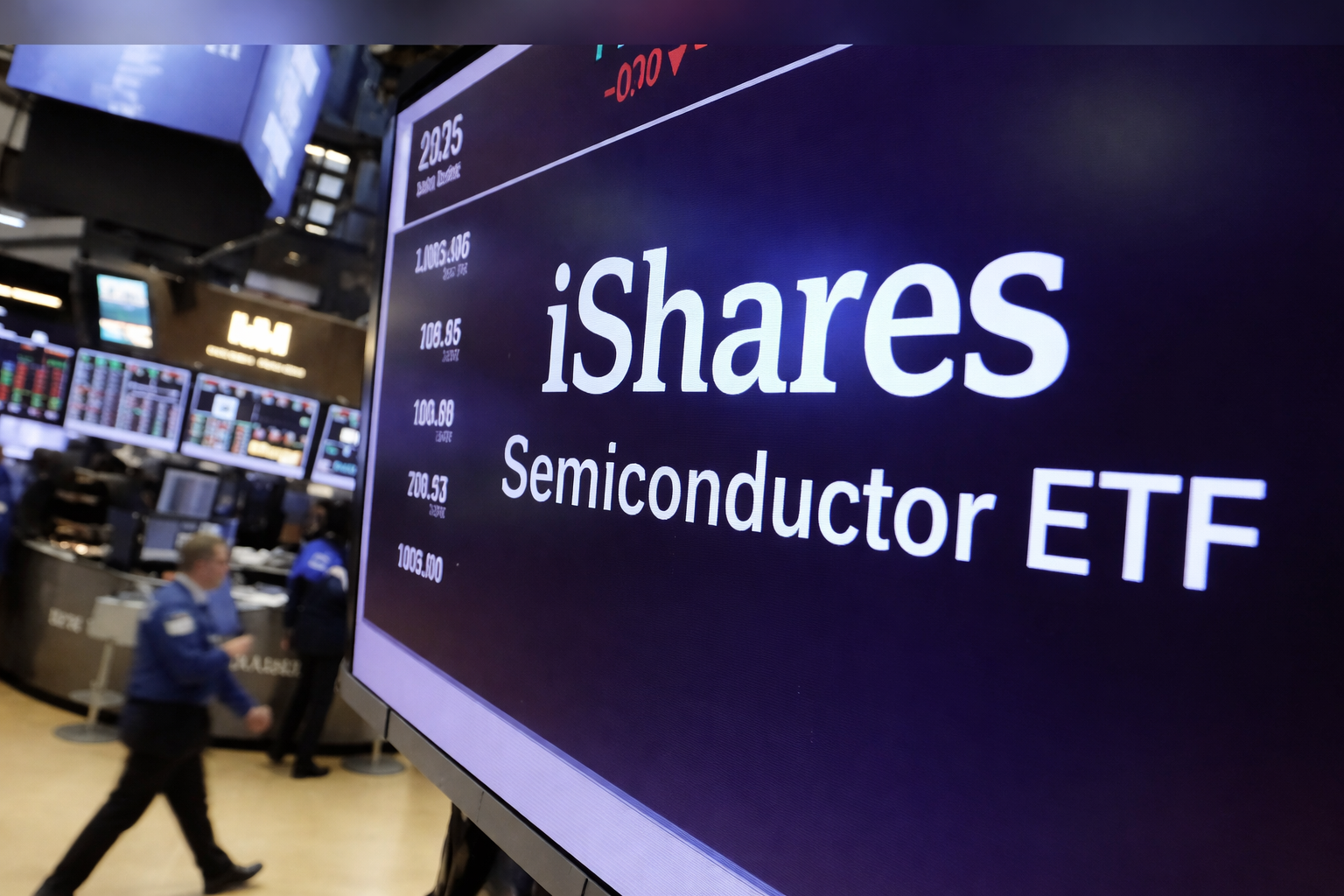
After several years of outsized gains fueled by artificial intelligence and data center expansion, semiconductor stocks are facing a more nuanced environment in 2026. Valuations remain elevated, capital spending on AI infrastructure is under scrutiny, and growth rates are beginning to moderate. While semiconductor exchange-traded funds remain near historical highs, leadership within the sector is narrowing, forcing investors to reassess risk concentration and portfolio structure. In this context, the distinction between two leading ETFs — the iShares Semiconductor ETF (SOXX) and the VanEck Semiconductor ETF (SMH) — has become increasingly important.
Why SOXX May Offer Better Risk Balance
The iShares Semiconductor ETF tracks the NYSE Semiconductor Index and holds approximately 30 global semiconductor stocks. With an expense ratio of 0.34%, it is competitively priced relative to peers. However, what distinguishes SOXX in the current environment is its structured capping methodology. The ETF limits its top five holdings to 8% each, while remaining holdings are capped at 4%. This framework helps mitigate single-stock concentration risk, particularly relevant after a period in which Nvidia and Taiwan Semiconductor Manufacturing dominated industry returns.
In prior bull phases, heavy exposure to industry leaders amplified performance. But as market momentum shifts and earnings expectations normalize, concentrated exposure can magnify downside volatility. SOXX’s guardrails distribute capital more evenly across semiconductor equipment manufacturers, integrated device makers, and chip designers, potentially cushioning performance during sector rotations. For investors concerned about stretched valuations and earnings dispersion, this diversified weighting approach may provide a more balanced way to maintain semiconductor exposure without overcommitting to a narrow leadership group.
Why SMH Carries Higher Concentration Risk
The VanEck Semiconductor ETF, which tracks the MVIS U.S. Listed Semiconductor 25 Index, holds roughly 25 companies and charges a slightly higher expense ratio of 0.35%. Unlike SOXX, SMH follows a more traditional market-cap weighting approach with fewer structural caps on individual positions.
As a result, its top two holdings — Nvidia and Taiwan Semiconductor Manufacturing — account for approximately 30% of the portfolio. In bullish phases, this structure can deliver outsized returns when megacap leaders surge. However, it also introduces elevated volatility if those same stocks experience valuation compression or earnings disappointments.
In 2026, investors are increasingly questioning whether AI capital expenditures will translate into proportional revenue acceleration. If sentiment shifts or profit-taking intensifies in dominant semiconductor names, SMH’s concentration may amplify drawdowns relative to more diversified alternatives.
Strategic Positioning in a Late-Cycle Tech Environment
Semiconductors remain foundational to AI, automotive electrification, cloud infrastructure, and advanced manufacturing. The long-term structural demand story remains intact. However, in markets transitioning from rapid expansion to normalization, risk management becomes critical.
SOXX may appeal to investors seeking broad industry exposure with reduced single-stock vulnerability. SMH, by contrast, remains a higher-beta vehicle tied closely to the performance of a few industry giants.
Looking ahead, semiconductor investors should monitor AI spending trends, inventory cycles, and margin trajectories across chipmakers. If earnings leadership broadens, diversified ETFs could outperform. If megacaps resume dominance, concentrated funds may again lead. In a maturing AI cycle, the question is no longer whether semiconductors matter — but how precisely investors choose to own them.
Comparison, examination, and analysis between investment houses
Leave your details, and an expert from our team will get back to you as soon as possible
* This article, in whole or in part, does not contain any promise of investment returns, nor does it constitute professional advice to make investments in any particular field.
To read more about the full disclaimer, click here
- orshu
- •
- 6 Min Read
- •
- ago 1 minute
SKN | iShares Silver Trust Jumps Nearly 6% as Precious Metals Regain Momentum on February 20
The iShares Silver Trust (SLV) advanced sharply on February 20, climbing to $75.05, up $4.04 or 5.69% in afternoon
- ago 1 minute
- •
- 6 Min Read

The iShares Silver Trust (SLV) advanced sharply on February 20, climbing to $75.05, up $4.04 or 5.69% in afternoon

- Lior mor
- •
- 6 Min Read
- •
- ago 2 hours
SKN | Is Institutional Money Positioning for a Turnaround? Mesirow Takes $131.8M Stake in Akre Focus ETF
Institutional capital appears to be stepping into a strategy that has struggled over the past year. On February 4, 2026,
- ago 2 hours
- •
- 6 Min Read

Institutional capital appears to be stepping into a strategy that has struggled over the past year. On February 4, 2026,
- Lior mor
- •
- 6 Min Read
- •
- ago 12 hours
SKN | Tactical Hedge in a Volatile Chip Market: Direxion Daily Semiconductor Bear 3X Shares (SOXS)
Direxion Daily Semiconductor Bear 3X Shares (NASDAQ: SOXS) has drawn renewed attention as semiconductor equities experience sharp swings driven by
- ago 12 hours
- •
- 6 Min Read
Direxion Daily Semiconductor Bear 3X Shares (NASDAQ: SOXS) has drawn renewed attention as semiconductor equities experience sharp swings driven by

- omer bar
- •
- 6 Min Read
- •
- ago 21 hours
SKN | Is This Bank ETF the Smartest Way to Play America’s Financial Backbone?
Despite rapid advances in artificial intelligence and fintech innovation, the traditional banking system remains the structural backbone of the U.S.
- ago 21 hours
- •
- 6 Min Read
Despite rapid advances in artificial intelligence and fintech innovation, the traditional banking system remains the structural backbone of the U.S.

