


- sagi habasov
- •
- 7 Min Read
- •
- 1 month ago
Key Points
- Intel shares have surged sharply, prompting a new Street-high price target from a major Wall Street firm.
- Progress in Intel’s foundry business and its 18A manufacturing node is reshaping investor expectations.
- Strategic relevance to AI infrastructure and U.S. industrial policy is reinforcing the bullish case.
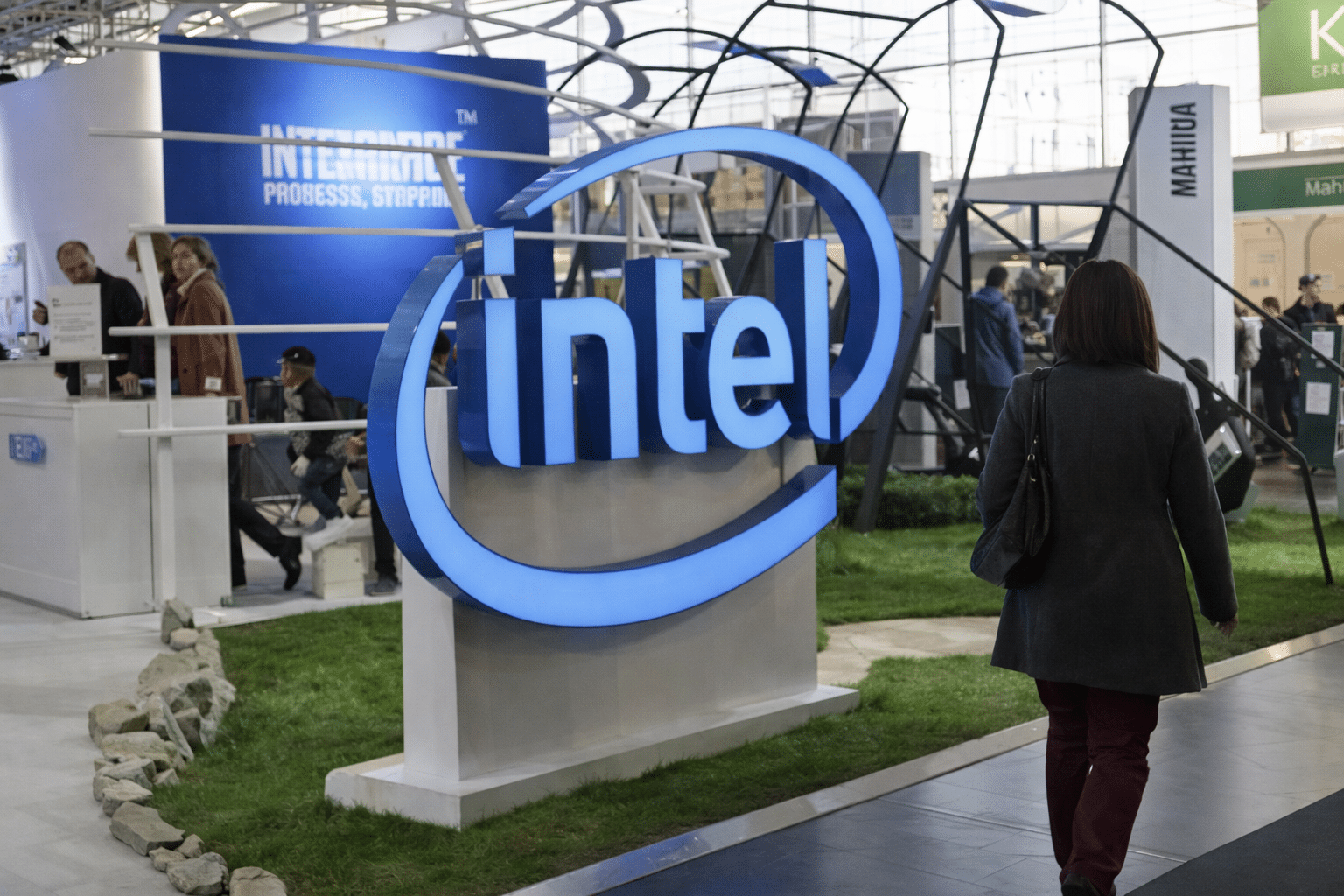
Intel’s resurgence on Wall Street is gaining fresh momentum as optimism around its manufacturing turnaround deepens. Shares of Intel have climbed roughly 150% since August, and a new call from KeyBanc Capital Markets suggests the rally may still be underappreciating a pivotal shift in the company’s long-term trajectory. The firm upgraded Intel to Overweight and set a $60 price target, the highest on the Street, implying meaningful upside into 2026.
The upgrade reflects growing confidence that Intel’s foundry ambitions—long viewed skeptically by markets—are beginning to translate into tangible commercial progress, potentially altering the competitive landscape of global chip manufacturing.
Foundry Momentum Changes the Narrative
At the core of the bullish reassessment is Intel’s contract manufacturing, or foundry, business. According to KeyBanc analyst John Vinh, the market has yet to fully price in evidence that Intel is winning real customers at advanced process nodes. That shift matters because the foundry strategy underpins Intel’s effort to diversify beyond its traditional PC and server businesses and challenge Asian manufacturing giants.
Vinh highlighted a major design win involving Apple, which is reportedly set to use Intel’s 18A process for certain lower-end Macs and iPads. While limited in scope initially, the deal marks Intel’s first significant validation at the 18A node, widely viewed as a make-or-break technology for the company’s manufacturing comeback. Over time, broader adoption could materially improve utilization and margins in Intel’s foundry segment.
Technology Execution Gains Credibility
Intel has already begun shipping its first chips built on the 18A process, reporting sharp performance improvements compared with earlier generations. That milestone addresses a central concern among investors: whether Intel could reliably execute on aggressive process roadmaps after years of delays.
The improved execution is also arriving at a favorable moment for the industry. Demand linked to artificial intelligence infrastructure remains strong, and Vinh noted that Intel’s CPU capacity is close to sold out for the year. In an environment where customers are scrambling to secure reliable supply, manufacturing credibility becomes a strategic asset rather than a cost center.
Strategic Importance Extends Beyond Markets
Beyond near-term fundamentals, Intel’s positioning is increasingly framed as strategically important at both corporate and national levels. KeyBanc pointed to large-scale investments by players such as SoftBank and Nvidia, underscoring confidence in the broader semiconductor ecosystem Intel is trying to anchor.
Political backing has also added a layer of support. Recent public comments from Donald Trump emphasizing Intel’s leadership role reinforce the perception that the company sits at the center of U.S. efforts to rebuild domestic chip manufacturing capacity—a theme that continues to attract long-term capital.
What Comes Next for Investors
Despite the dramatic rally, Intel’s valuation still reflects skepticism about sustained execution and competitive durability. That leaves room for further re-rating if foundry wins expand beyond early adopters and if 18A performance continues to meet or exceed expectations.
At the same time, risks remain. The foundry business is capital-intensive, competition is fierce, and any slip in technology timelines could quickly revive doubts. For now, however, the balance of evidence is shifting.
Intel’s stock surge is no longer just a speculative rebound—it is increasingly tied to a structural narrative around manufacturing relevance, AI-driven demand, and strategic positioning. If those elements hold, the path toward 2026 may still offer upside that markets are only beginning to recognize.
Comparison, examination, and analysis between investment houses
Leave your details, and an expert from our team will get back to you as soon as possible
* This article, in whole or in part, does not contain any promise of investment returns, nor does it constitute professional advice to make investments in any particular field.
To read more about the full disclaimer, click here
- orshu
- •
- 6 Min Read
- •
- ago 9 minutes
SKN | American Airlines (AAL) Jumps Over 6%: Strategic Expansion or Short-Term Rebound?
American Airlines Group Inc. (NASDAQ: AAL) climbed above 6% intraday, trading near $14.14 as of mid-afternoon U.S. market hours.
- ago 9 minutes
- •
- 6 Min Read

American Airlines Group Inc. (NASDAQ: AAL) climbed above 6% intraday, trading near $14.14 as of mid-afternoon U.S. market hours.
- orshu
- •
- 7 Min Read
- •
- ago 2 hours
SKN | Shopify (SHOP) Surges: Earnings Strength, Margin Expansion, and AI Momentum Drive the Rally
Shopify (NYSE: SHOP) traded higher today as investors reacted positively to its latest financial update and improving margin profile.
- ago 2 hours
- •
- 7 Min Read

Shopify (NYSE: SHOP) traded higher today as investors reacted positively to its latest financial update and improving margin profile.
- orshu
- •
- 7 Min Read
- •
- ago 3 hours
SKN | Electronic Components Q4 Earnings: Is Knowles (NYSE: KN) Emerging as the Sector’s Standout Performer?
The fourth-quarter earnings season for electronic components and manufacturing companies reflected a sector navigating the late stages of a
- ago 3 hours
- •
- 7 Min Read

The fourth-quarter earnings season for electronic components and manufacturing companies reflected a sector navigating the late stages of a
- orshu
- •
- 7 Min Read
- •
- ago 5 hours
SKN | Investment Banking & Brokerage Stocks Q4 Teardown: Can Stifel (NYSE: SF) Outperform in a Reopening Deal Cycle?
The fourth-quarter earnings season for U.S. investment banking and brokerage firms underscored a sector in transition. After two years
- ago 5 hours
- •
- 7 Min Read
The fourth-quarter earnings season for U.S. investment banking and brokerage firms underscored a sector in transition. After two years

