


- sagi habasov
- •
- 7 Min Read
- •
- 2 months ago
Key Points
- Gold prices eased as geopolitical tensions cooled and immediate safe-haven demand faded.
- Stronger US data reduced expectations for near-term Federal Reserve rate cuts, weighing on bullion.
- Despite the pullback, gold remains near record highs, supported by longer-term structural drivers.
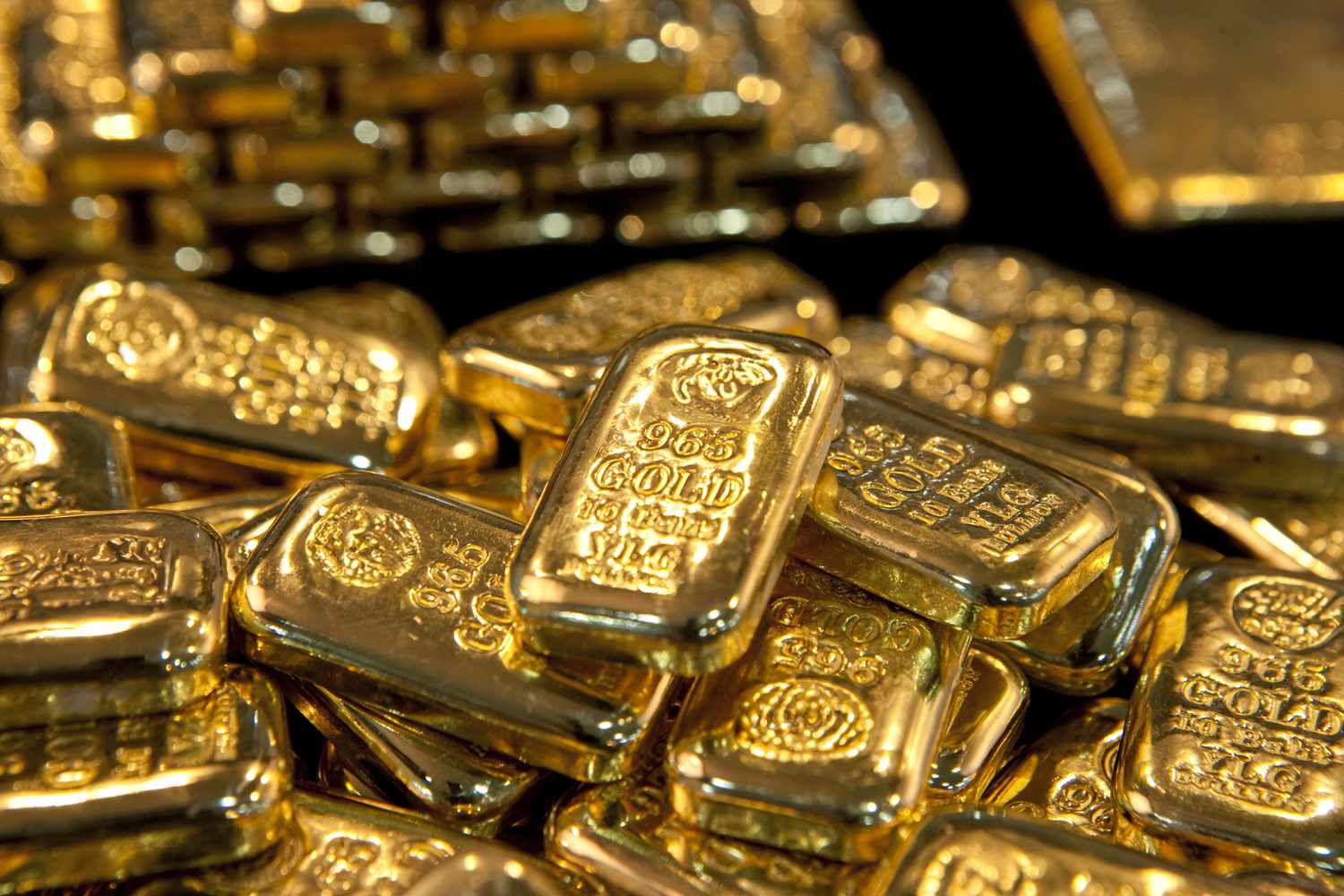
Gold prices extended losses on Friday, sliding around 1% toward $4,560 an ounce, as a combination of easing geopolitical anxiety and shifting monetary policy expectations prompted investors to lock in gains. The move reflects a recalibration rather than a reversal, with markets reassessing how much risk premium remains justified after a powerful rally that carried bullion to record levels late last year.
Cooling Geopolitics Reduce Haven Demand
One of the key drivers behind the latest pullback has been a moderation in geopolitical risk. Tensions surrounding Iran eased further after President Donald Trump reiterated that the United States may delay any military action, citing signs that the crackdown on protests was slowing and that mass executions would not proceed. Those remarks lowered the probability of near-term conflict in a region critical to global energy markets, dampening demand for traditional safe-haven assets.
Gold has historically been highly sensitive to sudden shifts in geopolitical risk perception. As the immediate threat premium embedded earlier this week began to unwind, investors appeared more willing to trim exposure, particularly after bullion had already posted outsized gains over recent sessions.
Rates Outlook Turns More Restrictive
At the same time, the macroeconomic backdrop has become less supportive for non-yielding assets. Stronger US economic data reinforced expectations that the Federal Reserve will keep interest rates restrictive for longer, pushing back hopes for imminent monetary easing. Markets are now broadly pricing no change in policy at the upcoming Federal Open Market Committee meeting, with the next fully anticipated rate cut pushed deeper into mid-2026.
For gold, higher-for-longer rates increase the opportunity cost of holding bullion, particularly for short-term traders. The reassessment of rate expectations has contributed to softer demand, even as long-term investors remain constructive on gold’s role as a hedge against fiscal and monetary uncertainty.
Positioning and Profit-Taking at Elevated Levels
The latest decline also reflects technical and behavioral factors. After rising sharply earlier in the week, gold was vulnerable to profit-taking, especially among momentum-driven funds. With prices still hovering close to historic highs, relatively modest shifts in sentiment can trigger outsized moves as leveraged positions are adjusted.
Importantly, the pullback has been orderly rather than disorderly, suggesting that investors are reducing exposure tactically rather than abandoning the broader bullish narrative.
The Bigger Picture Still Favors Gold
Despite Friday’s losses, gold remains near record territory and is still on track for a weekly gain. Over the past year, bullion has benefited from a powerful mix of drivers: persistent geopolitical uncertainty, concerns about fiscal sustainability in major economies, central bank buying, and periodic questions over the independence of monetary authorities.
These longer-term forces have not disappeared. Even as short-term catalysts ebb and flow, gold continues to serve as a portfolio diversifier and a hedge against systemic risk, particularly for investors wary of currency debasement and elevated government debt levels.
What Investors Should Watch Next
Looking ahead, the balance between macro data and geopolitical developments will remain crucial. Any renewed escalation in global tensions or signs of economic slowdown could quickly revive safe-haven demand. Conversely, continued resilience in US growth and firm central bank resolve may keep upward pressure on real yields, limiting gold’s near-term upside.
For now, the market appears to be digesting gains rather than changing direction. Whether gold resumes its climb or enters a more extended consolidation phase will depend on how convincingly the current calm — both geopolitical and monetary — holds.
Comparison, examination, and analysis between investment houses
Leave your details, and an expert from our team will get back to you as soon as possible
* This article, in whole or in part, does not contain any promise of investment returns, nor does it constitute professional advice to make investments in any particular field.
To read more about the full disclaimer, click here
- Lior mor
- •
- 6 Min Read
- •
- ago 12 hours
SKN | Gold Retreats as Dollar Strengthens: Are Precious Metals Losing Their Safe-Haven Appeal?
Gold prices pulled back from recent highs as the U.S. dollar strengthened and Treasury yields moved higher, challenging the traditional
- ago 12 hours
- •
- 6 Min Read

Gold prices pulled back from recent highs as the U.S. dollar strengthened and Treasury yields moved higher, challenging the traditional
- Lior mor
- •
- 6 Min Read
- •
- ago 23 hours
SKN | Why Are European Natural Gas Prices Surging as Middle East LNG Supplies Disrupt Global Markets?
European natural gas prices are climbing sharply as escalating conflict in the Middle East threatens critical liquefied natural gas (LNG)
- ago 23 hours
- •
- 6 Min Read

European natural gas prices are climbing sharply as escalating conflict in the Middle East threatens critical liquefied natural gas (LNG)
- Lior mor
- •
- 6 Min Read
- •
- ago 1 day
SKN | US Approves Temporary Sales of Russian Oil Stranded at Sea – What It Means for Global Markets
The United States announced it will permit the sale of Russian crude oil that has remained stranded at sea for
- ago 1 day
- •
- 6 Min Read

The United States announced it will permit the sale of Russian crude oil that has remained stranded at sea for

- Ronny Mor
- •
- 6 Min Read
- •
- ago 1 day
SKN | Why Are U.S. Gasoline Prices Surging Despite the Largest Strategic Oil Release in History?
U.S. gasoline futures have surged to their highest levels in nearly two years as escalating tensions in the Persian Gulf
- ago 1 day
- •
- 6 Min Read
U.S. gasoline futures have surged to their highest levels in nearly two years as escalating tensions in the Persian Gulf

