


- Lior mor
- •
- 7 Min Read
- •
- 43 minutes ago
Key Points
- Disney’s action signals intensifying legal scrutiny of AI training practices.
- Licensing agreements may become a preferred model over litigation in monetizing intellectual property.
- The dispute could reshape valuation and regulatory risk assessments for global AI platforms.
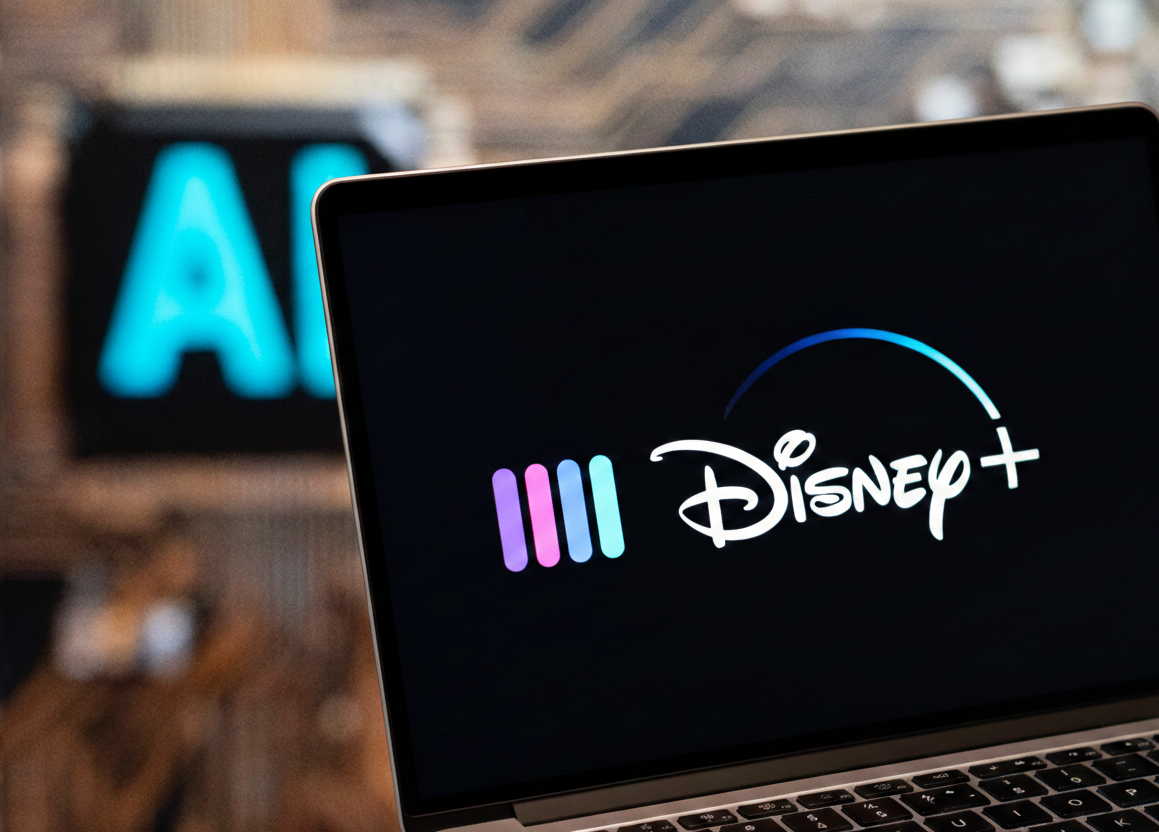
Disney has escalated its defense of intellectual property by sending a cease-and-desist letter to ByteDance, alleging that the Chinese tech giant used copyrighted characters from franchises such as Star Wars and Marvel to train and power its Seedance 2.0 AI video generator without authorization. The move marks one of the most prominent confrontations yet between a global entertainment conglomerate and a major AI platform, signaling that the legal battle over generative AI is entering a more aggressive phase.
The dispute arrives at a time when AI-generated content is proliferating rapidly across global markets, raising fundamental questions about ownership, licensing, and the economic value of creative assets. For investors in both U.S. and Asian tech markets, the outcome could influence valuation models for AI firms and content owners alike.
Intellectual Property at the Center of the AI Boom
According to reports, Disney alleges that Seedance 2.0 was pre-packaged with what it described as a pirated library of copyrighted characters, including Spider-Man and Darth Vader, effectively portraying them as if they were public-domain assets. The letter claims the AI tool reproduces, distributes, and creates derivative works based on protected characters.
ByteDance has indicated it will strengthen safeguards to prevent unauthorized use of copyrighted characters and celebrity likenesses, though it has not publicly detailed the scope of the changes. The incident follows similar enforcement steps by Paramount Skydance and previous action taken by Disney against Character.AI.
The legal tension highlights a growing divide between AI developers seeking expansive training datasets and rights holders determined to protect long-standing franchises that generate billions in annual revenue through films, streaming, merchandise, and licensing.
Strategic Implications for AI Platforms
Seedance 2.0 has reportedly gained rapid traction in China, with viral videos featuring realistic depictions of global celebrities and cinematic storylines generated from minimal prompts. Comparisons to other high-profile AI models suggest that ByteDance is positioning itself as a serious contender in generative video technology.
However, as generative AI becomes more commercially viable, the risk of litigation increases. The industry has already seen a bifurcation: some firms pursue negotiated licensing agreements, while others rely on contested fair-use interpretations. In December, Disney signed a licensing deal with OpenAI, permitting the use of certain characters in its Sora video generator. That agreement illustrates an alternative path—monetizing intellectual property through structured partnerships rather than court battles.
For AI developers, licensing deals could raise operating costs but also reduce regulatory and reputational risk. For content owners, structured AI agreements open new recurring revenue streams while preserving brand control.
Global Regulatory and Market Consequences
This dispute also carries geopolitical dimensions. With U.S.–China relations already strained in technology and trade, high-profile IP enforcement actions may intensify scrutiny of Chinese AI platforms operating internationally. Regulatory bodies in both jurisdictions are increasingly focused on AI governance, copyright protection, and data provenance.
For capital markets, the broader question is whether escalating legal friction will slow AI deployment or simply shift the economics of the sector. Investors may begin differentiating more sharply between AI companies with formal licensing frameworks and those facing unresolved IP exposure.
As generative AI continues to blur the line between inspiration and infringement, companies across media, technology, and entertainment will likely revisit their strategies. Whether through litigation, licensing, or regulatory intervention, the balance between innovation and intellectual property protection is poised to redefine the economics of digital creativity.
Comparison, examination, and analysis between investment houses
Leave your details, and an expert from our team will get back to you as soon as possible
* This article, in whole or in part, does not contain any promise of investment returns, nor does it constitute professional advice to make investments in any particular field.
To read more about the full disclaimer, click here
- omer bar
- •
- 6 Min Read
- •
- ago 3 hours
SKN | The Dark Side of AI? Wall Street Weighs Stock Sell-Off Over Disruption Concerns
Wall Street saw a notable pullback in AI-related equities over the past week, with several major tech names shedding 3–6
- ago 3 hours
- •
- 6 Min Read

Wall Street saw a notable pullback in AI-related equities over the past week, with several major tech names shedding 3–6

- Lior mor
- •
- 6 Min Read
- •
- ago 9 hours
SKN | Ford and GM Enter the Energy Storage Arena: Can They Challenge Tesla Beyond EVs?
Ford Motor Co. and General Motors are accelerating their push into stationary energy storage, signaling that the race for
- ago 9 hours
- •
- 6 Min Read

Ford Motor Co. and General Motors are accelerating their push into stationary energy storage, signaling that the race for

- sagi habasov
- •
- 6 Min Read
- •
- ago 10 hours
SKN | Amazon’s $200 Billion AI Bet: Can Andy Jassy Reignite AWS Growth?
Amazon CEO Andy Jassy is doubling down on artificial intelligence, backing a multiyear capital expenditure plan that could reach
- ago 10 hours
- •
- 6 Min Read
Amazon CEO Andy Jassy is doubling down on artificial intelligence, backing a multiyear capital expenditure plan that could reach
- Lior mor
- •
- 7 Min Read
- •
- ago 11 hours
SKN | Palantir Soars as AI Pure-Play: Can PLTR Sustain Its Premium After Truist Reaffirms Buy?
Palantir Technologies (PLTR) has emerged as one of the most closely watched artificial intelligence equities, with shares climbing sharply
- ago 11 hours
- •
- 7 Min Read

Palantir Technologies (PLTR) has emerged as one of the most closely watched artificial intelligence equities, with shares climbing sharply

