


- Ronny Mor
- •
- 8 Min Read
- •
- 46 minutes ago
Key Points
- Reports suggest Christine Lagarde may step down before her mandate ends in 2027, though the ECB denies the claims.
- An early exit could allow current French and German leadership to shape the next ECB presidency before elections shift the political landscape.
- Potential successors Klaas Knot and Pablo Hernández de Cos signal differing policy nuances that markets will closely watch.
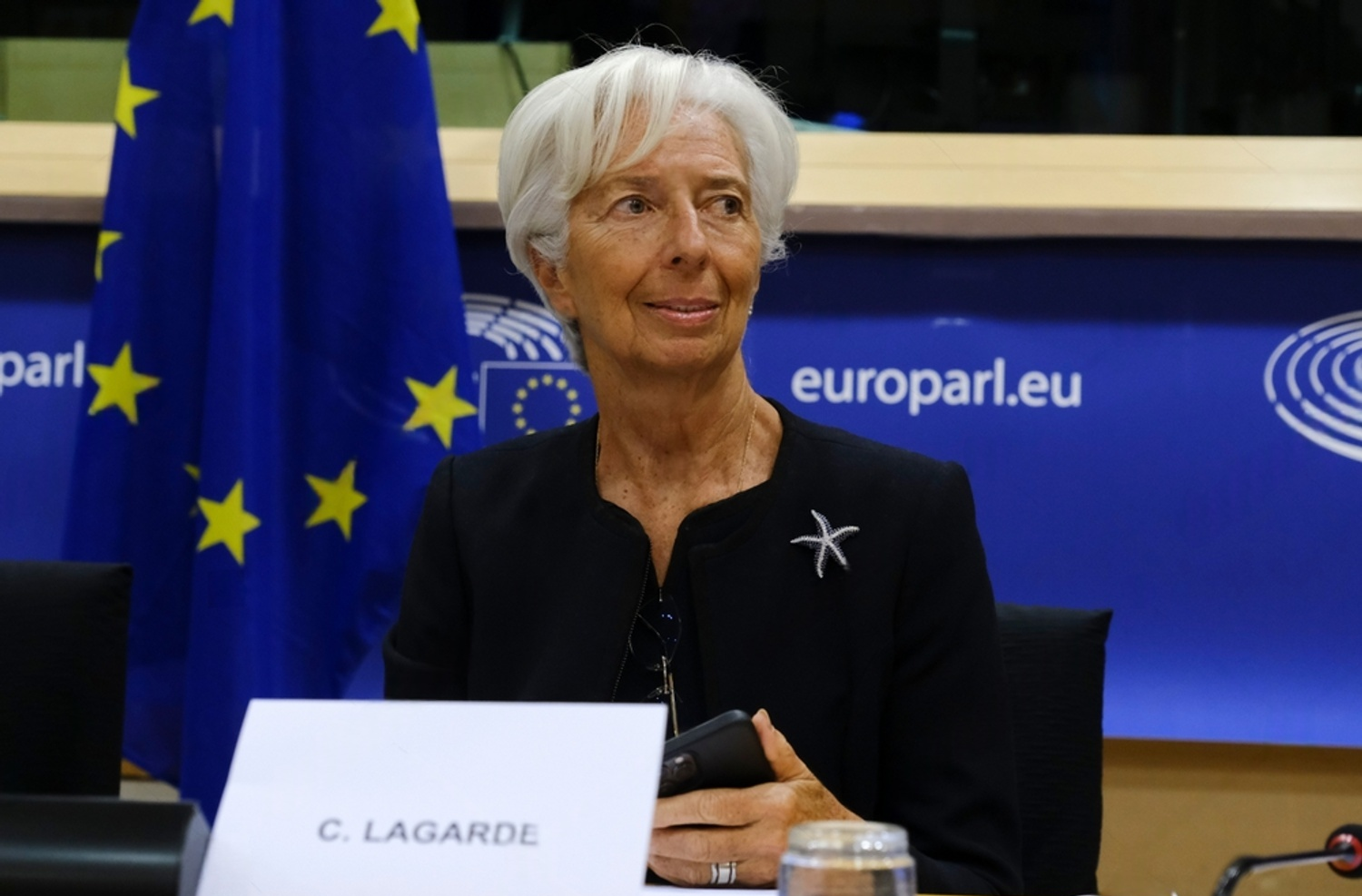
Speculation is mounting across European financial circles after reports suggested that European Central Bank President Christine Lagarde may step down before completing her eight-year mandate in October 2027. According to sources cited by the Financial Times, Lagarde is considering vacating her post ahead of the French presidential elections in April 2027. While the ECB has dismissed the claims and reiterated that she remains “fully focused” on her mission, the timing of the reports has triggered intense debate over succession politics and the future direction of euro-area monetary policy.
Political Timing and Strategic Calculations
An early departure would not merely be symbolic. It could significantly influence the appointment of the next ECB president. By stepping aside before France’s 2027 election, Lagarde would effectively allow current French President Emmanuel Macron and German Chancellor Friedrich Merz to shape the selection process.
This matters because both France and Germany hold outsized influence in European institutional appointments. With Macron constitutionally barred from seeking a third term and polling momentum building for far-right parties such as Rassemblement National in France and the Alternative for Germany in Berlin, policymakers in Brussels are increasingly alert to political risk.
A Eurosceptic government in Paris could complicate or even stall appointments to key EU institutions, including the ECB. In that context, an earlier transition could be viewed as a pre-emptive move to preserve institutional continuity and safeguard the eurozone’s monetary credibility.
Market Implications: Stability vs. Uncertainty
For markets, the timing of leadership changes at the ECB carries significant weight. The central bank has navigated a challenging period marked by post-pandemic inflation spikes, aggressive tightening cycles, and renewed debate about rate cuts as growth slows across the euro area.
A sudden leadership transition could introduce short-term volatility in bond yields and currency markets, particularly if investors perceive a shift in policy bias. The euro’s trajectory has already been sensitive to diverging monetary paths between the ECB and the Federal Reserve.
The reported early resignation last week of Bank of France Governor François Villeroy de Galhau has only amplified speculation that broader institutional reshuffling may be underway. Even if official denials hold for now, succession conversations are likely to intensify among policymakers, economists, and investors alike.
The Race for Frankfurt
Potential successors are already being informally assessed. Former Dutch central bank chief Klaas Knot is widely seen as a leading contender. Once considered a strict inflation hawk, Knot has evolved into a more consensus-driven figure, which may appeal to both northern and southern eurozone members. His Dutch background could also offer a politically neutral compromise between Paris and Berlin.
Another prominent name is Pablo Hernández de Cos, former Governor of the Bank of Spain and current head of the Bank for International Settlements. Known for his technical expertise and collaborative leadership style, he is regarded as a steady hand in complex policy environments.
The selection will ultimately signal whether the ECB intends to prioritize inflation vigilance, financial stability, or growth support in the coming cycle.
What Comes Next for Europe’s Monetary Leadership?
Even if Lagarde remains in place through 2027, the mere possibility of an early exit reshapes expectations. Investors will closely monitor public remarks, internal ECB dynamics, and political developments in France and Germany.
At a time when Europe faces slowing growth, structural competitiveness challenges, and geopolitical tensions, continuity at the ECB is more than symbolic. The institution’s leadership will help define borrowing costs, sovereign debt dynamics, and the euro’s global standing for years to come.
If succession discussions accelerate, markets may begin pricing in policy shifts well before any official announcement—making political timing as consequential as monetary policy itself.
Comparison, examination, and analysis between investment houses
Leave your details, and an expert from our team will get back to you as soon as possible
* This article, in whole or in part, does not contain any promise of investment returns, nor does it constitute professional advice to make investments in any particular field.
To read more about the full disclaimer, click here
- Ronny Mor
- •
- 8 Min Read
- •
- ago 1 day
SKN | RBA Signals No Pre-Set Path After February Rate Hike: What’s Next for Australian Monetary Policy?
The Reserve Bank of Australia (RBA) delivered a rate hike at its February meeting, reinforcing its commitment to returning inflation
- ago 1 day
- •
- 8 Min Read

The Reserve Bank of Australia (RBA) delivered a rate hike at its February meeting, reinforcing its commitment to returning inflation
- Ronny Mor
- •
- 6 Min Read
- •
- ago 2 days
SKN | Gold and Silver Edge Lower Ahead of Key Economic Data: Is Volatility Set to Return?
Gold and silver prices retreated modestly at the start of the week as investors adopted a cautious stance ahead
- ago 2 days
- •
- 6 Min Read

Gold and silver prices retreated modestly at the start of the week as investors adopted a cautious stance ahead

- Arik Arkadi Sluzki
- •
- 7 Min Read
- •
- ago 2 days
SKN | Is AI’s Labor Market Disruption Overstated? Economists Say the Impact Is Still Premature
Artificial intelligence has been widely portrayed as a transformative force capable of reshaping global employment. Yet several economists argue
- ago 2 days
- •
- 7 Min Read

Artificial intelligence has been widely portrayed as a transformative force capable of reshaping global employment. Yet several economists argue

- omer bar
- •
- 7 Min Read
- •
- ago 2 days
SKN | Japan PM Takaichi Meets BOJ Governor Ueda as Markets Price In Fresh Rate Hike
Japan’s monetary policy outlook is back in sharp focus as Prime Minister Sanae Takaichi meets Bank of Japan Governor Kazuo
- ago 2 days
- •
- 7 Min Read
Japan’s monetary policy outlook is back in sharp focus as Prime Minister Sanae Takaichi meets Bank of Japan Governor Kazuo

