




- Lior mor
- •
- 7 Min Read
- •
- 4 hours ago


Key Points
- Major technology companies are carrying nearly $3 trillion in off-balance-sheet commitments linked to their AI infrastructure expansion, far exceeding their reported capital expenditures of about $600 billion.
- The gap highlights how much future spending is embedded in purchase commitments and leases.
- For investors, these obligations could become an increasingly important measure of the true financial cost of the artificial intelligence arms race.
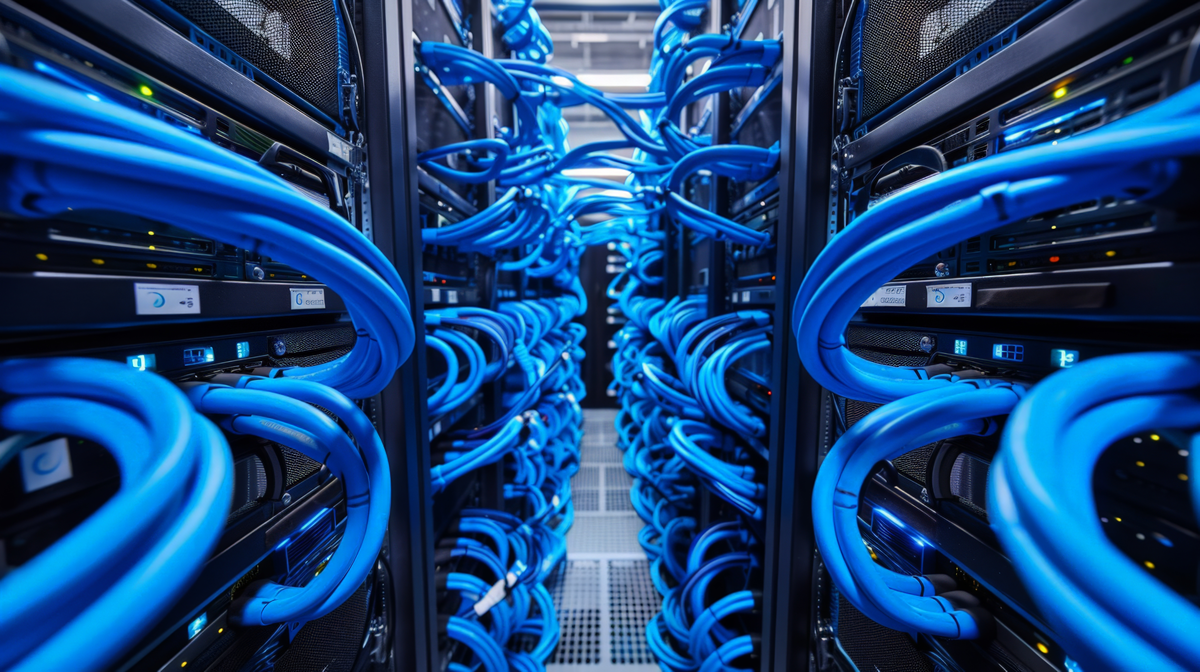
The scale of artificial intelligence investment among the world’s largest technology companies may be substantially larger than headline capital-expenditure figures suggest. Nine major technology companies have accumulated roughly $3 trillion in off-balance-sheet commitments, according to the data presented, compared with approximately $600 billion in reported capital expenditure. The disparity highlights a growing financial commitment to AI infrastructure that may not be immediately visible in conventional earnings and spending metrics. As companies race to secure computing capacity, data centers, chips, and related infrastructure, investors are increasingly being forced to look beyond current spending and assess obligations that could affect future cash flows.
AI Infrastructure Commitments Extend Far Beyond Reported Capex
Traditional capital expenditure provides an important measure of how much a company is investing today, but it does not necessarily capture the full scale of future obligations. The data highlights substantial purchase commitments and leases that have not yet fully translated into reported capital spending. These arrangements allow companies to secure critical infrastructure and capacity while spreading the associated financial burden over future periods.
Alphabet, Meta, Microsoft, Oracle, Amazon, and Nvidia are among the major technology companies highlighted in the data. Their commitments have expanded sharply as demand for computing power accelerates. The increasing reliance on long-term agreements reflects the strategic importance of securing access to data centers, advanced processors, networking equipment, and other infrastructure required to support increasingly sophisticated AI systems.
The AI Arms Race Is Creating Long-Term Financial Obligations
The scale of these commitments illustrates how competitive pressure is shaping corporate strategy. Technology companies cannot afford to wait until AI demand is fully established before securing infrastructure because shortages of computing capacity could limit their ability to develop and commercialize new products. As a result, companies are committing substantial resources in advance, effectively prioritizing strategic positioning over short-term financial flexibility.
For investors, this creates a more complicated assessment of profitability. A company may report strong current free cash flow while simultaneously accumulating significant future obligations. If AI revenues expand rapidly enough, those commitments could ultimately generate attractive returns. However, if demand growth falls short of expectations, companies could be left carrying expensive infrastructure commitments that weigh on future margins and cash generation.
Investors Need to Look Beyond the AI Spending Headline
The growing difference between reported capital expenditure and broader contractual commitments also raises questions about how markets are valuing the AI boom. Investors have focused heavily on current earnings growth and announced infrastructure spending, but future obligations could become increasingly important as companies move from building AI capacity to monetizing it.
Looking ahead, the key issue will be whether revenue generated from artificial intelligence grows quickly enough to justify the enormous infrastructure commitments being accumulated today. Investors should monitor cash flow, contractual obligations, data-center utilization, AI-related revenue growth, and future capital requirements alongside traditional earnings metrics. If AI demand continues accelerating, these commitments could support years of expansion and strengthen the competitive position of leading technology companies. If adoption disappoints, however, the same obligations could become a significant source of financial pressure.
Ending Highlights: Major technology companies have accumulated approximately $3 trillion in off-balance-sheet commitments while reported capital expenditure stands near $600 billion. The obligations reflect the enormous infrastructure requirements behind the AI race. Future AI revenue growth and cash-flow generation will determine whether these commitments become strategic investments or a growing financial burden.
Comparison, examination, and analysis between investment houses
Leave your details, and an expert from our team will get back to you as soon as possible
* This article, in whole or in part, does not contain any promise of investment returns, nor does it constitute professional advice to make investments in any particular field.
To read more about the full disclaimer, click here
- Arik Arkadi Sluzki
- •
- 6 Min Read
- •
- ago 2 hours
SKN | Tesla Moves Toward Cybercab Launch as Robotaxi Strategy Enters Critical Phase
Tesla is preparing to take another step toward its long-term robotaxi ambitions, with employees reportedly being told that the
- ago 2 hours
- •
- 6 Min Read
Tesla is preparing to take another step toward its long-term robotaxi ambitions, with employees reportedly being told that the

- omer bar
- •
- 6 Min Read
- •
- ago 3 hours
SKN | Could Nvidia’s $105 Billion OpenAI Data Center Deal Redefine the AI Infrastructure Boom?
Nvidia Deepens Its Role in AI Infrastructure Nvidia, OpenAI and SB Energy are joining forces to develop the PORTS-Pike Technology
- ago 3 hours
- •
- 6 Min Read
Nvidia Deepens Its Role in AI Infrastructure Nvidia, OpenAI and SB Energy are joining forces to develop the PORTS-Pike Technology

- Ronny Mor
- •
- 7 Min Read
- •
- ago 4 hours
SKN | Anthropic IPO Valuation Puts Long-Term AI Growth Under the Microscope
Anthropic is preparing for what could become one of the largest technology IPOs on record, but the valuation debate
- ago 4 hours
- •
- 7 Min Read

Anthropic is preparing for what could become one of the largest technology IPOs on record, but the valuation debate

- sagi habasov
- •
- 8 Min Read
- •
- ago 15 hours
SKN | Is the Stellar Earnings Season for Japanese Chemical Firms Signaling a Global Supply Chain Recovery?
Amidst global macroeconomic uncertainty, yen exchange rate volatility, and persistent fears of a demand slowdown, the recent earnings season in
- ago 15 hours
- •
- 8 Min Read

Amidst global macroeconomic uncertainty, yen exchange rate volatility, and persistent fears of a demand slowdown, the recent earnings season in


