


- Lior mor
- •
- 7 Min Read
- •
- 11 hours ago
Key Points
- Crude oil surged above $90 per barrel as geopolitical tensions intensified across the Middle East.
- Shipping disruptions around the Strait of Hormuz are raising fears of a global supply shock.
- Governments and energy producers are exploring emergency measures to stabilize oil markets.
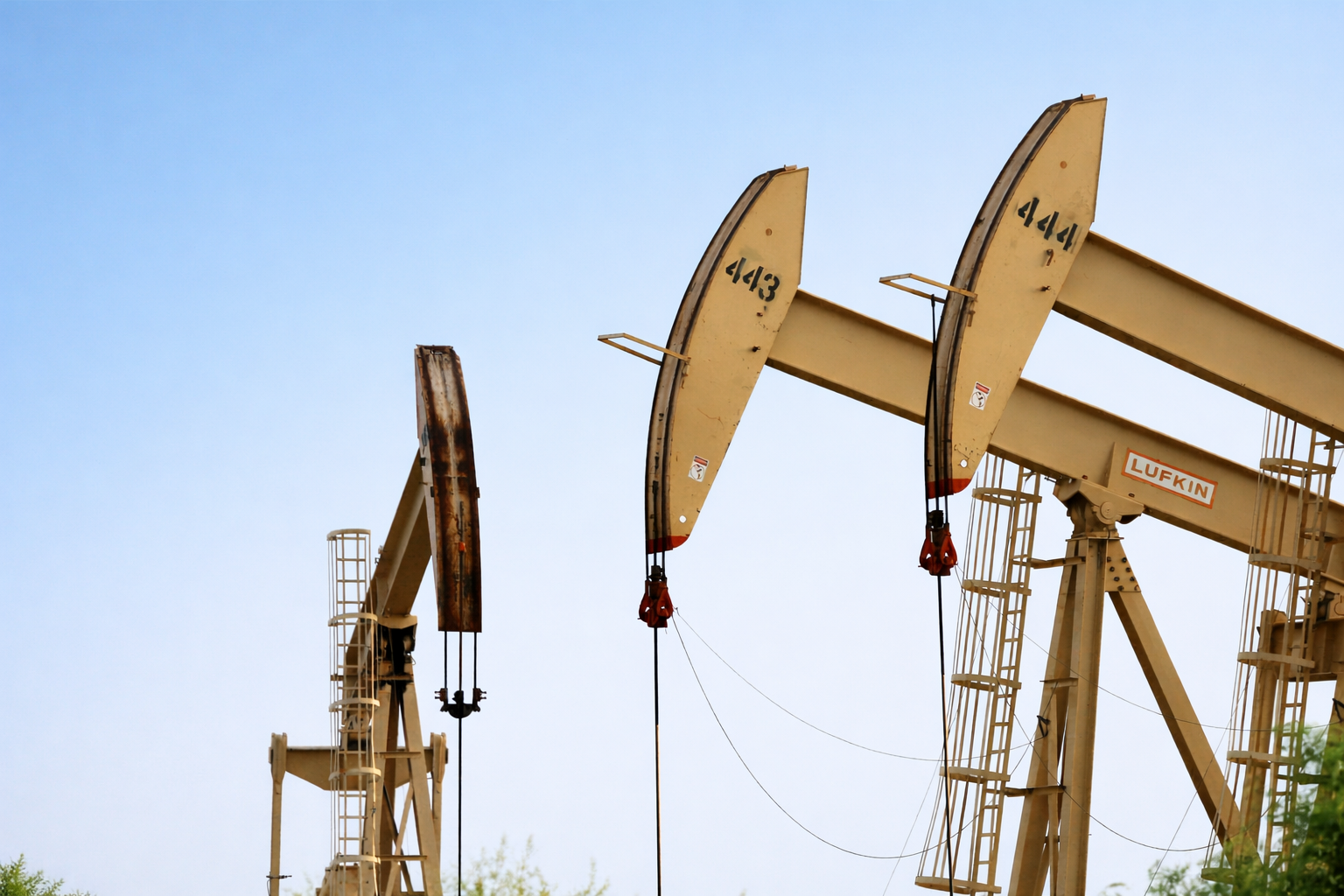
Crude oil prices jumped sharply this week, pushing above $90 per barrel and reaching their highest levels since August 2022 as escalating tensions in the Middle East threatened to disrupt one of the world’s most important energy supply corridors. The rally highlights how geopolitical risk can rapidly transform commodity markets, forcing investors and policymakers to reassess global supply dynamics. With oil already rising more than 40% over the past month, markets are increasingly debating whether the next milestone could be a return to triple-digit crude prices.
Geopolitical Tensions Trigger Sharp Oil Rally
The latest surge in oil prices comes as the conflict involving Iran intensifies, raising fears that energy infrastructure and shipping routes across the Persian Gulf could face prolonged disruptions. U.S. benchmark West Texas Intermediate crude climbed more than 11% to trade above $90 per barrel, reflecting one of the strongest weekly rallies in years.
Political rhetoric has further heightened market anxiety. U.S. President Donald Trump urged Iran to accept unconditional surrender, signaling that the geopolitical standoff could escalate rather than ease in the near term. Markets often respond quickly to geopolitical developments involving major oil-producing regions, and the Middle East remains one of the most sensitive areas for global energy supply.
Investors are increasingly pricing in the possibility that tensions could affect oil production or transportation routes across the region, creating a risk premium that drives prices higher even before actual supply disruptions occur.
Strait of Hormuz Emerges as Critical Risk Point
The Strait of Hormuz has become the central focus for energy markets. The narrow waterway connects the Persian Gulf to global shipping lanes and typically carries around 20 million barrels of oil and petroleum products per day, making it one of the most strategically important energy corridors in the world.
Energy officials in the Gulf region have warned that production could be halted if tankers are unable to safely navigate the route. Such a development would have significant implications for global energy markets because few alternative shipping routes exist for large volumes of crude exports.
Even the possibility of shipping disruptions has already begun to reshape energy logistics. Some producers have started redirecting shipments through alternative routes while raising export prices for certain markets in response to tightening supply conditions.
Global Responses Aim to Stabilize Energy Markets
Governments and energy producers are beginning to explore measures aimed at preventing a prolonged supply crisis. U.S. officials have signaled that the country could release oil from its strategic petroleum reserves if market conditions deteriorate further. Temporary policy adjustments have also been introduced to help maintain global crude flows, including allowing certain shipments of Russian oil already at sea to reach international buyers.
Meanwhile, Saudi Arabia has adjusted export strategies by redirecting some shipments through Red Sea ports, a move designed to reduce reliance on the Strait of Hormuz during the current period of instability. At the same time, the kingdom has raised oil prices for Asian buyers, reflecting tightening market conditions.
Looking ahead, the direction of oil prices will depend largely on how the geopolitical situation evolves in the coming weeks. If tensions escalate further or shipping disruptions intensify, crude prices could continue climbing, potentially reigniting inflation pressures worldwide. For investors and policymakers alike, the current rally underscores how quickly geopolitical events can reshape energy markets and influence the broader global economy.
Comparison, examination, and analysis between investment houses
Leave your details, and an expert from our team will get back to you as soon as possible
* This article, in whole or in part, does not contain any promise of investment returns, nor does it constitute professional advice to make investments in any particular field.
To read more about the full disclaimer, click here
- Ronny Mor
- •
- 8 Min Read
- •
- ago 2 minutes
SKN | Could a Prolonged Conflict with Iran Send Global Gas Prices Soaring?
Escalating geopolitical tensions in the Middle East have once again placed global energy markets on alert. While oil prices typically
- ago 2 minutes
- •
- 8 Min Read

Escalating geopolitical tensions in the Middle East have once again placed global energy markets on alert. While oil prices typically

- omer bar
- •
- 7 Min Read
- •
- ago 2 days
SKN | Could the Iran Conflict Trigger an Aluminum Supply Shock for U.S. Manufacturers?
The escalating conflict involving Iran is beginning to ripple through global metals markets, forcing U.S. aluminum buyers to urgently seek
- ago 2 days
- •
- 7 Min Read

The escalating conflict involving Iran is beginning to ripple through global metals markets, forcing U.S. aluminum buyers to urgently seek

- sagi habasov
- •
- 7 Min Read
- •
- ago 2 days
SKN | U.S. Crude Surges Nearly 10% as Global Buyers Rush for Barrels, Narrowing the Gap With Brent
Prices for U.S. crude oil surged nearly 10% in recent trading, rapidly closing the price gap with Brent crude,
- ago 2 days
- •
- 7 Min Read
Prices for U.S. crude oil surged nearly 10% in recent trading, rapidly closing the price gap with Brent crude,

- Lior mor
- •
- 5 Min Read
- •
- ago 3 days
SKN | Silver Price Volatility in 2026: Key Drivers and Investor Considerations
Silver prices have shown increased volatility in 2026, reflecting a combination of macroeconomic factors, industrial demand fluctuations, and ongoing global
- ago 3 days
- •
- 5 Min Read

Silver prices have shown increased volatility in 2026, reflecting a combination of macroeconomic factors, industrial demand fluctuations, and ongoing global

