


- sagi habasov
- •
- 8 Min Read
- •
- 15 hours ago
Key Points
- Geopolitical conflicts are undermining traditional diversification strategies, forcing investors to rethink hedging tools.
- Assets historically viewed as safe havens, including bonds and certain currencies, have shown mixed performance during recent crises.
- Institutional investors are increasingly exploring commodities, alternative assets, and defensive equities as portfolio hedges.
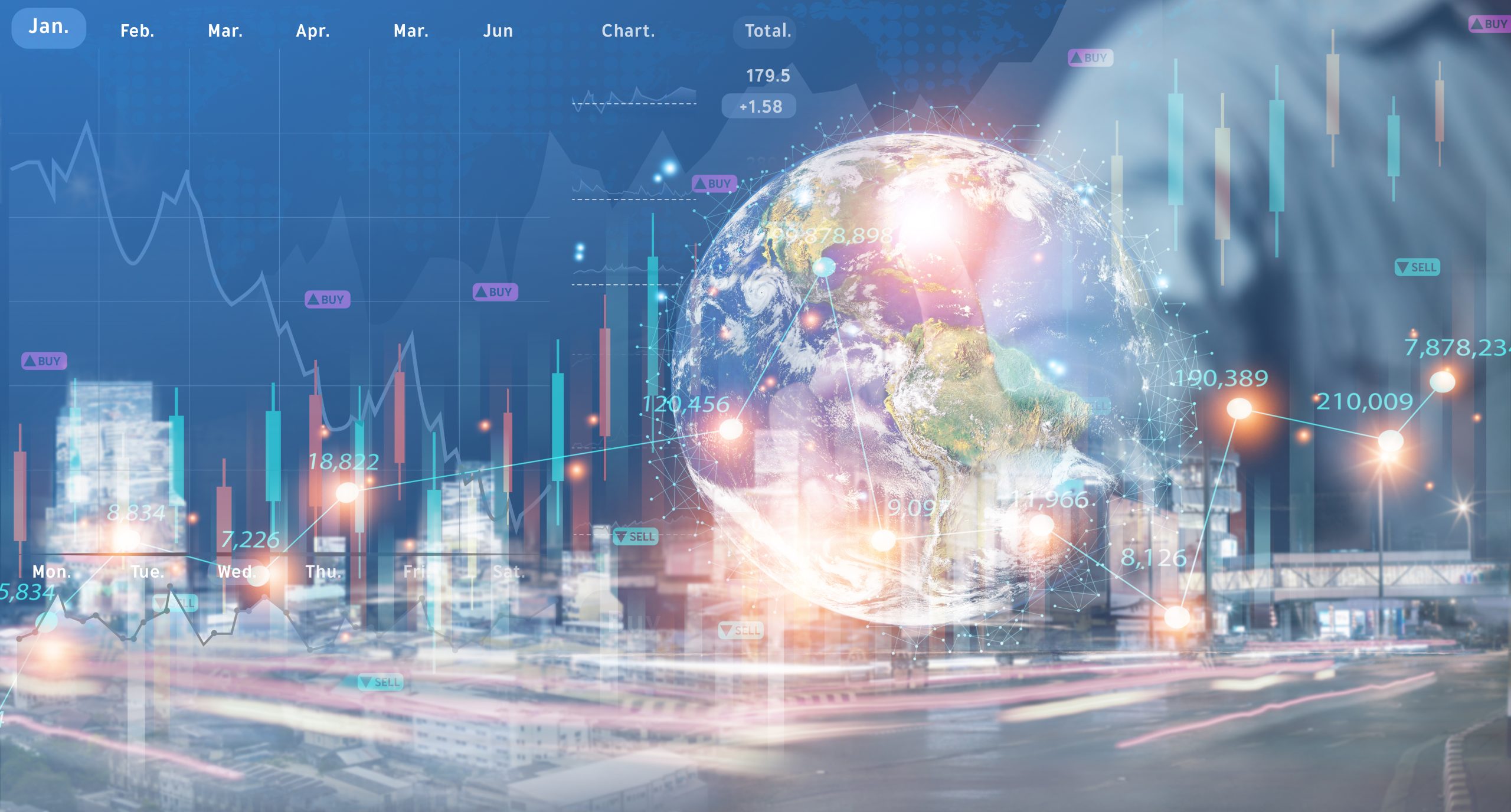
Global investors are reassessing decades-old portfolio strategies as geopolitical conflicts reshape market dynamics and challenge traditional assumptions about risk protection. From Eastern Europe to the Middle East and ongoing tensions in Asia, rising geopolitical uncertainty has exposed vulnerabilities in long-established diversification models.
For institutional investors, pension funds, and asset managers, the question is no longer whether geopolitical risk will affect markets, but how portfolios can remain resilient when traditional hedges behave unpredictably.
Traditional Safe Havens Face New Challenges
For decades, investors relied on a predictable playbook during periods of geopolitical stress: shift capital into government bonds, defensive currencies, and gold. However, recent market cycles have demonstrated that these strategies do not always function as reliably as they once did.
Government bonds, particularly U.S. Treasuries, have historically served as a cornerstone hedge during market turbulence. Yet the sharp rise in global interest rates since 2022 has altered that dynamic. Higher yields have led to periods in which both equities and bonds declined simultaneously, weakening the traditional 60/40 portfolio structure widely used by institutional investors.
Currency markets have also shown unexpected behavior. While the U.S. dollar continues to act as a global reserve currency, other traditional safe-haven currencies such as the Japanese yen and Swiss franc have not consistently strengthened during geopolitical shocks. Analysts attribute this to diverging monetary policies and shifting capital flows in global financial markets.
Commodities and Alternative Assets Gain Attention
As conventional hedges lose some reliability, investors are increasingly turning to commodities and alternative assets as potential buffers against geopolitical risk. Gold remains one of the most closely watched assets during periods of uncertainty, often benefiting from safe-haven demand and central bank purchases.
Energy commodities such as oil and natural gas have also gained attention, particularly because geopolitical conflicts frequently disrupt supply chains and global trade routes. Price spikes in energy markets can create both risks and opportunities for investors seeking to hedge inflation and geopolitical volatility.
Beyond commodities, institutional investors are allocating more capital to alternative strategies, including infrastructure, private credit, and hedge funds. These assets are often less correlated with traditional equity markets and may provide diversification benefits during periods of market stress.
Israeli institutional investors, including pension funds and insurance companies, have also expanded allocations to global alternatives over the past decade. This shift reflects broader global trends as investors seek assets capable of performing across multiple economic cycles.
Portfolio Construction in a More Uncertain World
The growing complexity of geopolitical risk is forcing asset managers to rethink how portfolios are constructed. Rather than relying on a single hedge, many investors are adopting multi-layered strategies that combine commodities, currency diversification, defensive equities, and alternative investments.
Defense-sector equities, cybersecurity companies, and energy producers have drawn attention in recent years because their revenues can sometimes benefit from heightened geopolitical tensions and increased government spending.
At the same time, macro hedge funds and systematic trading strategies have gained renewed interest. These strategies often rely on quantitative models designed to respond quickly to shifts in global macroeconomic trends, including geopolitical events and commodity price movements.
Institutional investors are also placing greater emphasis on scenario analysis and stress testing, modeling how portfolios might react to potential geopolitical shocks such as trade disruptions, military escalation, or energy supply constraints.
Markets Adjust to a New Risk Landscape
Looking ahead, geopolitical risk is likely to remain a persistent factor shaping global financial markets. Ongoing conflicts, shifting alliances, and competition between major economic powers are creating a more complex investment environment than many portfolio models were originally designed to handle.
For investors in Israel and globally, monitoring developments in energy markets, defense spending, global supply chains, and central bank policy will remain critical. Markets may continue to reward flexibility, diversification, and risk management approaches that account for the possibility that traditional hedges may no longer behave as expected.
As global uncertainty persists, the search for effective hedging strategies is becoming a central challenge for modern portfolio management.
Comparison, examination, and analysis between investment houses
Leave your details, and an expert from our team will get back to you as soon as possible
* This article, in whole or in part, does not contain any promise of investment returns, nor does it constitute professional advice to make investments in any particular field.
To read more about the full disclaimer, click here
- Ronny Mor
- •
- 6 Min Read
- •
- ago 6 hours
SKN | Is ABB Preparing for a New Wave of Mega Deals to Accelerate Growth?
Swiss engineering giant ABB is signaling a renewed appetite for major acquisitions as it seeks to accelerate growth after years
- ago 6 hours
- •
- 6 Min Read

Swiss engineering giant ABB is signaling a renewed appetite for major acquisitions as it seeks to accelerate growth after years

- orshu
- •
- 7 Min Read
- •
- ago 3 days
SKN | Bitcoin ETF Momentum Builds: iShares Bitcoin Trust (IBIT) Climbs as Crypto Sentiment Improves
The iShares Bitcoin Trust ETF (IBIT), one of the most widely followed spot Bitcoin exchange-traded funds in U.S. markets,
- ago 3 days
- •
- 7 Min Read
The iShares Bitcoin Trust ETF (IBIT), one of the most widely followed spot Bitcoin exchange-traded funds in U.S. markets,

- Lior mor
- •
- 6 Min Read
- •
- ago 2 weeks
SKN | XRP Outlook 2026: Breakout Rally or Prolonged Consolidation Ahead?
XRP, the digital asset associated with Ripple’s cross-border payment network, stands at a pivotal juncture. After periods of heightened
- ago 2 weeks
- •
- 6 Min Read
XRP, the digital asset associated with Ripple’s cross-border payment network, stands at a pivotal juncture. After periods of heightened

- sagi habasov
- •
- 7 Min Read
- •
- ago 3 weeks
SKN | Is Blue Owl a Canary in the Coal Mine for Private Credit Markets?
Blue Owl Capital’s recent market performance has sparked debate about whether it represents isolated volatility or an early warning
- ago 3 weeks
- •
- 7 Min Read
Blue Owl Capital’s recent market performance has sparked debate about whether it represents isolated volatility or an early warning

