


- Arik Arkadi Sluzki
- •
- 7 Min Read
- •
- 1 hour ago
Key Points
- A recent SEC filing reveals that a major investment manager reduced its position in a leading global electronics supplier.
- The move comes amid heightened volatility in the semiconductor and electronics supply chain sectors.
- Portfolio rebalancing, valuation discipline, and macro sensitivity may explain the downsizing rather than a fundamental deterioration.
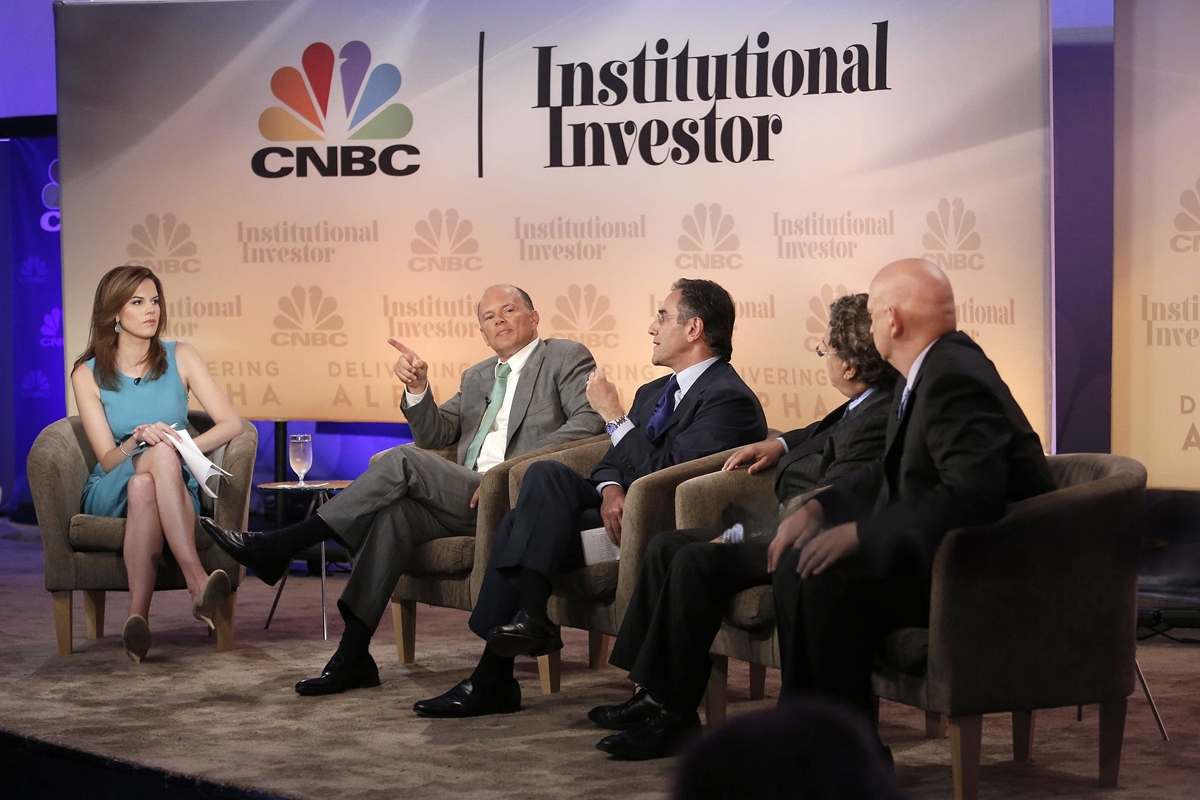
A prominent investment manager has downsized its holdings in a global electronics supplier, according to a recent filing with the U.S. Securities and Exchange Commission. The disclosure, made through a standard 13F report, highlights a reduced equity position during the latest reporting quarter. The development arrives at a time when global technology supply chains are navigating cyclical demand shifts, AI-driven capital expenditure cycles, and persistent geopolitical risk.
Understanding the SEC Filing and Institutional Signals
Institutional investors managing more than $100 million in U.S. equity assets are required to disclose holdings quarterly via Form 13F. While these filings are backward-looking, they often serve as indicators of evolving portfolio strategy. A reduction in a large-cap electronics supplier can reflect several factors: profit-taking after a rally, sector rotation, liquidity management, or reassessment of near-term earnings risk.
In recent quarters, electronics manufacturers and component suppliers have experienced uneven demand recovery. After pandemic-era supply bottlenecks gave way to inventory corrections in 2023 and early 2024, investors have been recalibrating expectations. A trimming of exposure may therefore represent risk management rather than a fundamental bearish view.
For Israeli investors and institutions with exposure to global tech supply chains—including companies linked to semiconductor design and advanced manufacturing—the move underscores how quickly capital flows can shift in response to macro signals and earnings guidance revisions.
Sector Backdrop: Cyclicality Meets AI Expansion
The global electronics supply ecosystem sits at the intersection of consumer demand cycles and structural AI-driven growth. On one hand, traditional end markets such as smartphones, PCs, and industrial equipment have shown moderate recovery but remain sensitive to interest rates and global growth conditions. On the other, artificial intelligence infrastructure spending continues to support demand for high-performance chips, memory modules, and advanced components.
If the electronics supplier in question has significant exposure to consumer-facing segments, investors may be reassessing earnings visibility amid softer discretionary spending trends. Conversely, suppliers tied closely to data centers and AI hardware may benefit from sustained capital expenditure commitments by hyperscalers.
The downsizing reflected in the SEC filing may therefore signal a nuanced view: institutional managers could be reallocating capital toward higher-growth AI pure plays while trimming diversified suppliers whose revenue mix is more cyclical.
Market Reaction and Strategic Interpretation
Historically, disclosures of institutional position changes can influence short-term market sentiment, particularly when large asset managers are involved. However, professional investors often caution against overinterpreting a single filing. Position size reductions do not necessarily imply a full exit or loss of conviction; they may simply represent tactical adjustments within a diversified portfolio.
Moreover, with equity markets near cyclical highs in several regions, many managers are adopting a more defensive stance. Higher interest rates relative to pre-2022 levels continue to shape equity valuation models, particularly for capital-intensive manufacturers. Electronics suppliers operating with tighter margins may face greater scrutiny around free cash flow generation and debt profiles.
From a global perspective, supply chain resilience, geopolitical tensions involving key manufacturing hubs, and export controls remain variables that institutional investors must continuously evaluate.
Looking ahead, market participants will monitor upcoming earnings reports, order backlog trends, and management guidance for signs of sustained demand recovery or margin pressure. Investors should also track broader semiconductor industry data, inventory levels, and capital expenditure announcements from major technology companies. If AI-driven demand continues to offset cyclical softness, trimmed positions could be revisited. Conversely, if global growth slows or electronics demand weakens further, portfolio rotations away from cyclical suppliers may accelerate. The coming quarters will determine whether this institutional downsizing proves to be precautionary positioning or an early indicator of deeper sector recalibration.
Comparison, examination, and analysis between investment houses
Leave your details, and an expert from our team will get back to you as soon as possible
* This article, in whole or in part, does not contain any promise of investment returns, nor does it constitute professional advice to make investments in any particular field.
To read more about the full disclaimer, click here
- Lior mor
- •
- 7 Min Read
- •
- ago 53 seconds
SKN | Amazon vs. Walmart: Which Retail Giant Is Winning the U.S. Consumer in 2026?
The battle for the American consumer has rarely been this intense. In 2026, Walmart has surged roughly 20% year-to-date, reaching
- ago 53 seconds
- •
- 7 Min Read

The battle for the American consumer has rarely been this intense. In 2026, Walmart has surged roughly 20% year-to-date, reaching
- Lior mor
- •
- 7 Min Read
- •
- ago 2 hours
SKN | NVIDIA Stock Holds Above $183 as AI Momentum Rebuilds – Can NVDA Extend Its February Breakout?
NVIDIA Corporation (NVDA) traded higher on February 17, gaining 0.61% to $183.89 as of late morning U.S. trading. The
- ago 2 hours
- •
- 7 Min Read

NVIDIA Corporation (NVDA) traded higher on February 17, gaining 0.61% to $183.89 as of late morning U.S. trading. The

- Ronny Mor
- •
- 7 Min Read
- •
- ago 3 hours
SKN | Are Software Stock Bulls Making a Dangerous Assumption About AI-Driven Growth?
Software equities have staged a powerful rally over the past year, fueled by optimism around artificial intelligence, recurring revenue
- ago 3 hours
- •
- 7 Min Read

Software equities have staged a powerful rally over the past year, fueled by optimism around artificial intelligence, recurring revenue

- sagi habasov
- •
- 7 Min Read
- •
- ago 6 hours
SKN | Danaher to Acquire Masimo in $9.9 Billion Deal: Strategic Expansion or Defensive Healthcare Bet?
Danaher Corporation has agreed to acquire Masimo Corporation in a transaction valued at approximately $9.9 billion, marking one of
- ago 6 hours
- •
- 7 Min Read

Danaher Corporation has agreed to acquire Masimo Corporation in a transaction valued at approximately $9.9 billion, marking one of

