


- omer bar
- •
- 7 Min Read
- •
- 35 minutes ago
Key Points
- US gasoline prices jumped sharply despite record domestic oil production.
- Rising crude oil prices driven by geopolitical tensions are pushing refining costs higher.
- Global oil pricing dynamics mean American consumers remain exposed to international energy shocks.
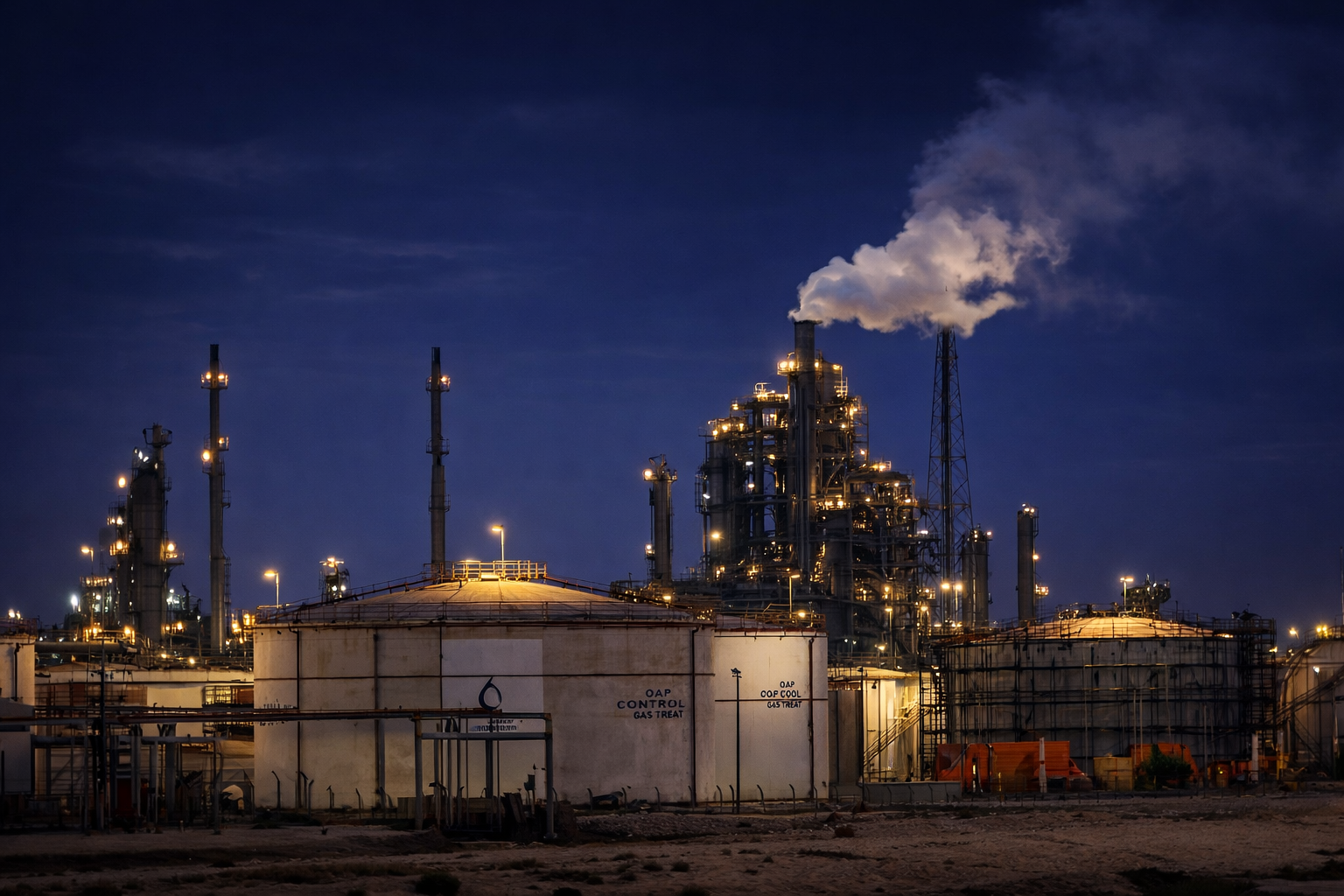
Gasoline prices in the United States have begun rising rapidly even though the country remains the world’s largest oil producer, highlighting a fundamental reality of global energy markets: domestic production does not shield consumers from international price shocks. Since tensions escalated in the Middle East, crude oil prices have surged dramatically, driving higher fuel costs across the United States. The national average gasoline price has climbed to about $3.32 per gallon, up roughly 38 cents in just one week, illustrating how quickly geopolitical disruptions can ripple through energy markets and affect everyday consumers.
Global Oil Markets Drive Domestic Fuel Prices
Although the United States produces more than 13 million barrels of crude oil per day, domestic fuel prices are largely determined by global supply and demand dynamics rather than national production alone. Oil is traded in international markets where price benchmarks such as West Texas Intermediate and Brent crude set the tone for energy costs worldwide.
In recent days, crude prices have surged following escalating geopolitical tensions in the Middle East. West Texas Intermediate crude rose roughly 38% during the week, briefly surpassing $92 per barrel before moderating slightly. Brent crude, the global benchmark used in many international transactions, climbed more than 28% and briefly traded above $94 per barrel.
Because oil is priced globally, even countries that produce large volumes of crude remain vulnerable to supply disruptions elsewhere. When international prices rise, U.S. refineries must still pay higher costs for crude oil, regardless of whether it originates domestically or from imports.
The Refining Process Amplifies Price Changes
The relationship between crude oil prices and gasoline costs is also shaped by the refining process. Gasoline is produced by refining and blending various grades of crude oil, which means refiners’ input costs move closely with the global price of oil.
When crude prices rise sharply, refiners experience higher operating costs and pass those increases along to distributors and retailers. This chain reaction ultimately results in higher prices at the pump for consumers.
The impact often extends beyond gasoline itself. Diesel, jet fuel, and other petroleum products are affected by the same pricing dynamics, influencing transportation costs and industrial activity across multiple sectors. As energy becomes more expensive, the effects can spread throughout the broader economy, raising shipping expenses, utility bills, and manufacturing costs.
Energy Shock Ripples Through the Economy
Rising fuel prices are not just a consumer issue; they also carry broader economic implications. Higher gasoline costs can reduce disposable income for households, particularly in regions where driving is essential for commuting and daily activities. At the same time, businesses face increased operating expenses tied to logistics, transportation, and energy usage.
The recent surge in oil prices illustrates how geopolitical instability can amplify economic uncertainty. Energy analysts note that disruptions affecting oil infrastructure, shipping routes, or production capacity can rapidly translate into higher costs across industries.
Looking ahead, the trajectory of gasoline prices will depend largely on developments in global energy markets. If geopolitical tensions ease and crude prices stabilize, fuel costs may gradually decline. However, if supply disruptions persist or expand, energy markets could remain volatile, keeping upward pressure on prices for both consumers and businesses.
Comparison, examination, and analysis between investment houses
Leave your details, and an expert from our team will get back to you as soon as possible
* This article, in whole or in part, does not contain any promise of investment returns, nor does it constitute professional advice to make investments in any particular field.
To read more about the full disclaimer, click here
- sagi habasov
- •
- 6 Min Read
- •
- ago 3 hours
SKN | Which Chinese Stocks Could Benefit From the Oil Price Surge? Energy Rally Creates New Market Opportunities
The sharp surge in global oil prices is beginning to reshape investment opportunities across international markets, with analysts highlighting a
- ago 3 hours
- •
- 6 Min Read

The sharp surge in global oil prices is beginning to reshape investment opportunities across international markets, with analysts highlighting a

- omer bar
- •
- 7 Min Read
- •
- ago 7 hours
SKN | Can Europe Finally Break From Russian Oil? Pipeline Disruptions Test Hungary and Slovakia
A sudden shutdown of Russian oil flows through a key pipeline in Ukraine is reshaping Europe’s energy and political landscape,
- ago 7 hours
- •
- 7 Min Read
A sudden shutdown of Russian oil flows through a key pipeline in Ukraine is reshaping Europe’s energy and political landscape,
- sagi habasov
- •
- 7 Min Read
- •
- ago 2 days
SKN | U.S. Crude Surges Nearly 10% as Global Buyers Rush for Barrels, Narrowing the Gap With Brent
Prices for U.S. crude oil surged nearly 10% in recent trading, rapidly closing the price gap with Brent crude,
- ago 2 days
- •
- 7 Min Read
Prices for U.S. crude oil surged nearly 10% in recent trading, rapidly closing the price gap with Brent crude,

- Ronny Mor
- •
- 6 Min Read
- •
- ago 7 days
SKN | Will Oil Surge Past $100 as Strikes on Iran Threaten the Strait of Hormuz?
Oil markets are bracing for volatility as U.S. and Israeli strikes on Iran raise the specter of supply disruptions across
- ago 7 days
- •
- 6 Min Read

Oil markets are bracing for volatility as U.S. and Israeli strikes on Iran raise the specter of supply disruptions across

