


- sagi habasov
- •
- 7 Min Read
- •
- 5 hours ago
Key Points
- Accelerated depreciation significantly reduces Big Tech’s federal tax burdens.
- AI-related capital expenditures now benefit from immediate expensing, improving cash flow.
- The policy shift may accelerate infrastructure investment but raises questions about distributional equity and long-term returns.
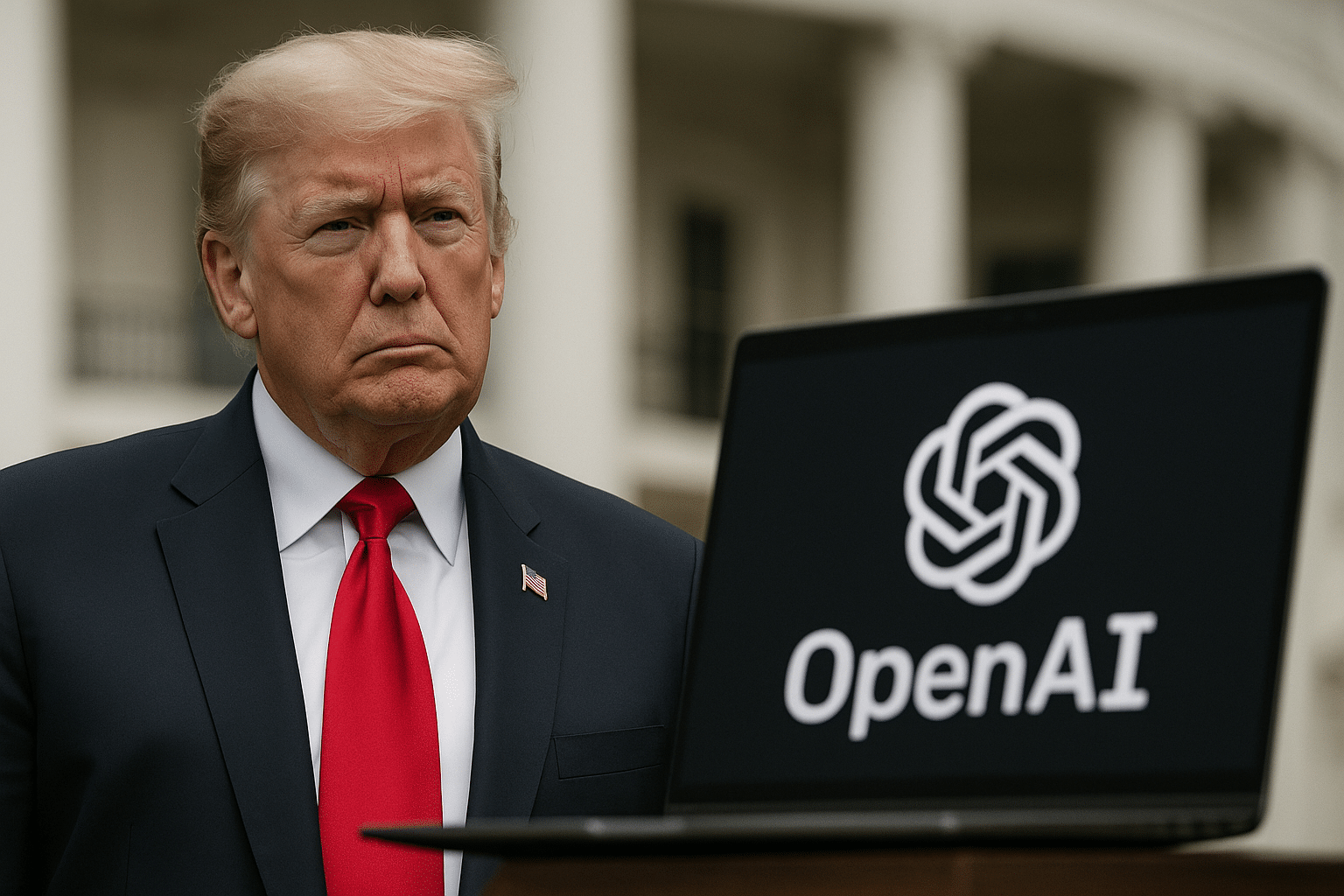
President Donald Trump’s latest corporate tax overhaul is already reshaping the financial landscape for America’s largest technology companies. Google, Meta, Amazon and Tesla are among the biggest beneficiaries, leveraging new provisions that dramatically reduce federal tax obligations while freeing up billions of dollars for reinvestment. At a time when the administration is promoting middle-class tax relief, the scale of corporate savings underscores how capital-intensive industries—particularly artificial intelligence—stand to gain the most.
Analysts estimate that roughly $51 billion in profits across these companies may go untaxed this year, reflecting the powerful impact of accelerated depreciation and research and development (R&D) expensing provisions embedded in the GOP-backed legislation.
Accelerated Depreciation and the Mechanics of Tax Relief
At the heart of the tax windfall lies the restoration of full and immediate deductions for domestic R&D and qualifying capital expenditures. Instead of spreading these deductions over several years, corporations can now expense them upfront, significantly lowering current-year tax liabilities.
Amazon provides a striking example. Despite reporting $89 billion in profits for 2025—up 45% year-over-year—the company’s federal tax bill fell to just $1.2 billion from $9 billion in 2024, translating to an effective tax rate of approximately 1.4%. Such figures illustrate how timing shifts in tax treatment can meaningfully alter cash flow dynamics without reducing underlying profitability.
Proponents argue that accelerated depreciation stimulates economic growth by encouraging companies to frontload investments in infrastructure, equipment and innovation. Critics counter that the benefits disproportionately accrue to the largest firms with the capital to deploy at scale.
AI Infrastructure: The Real Beneficiary
The knock-on effects for artificial intelligence investment are particularly significant. AI infrastructure—data centers, servers, networking hardware, advanced cooling systems—qualifies for full expensing under the revised rules. This effectively lowers the after-tax cost of building the computational backbone of next-generation AI models.
Meta has publicly acknowledged the impact. The company disclosed that accelerated depreciation reduced its federal tax obligations by roughly $5 billion. With plans to invest approximately $135 billion in capital expenditures this year—nearly double the prior year—much of it devoted to AI facilities, the tax savings materially enhance liquidity and flexibility.
In macroeconomic terms, the legislation acts as an investment accelerator. By preserving near-term cash flow, companies can sustain longer capital expenditure cycles, reinforcing competitive advantages in an AI race that increasingly demands scale and speed.
Strategic Implications and Political Optics
While corporate America welcomes the provisions, the optics are complex. The administration has simultaneously promoted broader family-focused tax benefits, yet the absolute dollar impact appears far more dramatic for multinational technology firms. The contrast could become a focal point in future political debates.
From an investor perspective, however, the immediate takeaway is clear: tax efficiency amplifies capital allocation capacity. Firms already leading in AI research now operate with extended financial runway, potentially widening the moat against smaller competitors unable to replicate such spending levels.
Looking ahead, markets will monitor whether the accelerated capital cycle translates into sustainable revenue growth or merely inflates valuation multiples. The AI buildout remains capital-intensive, and the long-term return on these investments is not guaranteed. Yet in the near term, the tax framework has unmistakably strengthened Big Tech’s hand in shaping the next phase of digital infrastructure.
Comparison, examination, and analysis between investment houses
Leave your details, and an expert from our team will get back to you as soon as possible
* This article, in whole or in part, does not contain any promise of investment returns, nor does it constitute professional advice to make investments in any particular field.
To read more about the full disclaimer, click here
- Lior mor
- •
- 7 Min Read
- •
- ago 2 minutes
SKN | Can Anthropic’s Appointment of Ex-Microsoft CFO Chris Liddell Ease Tensions With the Trump Administration?
Anthropic has added veteran executive and political figure Chris Liddell to its board of directors, a move that appears as
- ago 2 minutes
- •
- 7 Min Read

Anthropic has added veteran executive and political figure Chris Liddell to its board of directors, a move that appears as

- Ronny Mor
- •
- 6 Min Read
- •
- ago 6 hours
SKN | Can Europe Achieve Full Tech Sovereignty? Capgemini CEO Pushes Back on Calls for Total Autonomy
As geopolitical friction reshapes global alliances, calls for full European technological sovereignty are growing louder. Yet Capgemini CEO Aiman Ezzat
- ago 6 hours
- •
- 6 Min Read

As geopolitical friction reshapes global alliances, calls for full European technological sovereignty are growing louder. Yet Capgemini CEO Aiman Ezzat

- omer bar
- •
- 6 Min Read
- •
- ago 16 hours
SKN | Amazon’s Ring Ends Flock Partnership Following Super Bowl Ad Backlash
Amazon’s Ring has announced the termination of its partnership with Flock, a neighborhood security platform, following widespread criticism of a
- ago 16 hours
- •
- 6 Min Read

Amazon’s Ring has announced the termination of its partnership with Flock, a neighborhood security platform, following widespread criticism of a
- Ronny Mor
- •
- 7 Min Read
- •
- ago 16 hours
SKN | Artificial Intelligence Expands Across Industries – Is the Acceleration Just Beginning?
Artificial intelligence is no longer confined to Silicon Valley or experimental research labs. As of early 2026, AI deployment is
- ago 16 hours
- •
- 7 Min Read

Artificial intelligence is no longer confined to Silicon Valley or experimental research labs. As of early 2026, AI deployment is

