


- Ronny Mor
- •
- 7 Min Read
- •
- 54 seconds ago
Key Points
- The Nasdaq ended its longest winning streak since 1992 after a 13 session rally
- Geopolitical tensions and rising oil prices triggered a shift in market sentiment
- Investors are now reassessing risk as markets transition from momentum to fundamentals
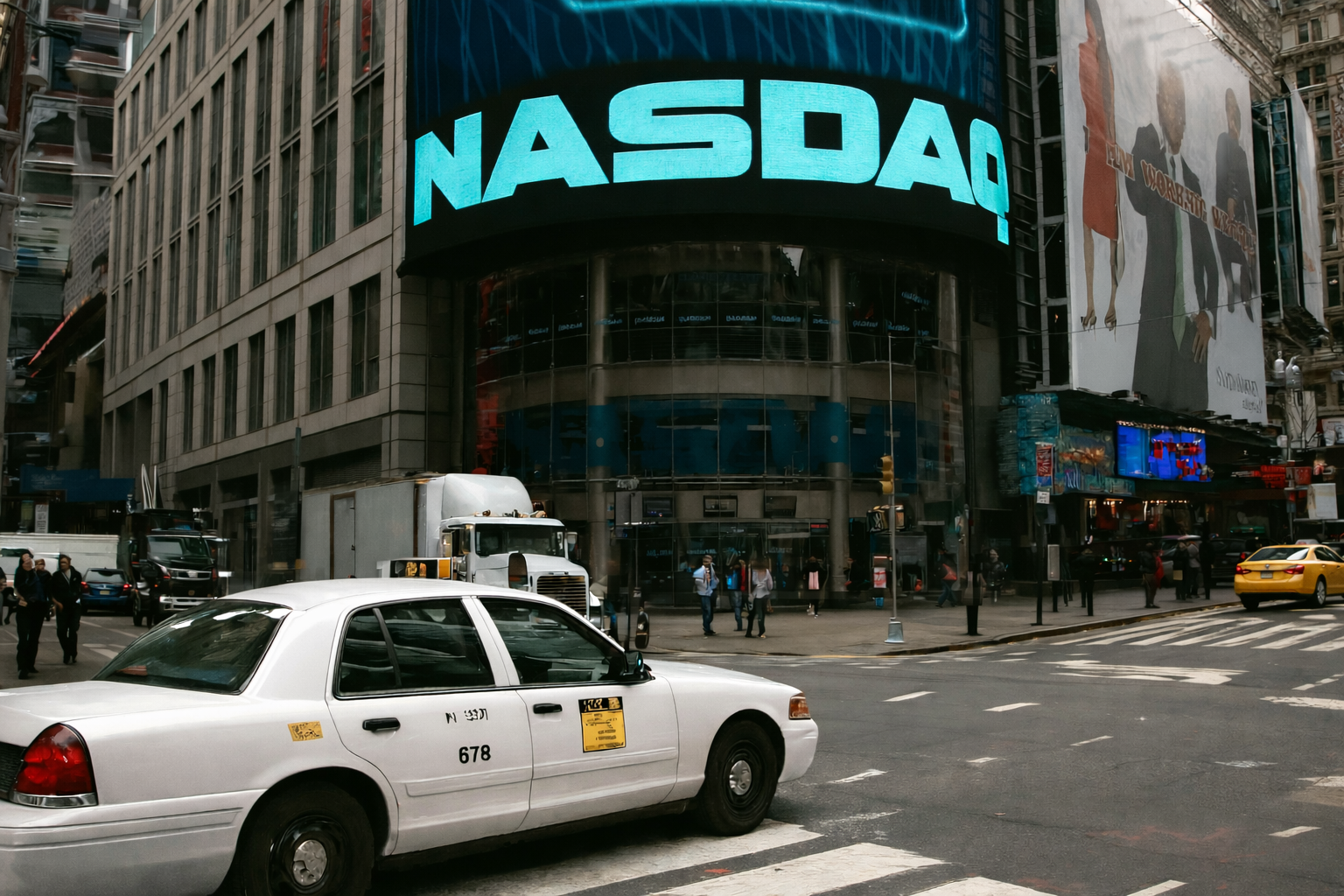
The Nasdaq Composite brought an end to its longest winning streak in more than three decades, closing lower on Monday after an extended rally that had driven the index to record levels. The tech heavy benchmark declined about 0.3 percent, while the S and P 500 slipped 0.2 percent and the Dow Jones Industrial Average remained nearly flat. The move reflects a shift in investor sentiment as markets pause to reassess risk following a period of strong gains fueled by optimism and momentum.
Geopolitical Risks Reenter the Market Narrative
The immediate catalyst for the pullback was renewed uncertainty surrounding US Iran relations. Investors adopted a more cautious stance as they awaited updates on potential negotiations, with tensions around the Strait of Hormuz continuing to influence global markets. This key energy corridor remains central to oil supply dynamics, and any disruption has direct implications for inflation and economic stability.
Rising oil prices linked to these developments have added pressure to equities, particularly in the technology sector. Growth stocks are especially sensitive to inflation expectations and interest rate outlooks, meaning that even modest increases in energy costs can lead to valuation adjustments. The market reaction highlights how quickly sentiment can shift when geopolitical risks resurface.
A Historic Rally Driven by AI and Risk Appetite
The rally that preceded the decline was notable both in length and intensity. Over 13 consecutive sessions, the Nasdaq posted gains supported by strong demand for artificial intelligence related stocks and a broader improvement in risk appetite. Investors were increasingly confident that geopolitical tensions might ease, creating a favorable backdrop for growth oriented sectors.
This period of sustained gains reflected a market environment driven by momentum, where capital flowed heavily into technology leaders. The strength of the rally underscored the central role of innovation driven themes, particularly artificial intelligence, in shaping investor behavior and market performance.
Early Signs of Rotation and Market Maturity
Even before the streak ended, there were indications that the rally was beginning to lose breadth. Some large capitalization technology stocks showed signs of slowing momentum, while other sectors started to attract investor interest. This type of divergence often signals a transition phase, where markets move from broad based rallies to more selective opportunities.
Such rotation is a natural part of market cycles. As valuations rise and risks evolve, investors begin to rebalance portfolios, shifting capital toward areas with more attractive risk reward profiles. The recent pullback can therefore be interpreted as a normalization process rather than a fundamental change in market direction.
Outlook Shifts Toward Fundamentals and Risk Management
Looking ahead, the market is entering a phase where fundamentals are likely to play a more prominent role. Corporate earnings, economic data, and geopolitical developments will all influence the next direction of equities. The sustainability of the artificial intelligence driven growth narrative will be particularly important in determining whether technology stocks can maintain leadership.
At the same time, investors are becoming more sensitive to external risks, especially those related to energy markets and global conflict. This heightened awareness may lead to increased volatility, but it also creates opportunities for more disciplined positioning.
The end of the Nasdaq historic winning streak does not necessarily signal a reversal. Instead, it marks a transition from a momentum driven rally to a more balanced market environment, where growth expectations must align with broader economic realities and evolving global conditions.
Comparison, examination, and analysis between investment houses
Leave your details, and an expert from our team will get back to you as soon as possible
* This article, in whole or in part, does not contain any promise of investment returns, nor does it constitute professional advice to make investments in any particular field.
To read more about the full disclaimer, click here
- orshu
- •
- 6 Min Read
- •
- ago 1 hour
SKN | Markets Pause on April 20, 2026 as Volatility Spikes and Tech Momentum Slows
U.S. equity markets ended Monday, April 20, 2026, on a mixed note as investors paused following a strong rally in
- ago 1 hour
- •
- 6 Min Read

U.S. equity markets ended Monday, April 20, 2026, on a mixed note as investors paused following a strong rally in
- orshu
- •
- 6 Min Read
- •
- ago 3 hours
SKN | VIX Climbs as Market Uncertainty Builds During Active Trading Session
The CBOE Volatility Index (VIX) moved higher on April 20, reflecting a shift in market sentiment toward caution as
- ago 3 hours
- •
- 6 Min Read
The CBOE Volatility Index (VIX) moved higher on April 20, reflecting a shift in market sentiment toward caution as
- orshu
- •
- 6 Min Read
- •
- ago 6 hours
SKN | European Markets Close Lower as Core Indices Slide and Defensive Tone Builds
European markets closed on April 20 with a clear downward bias, as major indices across the region ended the
- ago 6 hours
- •
- 6 Min Read

European markets closed on April 20 with a clear downward bias, as major indices across the region ended the
- orshu
- •
- 8 Min Read
- •
- ago 6 hours
SKN |Monday, April 20, 2026 – Israel Stock Market Closes Higher Despite Weak Breadth as Tel Aviv-125 Gains While Bonds Decline
Israeli markets closed slightly higher on Monday, April 20, 2026, as headline indices advanced despite signs of internal weakness. While
- ago 6 hours
- •
- 8 Min Read

Israeli markets closed slightly higher on Monday, April 20, 2026, as headline indices advanced despite signs of internal weakness. While

