


- sagi habasov
- •
- 7 Min Read
- •
- 3 hours ago
Key Points
- Hapag-Lloyd agreed to acquire Zim Integrated Shipping Services for $4.2 billion, offering a 65% premium at $35 per share.
- The deal will be financed through cash reserves and up to $2.5 billion in external funding, pending Israeli state and regulatory approvals.
- The transaction reshapes the container shipping landscape amid volatile freight rates and ongoing global trade disruptions.
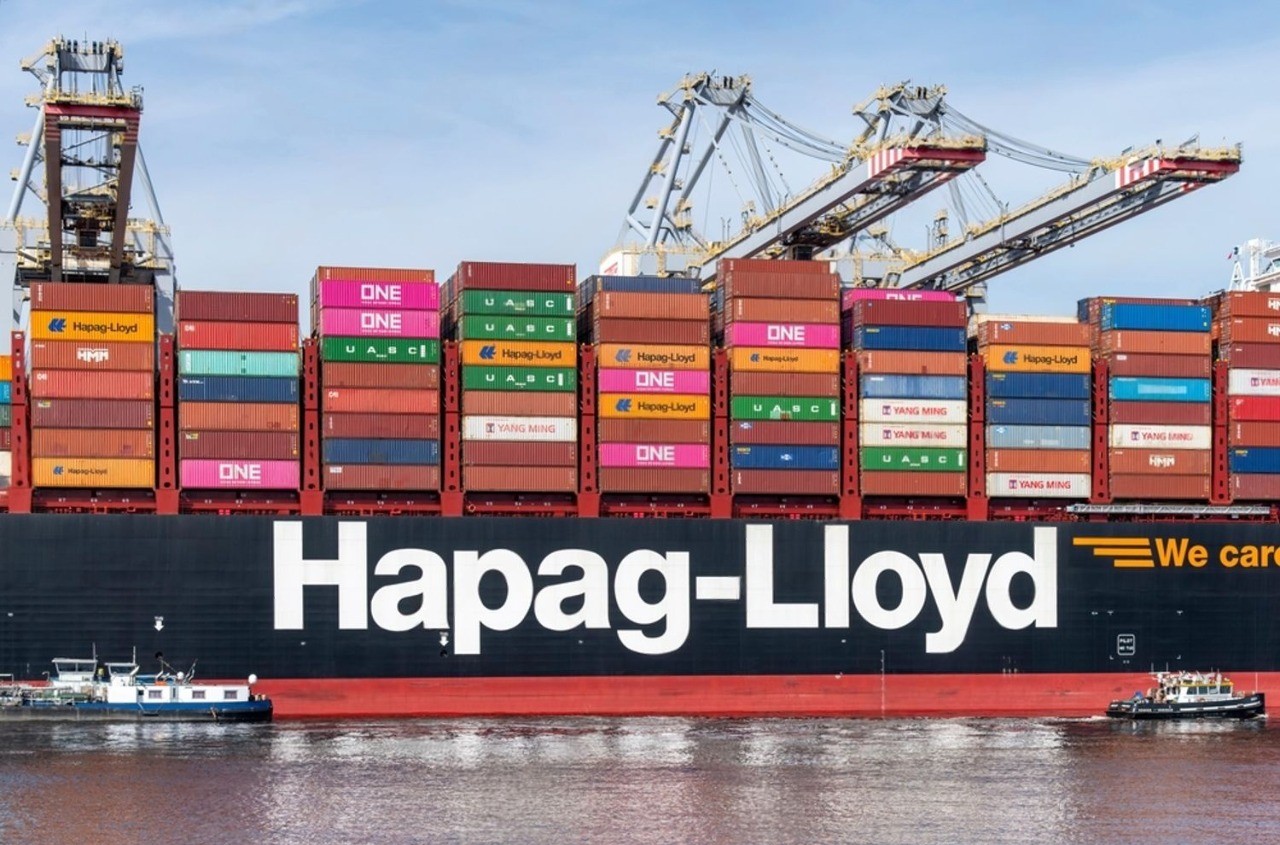
Hapag-Lloyd’s $4.2 billion agreement to acquire Israel-based Zim Integrated Shipping Services marks one of the most significant consolidation moves in the global container shipping industry in recent years. The German carrier is offering $35 per share in cash — a 65% premium to Zim’s prior closing price — underscoring both strategic urgency and confidence in long-term trade fundamentals despite short-term volatility.
The proposed transaction, expected to close by year-end subject to regulatory and shareholder approval, reflects a broader recalibration in global shipping as operators seek scale, cost efficiencies and network flexibility in a post-pandemic freight environment characterized by fluctuating rates and geopolitical tension.
Strategic Rationale Amid Rate Volatility
Zim, which operates a fleet of approximately 129 vessels under a charter-intensive model, has been navigating a sharp decline in freight rates following the pandemic-era shipping boom. The company recently reported a steep drop in third-quarter earnings, citing weaker container volumes and softening market conditions. Management has repeatedly flagged volatility in tariff policies and global trade flows, particularly along transpacific routes.
For Hapag-Lloyd, acquiring Zim expands its global footprint and enhances operational flexibility. Zim’s charter-heavy fleet structure allows for dynamic capacity management, while its gradual shift toward owned or long-term chartered vessels improves asset stability and fleet quality. The acquisition offers Hapag-Lloyd both network expansion and cost synergies at a time when consolidation can buffer earnings against cyclical downturns.
The premium valuation suggests Hapag-Lloyd views Zim not merely as a distressed asset, but as a strategically complementary platform capable of strengthening competitive positioning against major global carriers.
Financing Structure and Political Sensitivities
The acquisition will be funded through existing cash reserves and external financing of up to $2.5 billion. However, the transaction faces unique structural considerations. Zim is regarded as a strategic asset for Israel, with the state holding a “golden share” that grants veto power over certain ownership decisions.
To address these obligations, Hapag-Lloyd has reached an agreement with FIMI Opportunity Funds to establish a separate entity that will assume responsibilities linked to the special state rights. Twelve vessels and assets supporting three trade routes will be transferred to this new structure, preserving national interests while allowing the broader transaction to proceed.
Regulatory approval from Israeli authorities, Zim shareholders and other global regulators remains a key milestone before closing.
Consolidation Trend in Global Shipping
The deal follows months of strategic review by Zim’s independent board after receiving multiple takeover approaches. Earlier proposals, including one involving the company’s CEO and Israeli businessman Rami Ungar, were rejected for undervaluation.
With Zim’s market capitalization standing at roughly $2.7 billion prior to the announcement, the transaction represents a significant uplift for shareholders while signaling that larger carriers are actively positioning for the next shipping cycle.
Looking ahead, investors will monitor integration risks, regulatory clearance and broader freight-rate dynamics. If successfully executed, the acquisition could enhance Hapag-Lloyd’s earnings resilience while accelerating consolidation in an industry still adjusting to shifting trade patterns and geopolitical uncertainty.
As global supply chains remain vulnerable to tariff disputes and regional tensions, scale and balance sheet strength are likely to define competitive advantage in container shipping over the coming decade.
Comparison, examination, and analysis between investment houses
Leave your details, and an expert from our team will get back to you as soon as possible
* This article, in whole or in part, does not contain any promise of investment returns, nor does it constitute professional advice to make investments in any particular field.
To read more about the full disclaimer, click here
- Ronny Mor
- •
- 7 Min Read
- •
- ago 23 seconds
SKN | Nexo Returns to the U.S. After Regulatory Clash: A Strategic Comeback for Crypto Lending?
Crypto lender Nexo is returning to the United States nearly three years after halting operations following enforcement actions tied
- ago 23 seconds
- •
- 7 Min Read

Crypto lender Nexo is returning to the United States nearly three years after halting operations following enforcement actions tied

- orshu
- •
- 6 Min Read
- •
- ago 10 hours
SKN | Tel Aviv Market Opens Higher as Equity and Bond Indices Show Modest Gains
The Tel Aviv market opened on February 16, 2026, with a generally positive tone across both equity and bond segments.
- ago 10 hours
- •
- 6 Min Read

The Tel Aviv market opened on February 16, 2026, with a generally positive tone across both equity and bond segments.
- orshu
- •
- 7 Min Read
- •
- ago 14 hours
SKN | Retail Giants and FOMC Minutes to Anchor Market Sentiment Amid Global Holiday Lull
The third week of February 2026 begins with a global holiday slowdown as major markets in the United States, China,
- ago 14 hours
- •
- 7 Min Read

The third week of February 2026 begins with a global holiday slowdown as major markets in the United States, China,

- sagi habasov
- •
- 8 Min Read
- •
- ago 16 hours
SKN I Asian Markets Open Mixed on February 16 as Lunar New Year Holidays Thin Regional Liquidity
Asian markets opened Monday, February 16, with a mixed tone as investors navigated a holiday-thinned trading environment across much of
- ago 16 hours
- •
- 8 Min Read

Asian markets opened Monday, February 16, with a mixed tone as investors navigated a holiday-thinned trading environment across much of

