


- omer bar
- •
- 7 Min Read
- •
- 24 minutes ago
Key Points
- Goldman Sachs is reportedly pitching a new hedge fund strategy allowing investors to bet against corporate loans.
- The product targets growing concerns about credit quality in the leveraged loan market as interest rates remain elevated.
- Institutional investors are increasingly seeking hedging tools to manage exposure to corporate debt risks.
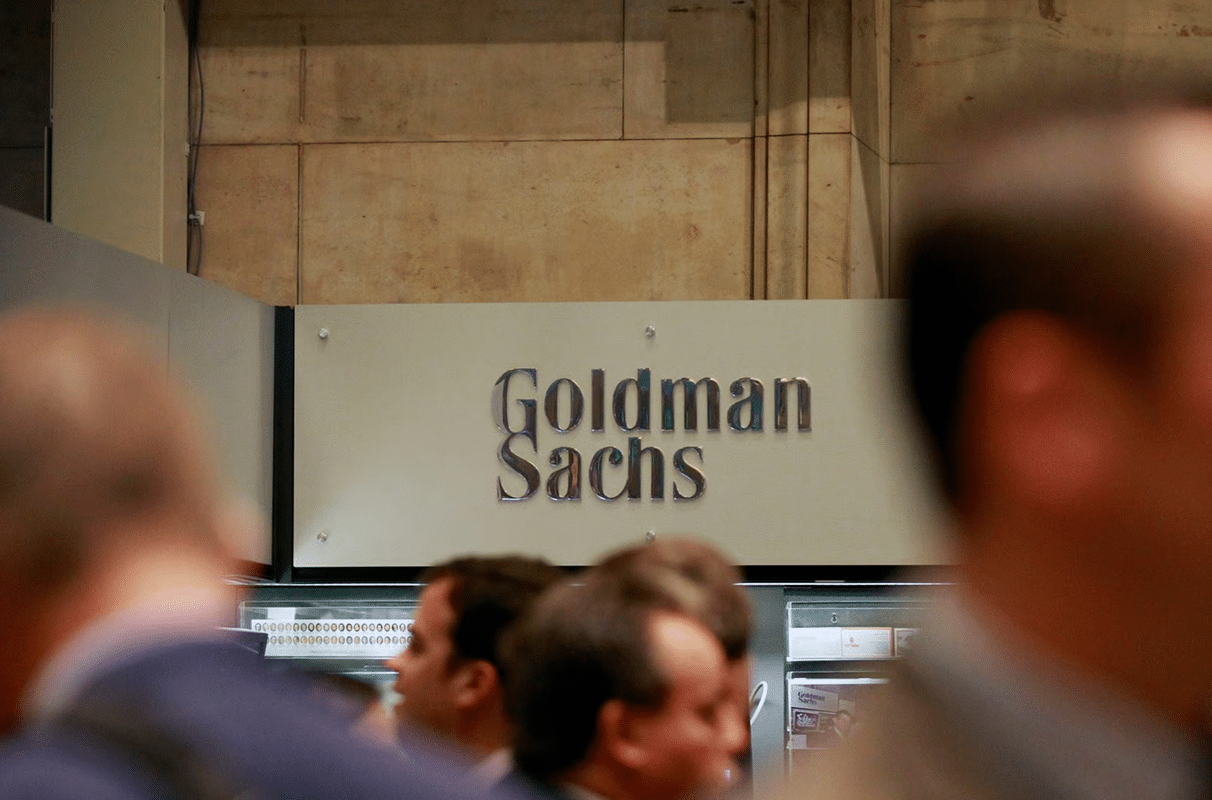
Investment bank Goldman Sachs is reportedly presenting hedge funds with a new strategy designed to profit from potential declines in the corporate loan market, according to people familiar with the matter. The move comes as investors grow more cautious about credit quality across leveraged loans and private credit markets following years of aggressive borrowing and a rapid tightening cycle by global central banks.
Goldman Targets Growing Concerns in the Leveraged Loan Market
The strategy being discussed with hedge fund clients would allow investors to take positions that benefit if the value of corporate loans declines or if credit conditions deteriorate. Leveraged loans—typically extended to highly indebted companies—have expanded significantly over the past decade, with the global market now estimated at more than $1.4 trillion, according to industry data.
Rising interest rates have increased borrowing costs for companies that rely heavily on floating-rate loans, a common feature in the leveraged loan market. As central banks such as the U.S. Federal Reserve have raised rates to combat inflation, interest payments for many highly leveraged borrowers have climbed sharply. That dynamic has fueled concerns that default rates could rise if economic growth slows or financial conditions tighten further.
By offering instruments that enable hedge funds to short or hedge exposure to corporate loans, Goldman appears to be responding to growing demand from institutional investors seeking protection against potential credit deterioration.
Investor Demand for Credit Hedging Tools Increases
Hedge funds and institutional investors have been actively searching for ways to hedge credit exposure as financial markets adjust to a higher-rate environment. In recent years, credit markets benefited from historically low interest rates and abundant liquidity, conditions that supported aggressive lending and investor appetite for higher-yielding debt instruments.
However, as monetary policy tightened globally, credit spreads—the difference between yields on corporate debt and government bonds—have shown signs of volatility. Investors are increasingly concerned that weaker borrowers could face refinancing challenges if capital markets become less accommodating.
Products designed to short corporate loans or gain from widening credit spreads are therefore attracting attention. Such strategies can serve both speculative purposes and portfolio risk management, particularly for funds with significant exposure to leveraged credit.
Implications for Global Credit Markets
Goldman Sachs’ reported initiative also reflects broader structural changes in the credit ecosystem. The rapid growth of private credit funds and leveraged loan issuance has transformed corporate financing, shifting significant lending activity away from traditional banking balance sheets toward institutional investors.
This shift has created a larger, more complex credit market that can be vulnerable to shifts in economic conditions. If growth slows or borrowing costs remain elevated, companies with high leverage may face increasing pressure, potentially leading to higher default rates and market repricing.
For global investors—including institutions in Israel that allocate capital to international credit strategies—such developments highlight the importance of monitoring credit quality trends across both public and private debt markets. Financial institutions are increasingly developing specialized tools and structured products to help investors navigate these evolving risks.
Looking ahead, market participants will closely track corporate default rates, refinancing activity, and central bank policy signals to assess the resilience of leveraged credit markets. If economic conditions tighten further, demand for hedging strategies against corporate loan exposure could continue to grow, potentially shaping the next phase of innovation in institutional credit trading.
Comparison, examination, and analysis between investment houses
Leave your details, and an expert from our team will get back to you as soon as possible
* This article, in whole or in part, does not contain any promise of investment returns, nor does it constitute professional advice to make investments in any particular field.
To read more about the full disclaimer, click here
- orshu
- •
- 7 Min Read
- •
- ago 10 hours
SKN | European Stocks Close Lower as Investors Weigh Economic Signals Across the Eurozone
European financial markets ended the trading session on March 9 with moderate declines across key equity benchmarks, reflecting cautious
- ago 10 hours
- •
- 7 Min Read

European financial markets ended the trading session on March 9 with moderate declines across key equity benchmarks, reflecting cautious

- Ronny Mor
- •
- 8 Min Read
- •
- ago 14 hours
SKN | Could a New $13 Billion US Display Factory Revive Japan Display and Challenge China’s Dominance?
The United States and Japan are exploring a joint display manufacturing plant with Japan Display as part of a broader
- ago 14 hours
- •
- 8 Min Read

The United States and Japan are exploring a joint display manufacturing plant with Japan Display as part of a broader

- Lior mor
- •
- 7 Min Read
- •
- ago 18 hours
SKN | Could South Korea’s $350 Billion U.S. Investment Plan Reshape Global Trade Alliances?
South Korea is moving closer to approving a massive investment framework that could channel up to $350 billion into the
- ago 18 hours
- •
- 7 Min Read

South Korea is moving closer to approving a massive investment framework that could channel up to $350 billion into the

- sagi habasov
- •
- 7 Min Read
- •
- ago 1 day
SKN | Can Emerging Markets Weather the Iran Shock? Investors Test the Strength of the EM Revival
The escalating conflict involving Iran has injected fresh volatility into global markets, challenging one of Wall Street’s most popular
- ago 1 day
- •
- 7 Min Read

The escalating conflict involving Iran has injected fresh volatility into global markets, challenging one of Wall Street’s most popular

