


- Ronny Mor
- •
- 7 Min Read
- •
- 1 hour ago
Key Points
- Gold climbs above the psychologically critical $5,000 level as dip-buyers step in during thin trading conditions.
- Lower liquidity amplifies price swings, reinforcing gold’s role as a macro hedge amid rate and currency uncertainty.
- Institutional flows, central bank demand, and geopolitical risks continue to underpin structural support for bullion.
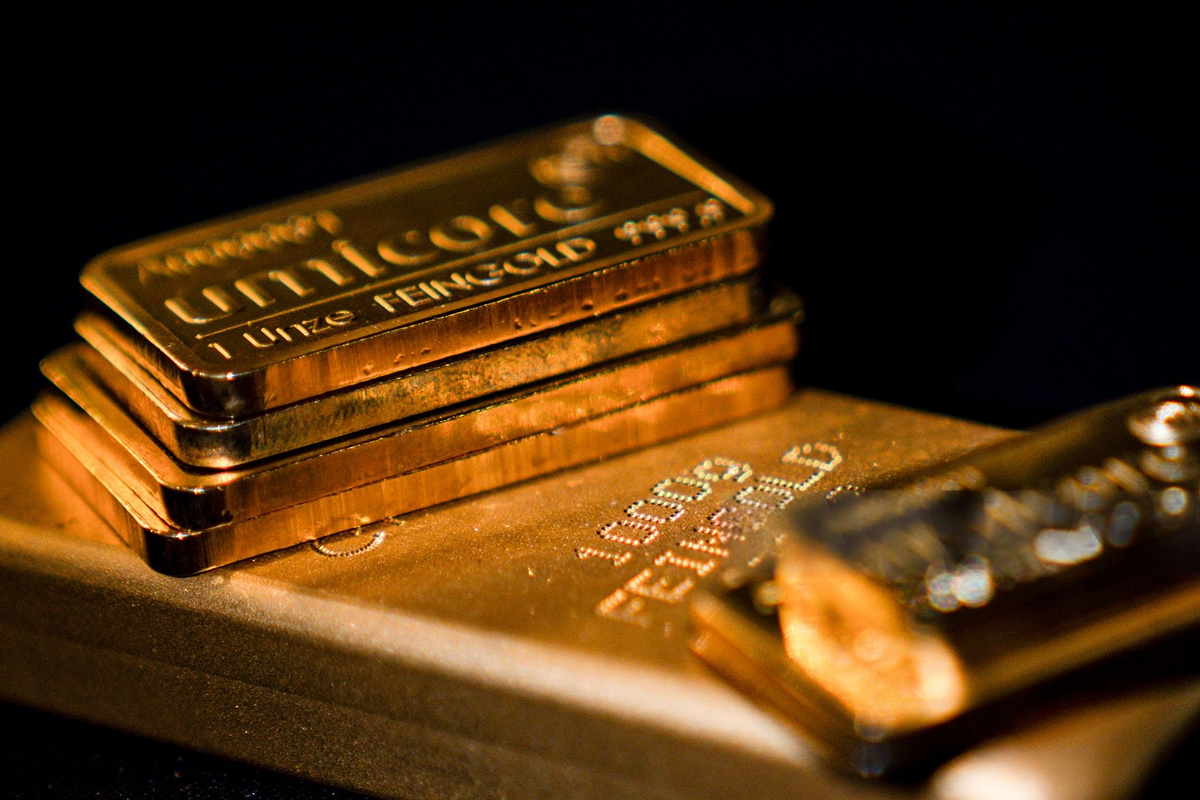
Gold pushed decisively above the $5,000 mark, attracting renewed buying interest as thin trading conditions magnified upward momentum. The move comes against a backdrop of fluctuating bond yields, a mixed US dollar, and persistent geopolitical and macroeconomic uncertainty, reinforcing bullion’s appeal as both a hedge and a liquidity refuge.
Liquidity Conditions Amplify the Breakout
The breach of the $5,000 threshold carries significant psychological weight in global markets. In periods of reduced liquidity—often tied to seasonal or holiday-thinned sessions—price movements can become exaggerated as fewer counterparties absorb large trades. The latest rally appears partly driven by opportunistic dip-buyers capitalizing on prior consolidation, triggering momentum-driven flows once resistance levels gave way.
Historically, gold tends to exhibit sharper intraday swings when liquidity tightens, particularly when macro catalysts are absent but positioning remains elevated. The move above $5,000 may reflect short covering and technical momentum as much as fundamental revaluation. However, the resilience of buying interest suggests underlying demand remains intact.
Macro Drivers: Rates, Dollar, and Safe-Haven Demand
Gold’s performance remains tightly linked to real yields and currency dynamics. When US Treasury yields stabilize or decline, the opportunity cost of holding non-yielding assets like gold falls, often supporting higher prices. Meanwhile, fluctuations in the US dollar play a critical role; a softer dollar typically enhances bullion’s attractiveness to international buyers.
Beyond rate mechanics, structural demand from central banks has become an increasingly important pillar. Over recent years, emerging market central banks have diversified reserves, adding gold to reduce reliance on dollar-denominated assets. Such purchases provide a steady demand floor even during periods of speculative volatility.
Geopolitical uncertainty also continues to shape investor behavior. Heightened tensions, trade fragmentation, and global political risk elevate gold’s appeal as a store of value. For Israeli investors and institutions, exposure to gold often serves as a portfolio stabilizer during regional or global instability, reinforcing its strategic allocation role.
Broader Market Implications
The breakout above $5,000 reverberates beyond the bullion market. Gold mining equities may experience renewed investor attention as higher spot prices improve margin potential, assuming input costs remain contained. At the same time, ETF flows into physically backed gold products could accelerate if institutional allocators interpret the move as confirmation of a sustained uptrend.
Conversely, sustained strength in gold sometimes signals defensive positioning in broader capital markets. Equity investors monitor gold’s trajectory as a sentiment gauge—persistent rallies during stable equity conditions may reflect underlying macro caution rather than outright risk-off panic.
Commodities more broadly remain sensitive to global growth expectations. If gold’s rise is driven primarily by macro hedging rather than inflationary demand, other industrial commodities may not follow in tandem. The divergence between precious metals and growth-sensitive assets could provide insight into market expectations for economic momentum.
Looking ahead, the durability of gold’s advance above $5,000 will depend on several converging factors: real interest rate direction, central bank policy signals, dollar strength, and geopolitical developments. Sustained consolidation above this level could reinforce technical momentum, while a swift retracement may indicate liquidity-driven volatility rather than structural repricing. Investors will closely monitor bond yield trends and global risk sentiment to assess whether this breakout represents a new phase in the long-term bull cycle or a temporary spike within a broader consolidation range.
Comparison, examination, and analysis between investment houses
Leave your details, and an expert from our team will get back to you as soon as possible
* This article, in whole or in part, does not contain any promise of investment returns, nor does it constitute professional advice to make investments in any particular field.
To read more about the full disclaimer, click here
- orshu
- •
- 7 Min Read
- •
- ago 2 minutes
SKN | Fed Minutes Signal Caution as Buffett’s Amazon Bet and Rising Oil Prices Reshape Market Narrative
Global markets are recalibrating as the latest Federal Reserve minutes highlight policymakers’ caution on inflation, while renewed attention to
- ago 2 minutes
- •
- 7 Min Read

Global markets are recalibrating as the latest Federal Reserve minutes highlight policymakers’ caution on inflation, while renewed attention to
- orshu
- •
- 7 Min Read
- •
- ago 2 hours
SKN | Are AI Fears Fading as Dow, S&P 500 and Nasdaq Edge Higher Ahead of Fed Minutes?
US equities moved modestly higher on Wednesday, signaling a pause in the artificial intelligence-driven turbulence that has rattled markets in
- ago 2 hours
- •
- 7 Min Read

US equities moved modestly higher on Wednesday, signaling a pause in the artificial intelligence-driven turbulence that has rattled markets in
- orshu
- •
- 7 Min Read
- •
- ago 4 hours
SKN | Israel Market Close Today, February 18, 2026: Large Caps Lead Broad Rebound as Bonds Slip Slightly
Israeli financial markets closed today, February 18, 2026, with renewed upside momentum as equities recovered from the prior session’s mixed
- ago 4 hours
- •
- 7 Min Read

Israeli financial markets closed today, February 18, 2026, with renewed upside momentum as equities recovered from the prior session’s mixed
- orshu
- •
- 8 Min Read
- •
- ago 8 hours
SKN | Gold Regains Ground After Two-Day Drop: Is the Bull Market Resetting Ahead of Fed Minutes?
Gold rebounded above $4,900 an ounce in thin holiday trading, as dip-buyers returned after a sharp two-day slide and investors
- ago 8 hours
- •
- 8 Min Read

Gold rebounded above $4,900 an ounce in thin holiday trading, as dip-buyers returned after a sharp two-day slide and investors

