


- sagi habasov
- •
- 6 Min Read
- •
- 16 hours ago
Key Points
- Gold prices have climbed back toward record levels as geopolitical tensions in the Middle East increase demand for defensive assets.
- U.S. Treasury yields and the dollar remain critical variables shaping the metal’s near-term trajectory.
- Israeli and global investors are reassessing portfolio hedging strategies as volatility rises across equities and energy markets.

Gold prices have strengthened in recent sessions as escalating conflict in the Middle East drives investors toward traditional safe-haven assets. Spot gold recently traded near the $2,300–$2,400 per ounce range, not far from the all-time highs recorded earlier this year, reflecting heightened geopolitical uncertainty and renewed hedging activity. The move comes as global equity markets show increased volatility and energy prices respond sharply to regional instability.
Safe-Haven Demand Reasserts Itself
Historically, gold has benefited during periods of geopolitical stress, and the current environment appears consistent with that pattern. Heightened military activity in the Middle East — a region central to global energy supply — has increased concerns about potential supply disruptions and broader macroeconomic spillovers. Brent crude has fluctuated above $80 per barrel in recent weeks, reinforcing inflation sensitivities that tend to support bullion prices.
Exchange-traded funds backed by physical gold have seen renewed inflows after periods of outflows earlier in the year, according to industry data. Central bank demand, which reached multi-decade highs in 2022 and 2023 based on World Gold Council figures, remains an underlying structural pillar. For institutional investors, gold’s appeal lies less in short-term speculation and more in portfolio diversification during tail-risk events.
Interest Rates, the Dollar, and Real Yields
While geopolitical tensions provide the catalyst, gold’s sustainability at elevated levels depends largely on U.S. monetary policy and real yields. The metal tends to perform well when real interest rates decline or when expectations of rate cuts increase. Recent economic data from the United States has shown mixed signals on inflation and labor market resilience, contributing to fluctuating Treasury yields.
The U.S. dollar index (DXY) also plays a central role. A stronger dollar can temper gold’s gains by making it more expensive for non-dollar buyers. Conversely, any softening in the dollar — particularly if linked to dovish Federal Reserve guidance — could provide additional support. For Israeli investors, currency dynamics add another layer: gold priced in dollars interacts with USD/ILS movements, potentially amplifying or dampening returns in shekel terms.
Implications for Israeli and Global Portfolios
For investors in Israel, regional proximity to geopolitical developments may heighten sensitivity to market swings. Tel Aviv-listed equities, particularly in sectors linked to defense and energy, have experienced volatility in parallel with global markets. In this context, gold often serves as a counterbalance within diversified portfolios.
However, gold does not generate yield, and its long-term performance can lag during periods of strong economic expansion or rising real rates. Institutional allocators therefore tend to view it as a strategic hedge rather than a growth engine. The current rally underscores how quickly capital can rotate toward defensive assets when uncertainty escalates.
Looking ahead, market participants will monitor the trajectory of the Middle East conflict, global energy supply stability, and upcoming Federal Reserve communications. Sustained geopolitical escalation could reinforce gold’s bid, while easing tensions or a rebound in real yields may limit further upside. For now, the metal’s resilience reflects a broader recalibration of risk across global capital markets.
Comparison, examination, and analysis between investment houses
Leave your details, and an expert from our team will get back to you as soon as possible
* This article, in whole or in part, does not contain any promise of investment returns, nor does it constitute professional advice to make investments in any particular field.
To read more about the full disclaimer, click here
- omer bar
- •
- 7 Min Read
- •
- ago 1 minute
SKN | Oil Prices Surge Above $72: Is the Strait of Hormuz Crisis Triggering a New Energy Shock?
Geopolitical Shock Sends Crude to Multi-Month Highs Oil markets jolted sharply higher as escalating tensions in the Middle East reignited
- ago 1 minute
- •
- 7 Min Read
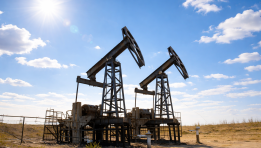
Geopolitical Shock Sends Crude to Multi-Month Highs Oil markets jolted sharply higher as escalating tensions in the Middle East reignited

- Ronny Mor
- •
- 6 Min Read
- •
- ago 21 hours
SKN | Oil Prices Surge Past $80 as US-Iran Tensions Escalate in the Strait of Hormuz
Oil prices surged past $80 per barrel on Monday, reflecting heightened geopolitical tensions between the United States and Iran in
- ago 21 hours
- •
- 6 Min Read

Oil prices surged past $80 per barrel on Monday, reflecting heightened geopolitical tensions between the United States and Iran in

- Arik Arkadi Sluzki
- •
- 7 Min Read
- •
- ago 1 day
SKN | Mining Stocks Surge as Geopolitical Tensions and AI Demand Redefine Commodity Leadership
Mining stocks have emerged as unexpected leaders in global equity markets, buoyed by a combination of geopolitical instability and
- ago 1 day
- •
- 7 Min Read

Mining stocks have emerged as unexpected leaders in global equity markets, buoyed by a combination of geopolitical instability and

- Lior mor
- •
- 7 Min Read
- •
- ago 1 day
SKN | Oil at a Crossroads: What’s at Stake for Energy Markets After U.S. Strikes on Iran?
Oil markets are once again confronting geopolitical uncertainty following U.S. military strikes on Iran, a development that has intensified
- ago 1 day
- •
- 7 Min Read

Oil markets are once again confronting geopolitical uncertainty following U.S. military strikes on Iran, a development that has intensified

