


- orshu
- •
- 7 Min Read
- •
- 2 months ago
Key Points
- Gold climbed to a fresh record high as geopolitical risk linked to Iran intensified demand for traditional safe havens.
- Silver extended its sharp rally, with some regional markets reporting prices equivalent to above $90 per ounce, though these figures remain unconfirmed by major global exchanges.
- The move underscores a broader repricing of inflation hedges, currency risk, and geopolitical uncertainty across global portfolios.
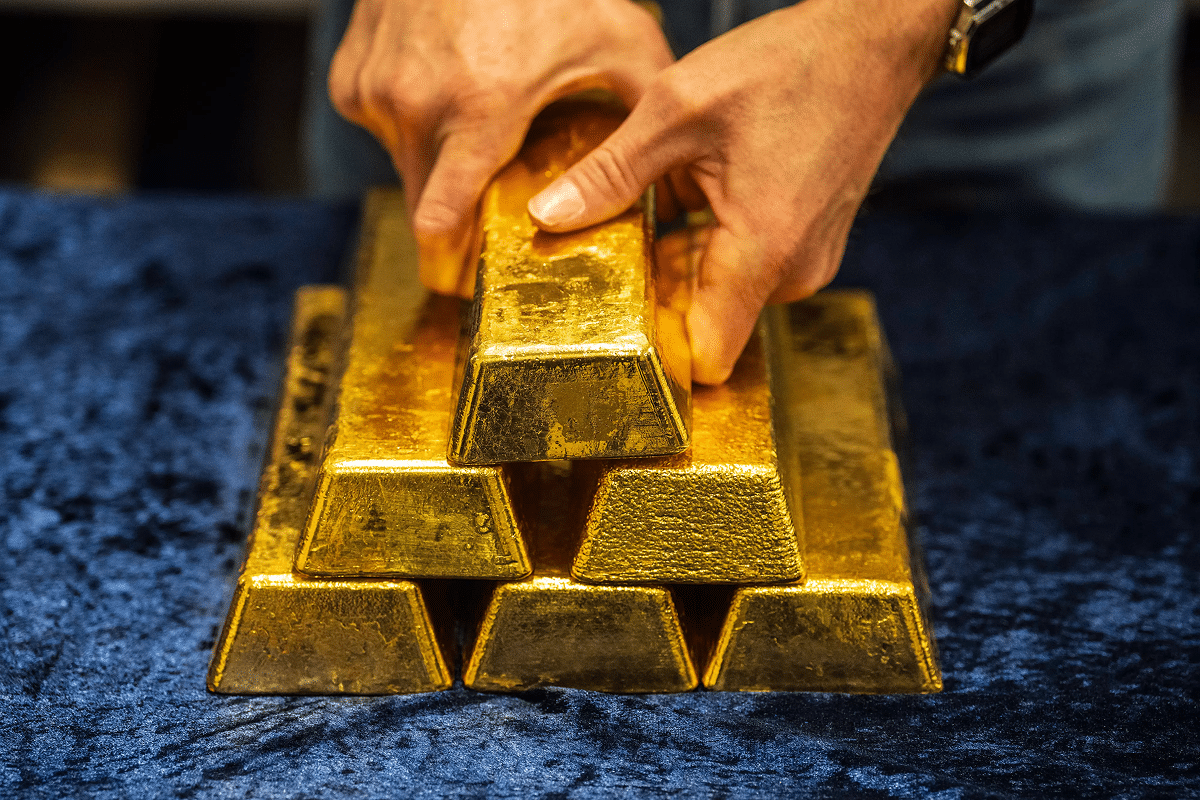
Gold surged to a new all-time high in global trading as investors reacted to escalating concerns surrounding Iran and the wider Middle East, reinforcing the metal’s role as a strategic hedge in periods of uncertainty. The rally unfolded alongside renewed volatility in currencies, energy markets, and sovereign bonds, highlighting a broader reallocation toward assets perceived as resilient during geopolitical stress.
Geopolitics Reasserts Itself in Precious Metals Pricing
The latest move in gold prices reflects more than short-term headline risk. Market participants increasingly view heightened tension involving Iran — including military signaling, diplomatic breakdowns, and regional instability — as a persistent rather than transitory risk factor. Historically, gold has tended to outperform during periods when geopolitical uncertainty converges with macro fragility, particularly when real yields are under pressure and central bank policy paths appear uncertain. While U.S. Treasury yields remain elevated compared with the post-pandemic era, the recent decline in real yields and a softer dollar have provided additional tailwinds. The result is a pricing environment where gold is no longer trading purely as an inflation hedge, but as a multi-dimensional insurance asset embedded in institutional portfolio construction.
Silver’s Surge Raises Questions About Market Structure
Silver has moved even more aggressively. While benchmark futures prices on major exchanges have not officially confirmed sustained trading above $90 per ounce, reports from some regional and retail-driven markets have suggested localized price spikes approaching or exceeding that level, particularly where physical shortages and currency distortions are present. These reports should be treated with caution until verified by globally recognized pricing venues. Still, the underlying trend is notable: silver has outperformed gold on a relative basis in recent sessions, reflecting a combination of safe-haven demand and its dual role as an industrial metal. With structural demand linked to solar panels, electrification, and advanced electronics, silver’s fundamentals differ materially from gold’s, making its rally potentially more sensitive to real economic activity rather than fear alone.
Macro Implications: What the Metals Rally Is Signaling
Beyond price action, the behavior of precious metals is increasingly interpreted as a signal about confidence in monetary stability. Persistent demand for gold from central banks — particularly across emerging markets — has already altered the long-term demand profile. For global investors, including those in Israel, the metals rally intersects with questions around currency diversification, reserve credibility, and protection against policy error. The fact that both gold and silver are advancing alongside elevated equity valuations suggests that markets are not rotating defensively, but rather layering protection on top of risk exposure. That dynamic often appears late in cycles when uncertainty rises but liquidity remains ample.
Looking ahead, investors will be watching several variables: confirmation of price levels across major exchanges, developments in Iran-related geopolitics, the trajectory of real interest rates, and central bank communication. A sustained breakout in precious metals would suggest a deeper shift in how global capital is pricing risk, while any sharp reversal would test whether recent gains were driven by durable fundamentals or fragile sentiment. Either way, gold and silver have re-entered the center of the macro conversation — not as speculation, but as signals.
Comparison, examination, and analysis between investment houses
Leave your details, and an expert from our team will get back to you as soon as possible
* This article, in whole or in part, does not contain any promise of investment returns, nor does it constitute professional advice to make investments in any particular field.
To read more about the full disclaimer, click here
- orshu
- •
- 7 Min Read
- •
- ago 1 hour
SKN | Israel Market Close – March 12, 2026: Tel Aviv Stocks Slide Sharply as Broad Selloff Hits Mid-Caps and Value Shares
Israeli markets closed significantly lower on March 12, 2026, as widespread selling pressure pushed most major indices into negative territory.
- ago 1 hour
- •
- 7 Min Read

Israeli markets closed significantly lower on March 12, 2026, as widespread selling pressure pushed most major indices into negative territory.

- Lior mor
- •
- 6 Min Read
- •
- ago 8 hours
SKN | Why Are European Natural Gas Prices Surging as Middle East LNG Supplies Disrupt Global Markets?
European natural gas prices are climbing sharply as escalating conflict in the Middle East threatens critical liquefied natural gas (LNG)
- ago 8 hours
- •
- 6 Min Read

European natural gas prices are climbing sharply as escalating conflict in the Middle East threatens critical liquefied natural gas (LNG)
- orshu
- •
- 7 Min Read
- •
- ago 10 hours
SKN | Tel Aviv Stock Market Slips as Broad Declines Weigh on Israeli Equities
The Tel Aviv Stock Exchange opened the session with broad-based declines across most major indices, signaling cautious sentiment among investors
- ago 10 hours
- •
- 7 Min Read

The Tel Aviv Stock Exchange opened the session with broad-based declines across most major indices, signaling cautious sentiment among investors
- orshu
- •
- 8 Min Read
- •
- ago 15 hours
SKN | Global Markets Wrap: March 12, 2026 Performance Highlights and What to Watch on March 13 – Tel Aviv Stocks Slide Amid Global Volatility
Global financial markets experienced a broadly negative session on March 12, 2026, with equities under pressure across the Americas, Europe,
- ago 15 hours
- •
- 8 Min Read

Global financial markets experienced a broadly negative session on March 12, 2026, with equities under pressure across the Americas, Europe,

