


- Ronny Mor
- •
- 6 Min Read
- •
- 5 hours ago
Key Points
- Gold and silver prices slipped as investors positioned ahead of major U.S. economic releases this week.
- Dollar strength and steady Treasury yields reduced immediate demand for precious metals as safe-haven assets.
- Upcoming inflation and labor data could reset expectations for Federal Reserve policy and drive short-term volatility.
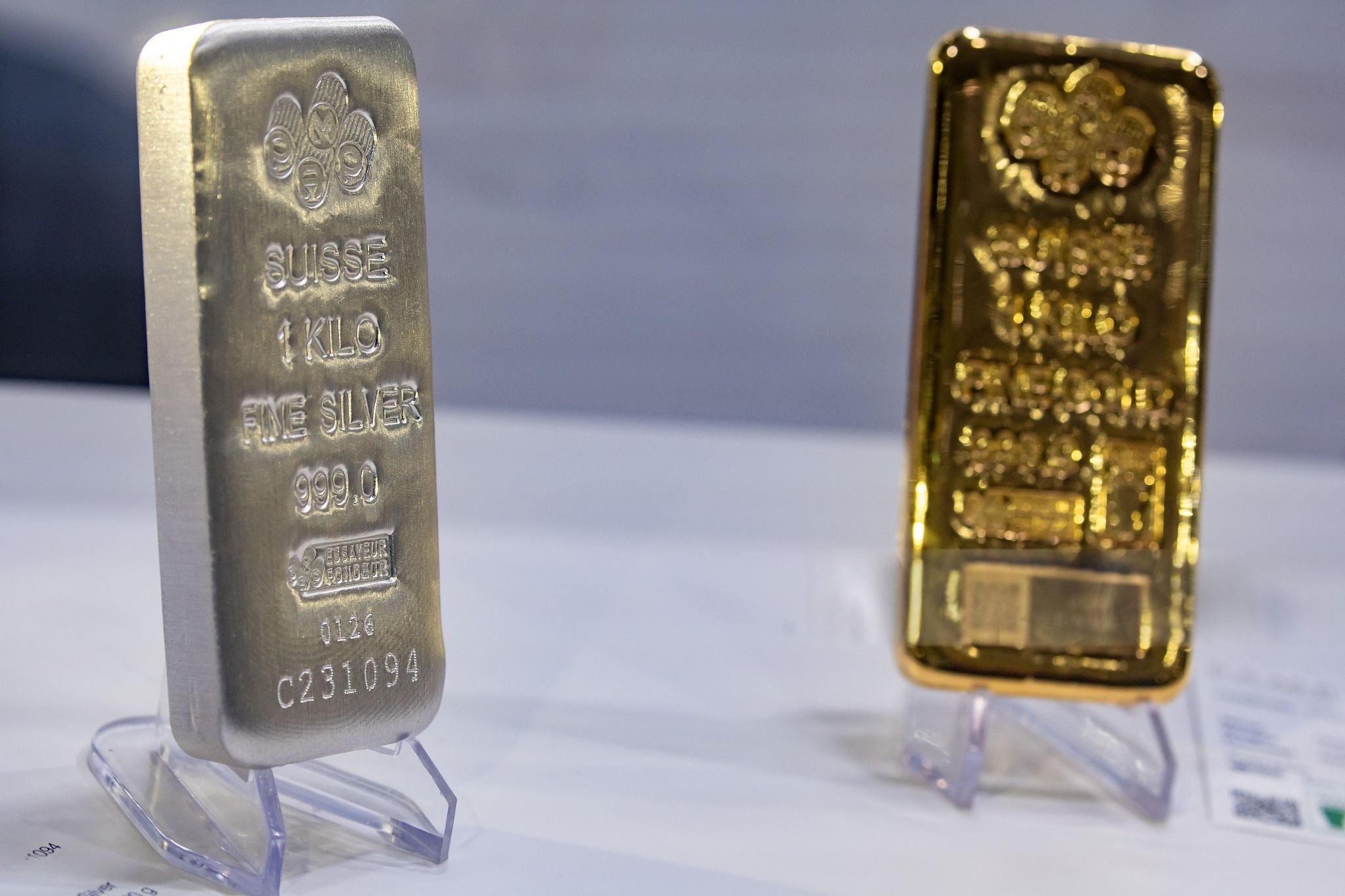
Gold and silver prices retreated modestly at the start of the week as investors adopted a cautious stance ahead of several key economic data releases in the United States. With inflation, retail sales, and labor market indicators scheduled for publication, traders appear reluctant to take aggressive positions.
The pullback reflects a broader recalibration in global markets, where expectations for U.S. monetary policy remain highly data-dependent. For precious metals, the interplay between real yields, the U.S. dollar, and rate-cut probabilities remains central to price direction.
Dollar Firmness and Yield Stability Pressure Bullion
Recent sessions have seen the U.S. dollar index trade near multi-week highs, while Treasury yields remain relatively stable. Because gold is priced in dollars and offers no yield, a firmer currency and elevated real yields tend to weigh on bullion. Even marginal moves in yields can influence positioning, particularly among institutional investors and ETF flows.
Silver, which carries both monetary and industrial characteristics, has mirrored gold’s decline. However, its dual exposure to economic growth expectations makes it somewhat more sensitive to macro data tied to manufacturing and consumption trends.
For Israeli investors, currency dynamics also matter. A stronger dollar can offset part of gold’s decline when measured in shekels, cushioning local portfolio impact. As a result, global and domestic currency trends remain a key variable when assessing precious metals exposure.
Data Week: Inflation and Labor in Focus
Market attention is now squarely on upcoming U.S. inflation data, particularly the Consumer Price Index and producer price metrics. If inflation prints higher than expected, it could delay Federal Reserve rate cuts, potentially supporting the dollar and putting further pressure on precious metals.
Conversely, weaker-than-expected data may revive speculation of earlier or deeper policy easing. Gold has historically responded positively to declining real yields and softer monetary policy expectations, especially in environments of persistent geopolitical uncertainty.
Labor market data will also play a critical role. A resilient jobs market reinforces the Fed’s cautious approach, while signs of cooling could alter the policy trajectory. Given that gold often acts as a hedge against economic instability, shifts in employment trends can trigger rapid repositioning.
Broader Risk Sentiment and Safe-Haven Demand
Beyond macro data, broader risk sentiment remains a driver. Equity markets have fluctuated in recent sessions, but without sustained stress, safe-haven demand for gold has remained contained. Silver’s industrial demand component ties it closely to global growth expectations, particularly in sectors such as solar energy and electronics.
Geopolitical developments, including tensions in Eastern Europe and the Middle East, continue to provide an underlying bid to bullion. However, absent escalation, macroeconomic signals currently dominate short-term price action.
Looking ahead, traders will closely monitor how inflation and employment data reshape interest-rate expectations. A decisive shift in bond yields or dollar momentum could spark renewed volatility in both gold and silver markets. Investors should also track ETF flows, central bank purchasing activity, and currency movements for confirmation of broader trends. As policy clarity emerges, precious metals may either consolidate further or regain upward momentum depending on how the data recalibrates global rate expectations.
Comparison, examination, and analysis between investment houses
Leave your details, and an expert from our team will get back to you as soon as possible
* This article, in whole or in part, does not contain any promise of investment returns, nor does it constitute professional advice to make investments in any particular field.
To read more about the full disclaimer, click here
- Ronny Mor
- •
- 8 Min Read
- •
- ago 2 minutes
SKN | RBA Signals No Pre-Set Path After February Rate Hike: What’s Next for Australian Monetary Policy?
The Reserve Bank of Australia (RBA) delivered a rate hike at its February meeting, reinforcing its commitment to returning inflation
- ago 2 minutes
- •
- 8 Min Read
The Reserve Bank of Australia (RBA) delivered a rate hike at its February meeting, reinforcing its commitment to returning inflation

- Arik Arkadi Sluzki
- •
- 7 Min Read
- •
- ago 6 hours
SKN | Is AI’s Labor Market Disruption Overstated? Economists Say the Impact Is Still Premature
Artificial intelligence has been widely portrayed as a transformative force capable of reshaping global employment. Yet several economists argue
- ago 6 hours
- •
- 7 Min Read

Artificial intelligence has been widely portrayed as a transformative force capable of reshaping global employment. Yet several economists argue

- Lior mor
- •
- 6 Min Read
- •
- ago 8 hours
SKN | Oil Swings Near $68 as Iran Drills in Strait of Hormuz Ahead of High-Stakes US Talks
Oil prices oscillated between gains and losses as traders weighed escalating geopolitical tensions against the prospect of renewed diplomacy between
- ago 8 hours
- •
- 6 Min Read
Oil prices oscillated between gains and losses as traders weighed escalating geopolitical tensions against the prospect of renewed diplomacy between
- Ronny Mor
- •
- 6 Min Read
- •
- ago 9 hours
SKN | Industrial Metals Steady as Lunar New Year Pause Masks Inventory Surge Risks
Industrial metals began the week on a subdued note, with liquidity thinned by Lunar New Year holidays across Asia and
- ago 9 hours
- •
- 6 Min Read

Industrial metals began the week on a subdued note, with liquidity thinned by Lunar New Year holidays across Asia and

