


- orshu
- •
- 7 Min Read
- •
- 12 hours ago
Key Points
- Weak US data has strengthened the case for rate cuts, supporting gold above $5,000.
- Speculative excess appears reduced, lowering near-term volatility risks.
- Institutional forecasts point to renewed upside, with $6,000 emerging as a key target.
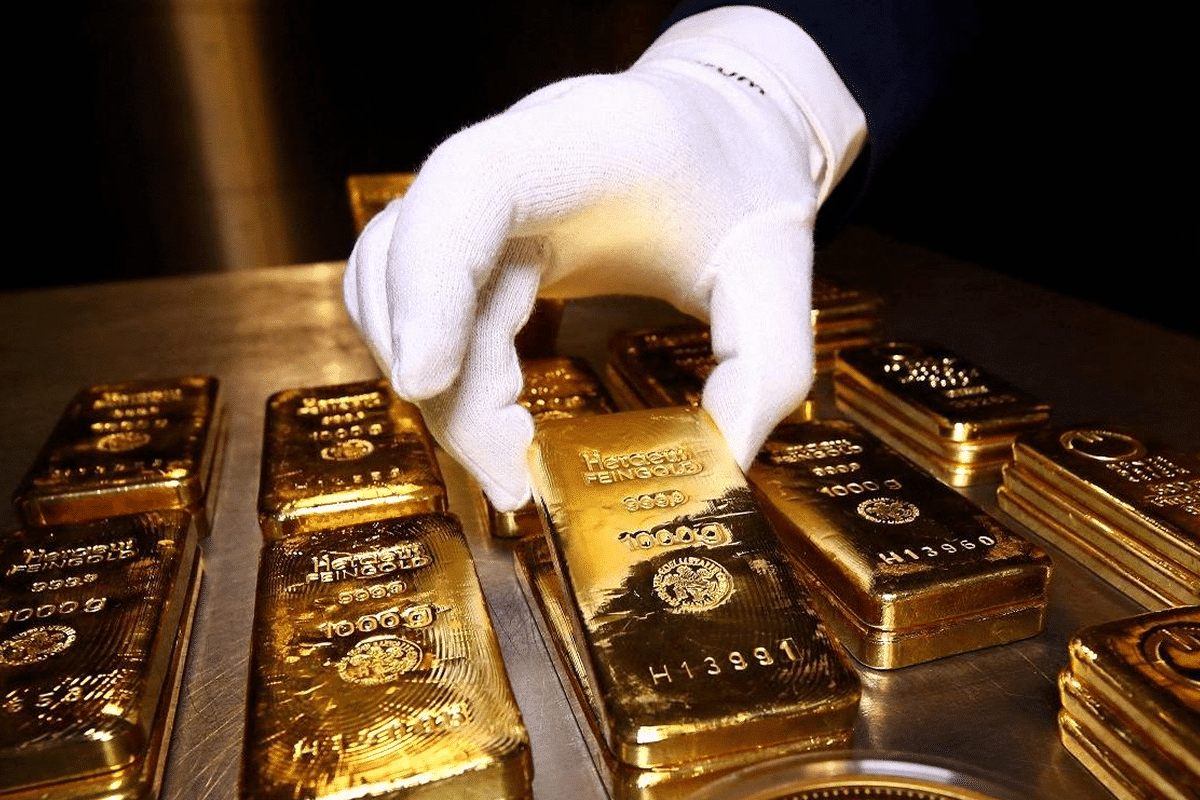
Gold is holding firm above the psychologically significant $5,000-per-ounce level as softer US economic data reinforces expectations of Federal Reserve rate cuts. The precious metal’s resilience comes after a volatile January, when prices surged to record highs before correcting sharply, underscoring how sensitive bullion has become to macro signals and investor positioning.
US Data and the Yield Effect
Recent US retail sales figures showed consumer spending unexpectedly stalled in December, raising concerns about the durability of economic momentum heading into the new year. The weaker data pushed US 10-year Treasury yields to their lowest level in nearly a month and weighed on the dollar across G-10 currencies.
For gold, which offers no yield, this environment is supportive. Lower bond yields reduce the opportunity cost of holding non-interest-bearing assets, while a weaker dollar makes bullion more attractive to international buyers. The combination has allowed gold to consolidate gains after its sharp correction, trading near $5,045 an ounce in Asian hours.
Market pricing now reflects increased odds of rate cuts later this year, though Federal Reserve officials remain divided. While some policymakers caution that rates could remain elevated for longer, expectations for easing — particularly under a potentially more dovish Fed leadership — continue to shape investor sentiment.
From Euphoria to Consolidation
Gold’s path over the past month has been anything but linear. Prices surged above $5,595 an ounce in late January, fueled by geopolitical uncertainty, debates over central bank independence, and a broader shift away from traditional safe havens such as sovereign bonds. However, the rally became overheated as speculative positioning intensified, triggering a swift 13% two-day drop.
Since then, the market has retraced roughly half of those losses. Analysts suggest that much of the excessive leverage has been flushed out, reducing the risk of extreme near-term volatility. This stabilization phase could prove constructive, as it reflects a healthier balance between speculative flows and long-term institutional demand.
Bullish Forecasts and Strategic Allocation
Major financial institutions remain constructive on the metal’s outlook. BNP Paribas has projected gold could reach $6,000 by year-end, while Deutsche Bank and Goldman Sachs have also maintained optimistic forecasts.
Their thesis centers on structural drivers: persistent geopolitical tensions, elevated fiscal deficits in advanced economies, and diversification away from dollar-denominated assets. In Israel, where geopolitical risk is a constant variable, gold continues to serve as both a hedge against global volatility and local currency fluctuations. In the US, meanwhile, investors are increasingly using bullion as a portfolio diversifier amid equity market concentration and high valuations in technology stocks.
Silver, platinum, and palladium have also advanced, reflecting broader strength across precious metals as investors reposition ahead of key labor and inflation data releases.
What Comes Next
The next catalyst will likely be the delayed US jobs report and subsequent inflation readings. A material slowdown in employment could cement expectations of earlier rate cuts, providing further upside for gold. Conversely, resilient labor data may temper enthusiasm and reinforce the Federal Reserve’s cautious stance.
For now, gold’s ability to hold above $5,000 suggests that strategic demand remains intact. If yields continue to drift lower and the dollar softens further, the foundation for another leg higher could already be forming.
Comparison, examination, and analysis between investment houses
Leave your details, and an expert from our team will get back to you as soon as possible
* This article, in whole or in part, does not contain any promise of investment returns, nor does it constitute professional advice to make investments in any particular field.
To read more about the full disclaimer, click here
- sagi habasov
- •
- 7 Min Read
- •
- ago 3 minutes
SKN | Oil Above $70 Again: Are U.S.–Iran Tensions Repricing the Global Energy Market?
Oil markets are once again being driven less by barrels in storage and more by headlines out of Washington and
- ago 3 minutes
- •
- 7 Min Read

Oil markets are once again being driven less by barrels in storage and more by headlines out of Washington and

- omer bar
- •
- 5 Min Read
- •
- ago 16 hours
SKN | Oil Prices Hold Steady as US–Iran Tensions Support Market Resilience
Oil markets held steady in early trading, with global crude benchmarks reflecting a balance between geopolitical risk and underlying supply-demand
- ago 16 hours
- •
- 5 Min Read

Oil markets held steady in early trading, with global crude benchmarks reflecting a balance between geopolitical risk and underlying supply-demand

- orshu
- •
- 6 Min Read
- •
- ago 23 hours
SKN | Rising Investment May Stabilize Global Silver Demand in 2026, Silver Institute Signals
Global silver demand is expected to remain broadly steady in 2026, supported by rising investment flows even as industrial
- ago 23 hours
- •
- 6 Min Read
Global silver demand is expected to remain broadly steady in 2026, supported by rising investment flows even as industrial
- sagi habasov
- •
- 7 Min Read
- •
- ago 2 days
SKN | Gold Reclaims the $5,000 Level as Dollar Weakens—Is the Safe-Haven Trade Back in Control?
Gold has reasserted its role as a macro barometer, climbing back above $5,000 an ounce as investors reassess currency trends,
- ago 2 days
- •
- 7 Min Read

Gold has reasserted its role as a macro barometer, climbing back above $5,000 an ounce as investors reassess currency trends,

