


- orshu
- •
- 6 Min Read
- •
- 46 minutes ago
Key Points
- Volatility surged above 27 as investor anxiety escalated sharply.
- All major U.S. indices declined, with small-cap stocks leading losses.
- Canada and Brazil posted steep declines amid rising dollar strength.

U.S. equity markets closed sharply lower on Thursday, March 12, 2026, as a surge in volatility and a stronger U.S. dollar triggered broad risk-off sentiment across global markets. Major indices posted steep losses, with technology and small-cap stocks experiencing the largest declines. The sell-off extended beyond the United States, with Canada and Brazil also falling significantly as investors moved toward safer assets.
Volatility Spikes as Market Fear Intensifies
The most striking development of the session was the dramatic increase in the volatility index. The VIX jumped more than 12 percent, climbing above the 27 level. This sharp spike indicates a surge in demand for hedging as investors brace for potential further market turbulence.
Elevated volatility typically compresses valuations and leads investors to reduce exposure to risk assets. The rapid increase in the VIX suggests that market participants are increasingly concerned about macroeconomic risks and tightening financial conditions.
Small Caps Lead the Market Decline
Small-cap stocks suffered the heaviest losses during the session. The Russell 2000 dropped more than 2 percent, reflecting heightened sensitivity to economic uncertainty and tightening financial conditions.
Smaller companies often rely more heavily on credit markets and domestic economic momentum, making them particularly vulnerable during volatile periods. The sharp decline in the Russell 2000 signals a clear reduction in risk appetite among investors.
Technology and Large Caps Join the Sell-Off
Technology stocks also declined sharply, with the Nasdaq falling nearly 2 percent. Growth-oriented sectors tend to be sensitive to volatility spikes and rising currency strength, which can increase risk premiums.
The S&P 500 dropped more than 1.5 percent as selling pressure spread across multiple sectors. The Dow 30 also declined significantly, weighed down by weakness in industrial and financial stocks. The breadth of the losses indicates a broad shift toward defensive positioning rather than sector-specific weakness.
Dollar Strength Adds Pressure to Global Markets
The U.S. dollar strengthened further during the session, climbing above the 99 level. A stronger dollar tightens global financial conditions and can weigh on multinational earnings and emerging markets.
Currency appreciation often amplifies equity declines in emerging markets, as investors shift capital toward safer U.S. assets. Thursday’s currency move contributed to the global nature of the sell-off.
Canada and Brazil Mirror Global Weakness
Canadian equities declined sharply, with the S&P/TSX Composite Index falling nearly 1 percent. Weakness in financial and resource-linked sectors weighed on the index as global growth concerns intensified.
Brazil’s IBOVESPA dropped more than 2.5 percent, marking one of the steepest declines among major regional markets. Emerging markets are often particularly sensitive to volatility spikes and currency strength, and the sharp drop underscores the intensity of the risk-off environment.
Outlook: Markets Enter High-Volatility Phase
Thursday’s market action signals a shift into a higher-volatility phase for global equities. Rising volatility, a stronger dollar, and broad declines across major indices suggest that investors are prioritizing capital preservation.
In the coming sessions, volatility trends will remain the key indicator of market direction. If the VIX stabilizes and the dollar weakens, equities may find support. However, continued volatility spikes could keep markets under pressure and reinforce defensive positioning.
Comparison, examination, and analysis between investment houses
Leave your details, and an expert from our team will get back to you as soon as possible
* This article, in whole or in part, does not contain any promise of investment returns, nor does it constitute professional advice to make investments in any particular field.
To read more about the full disclaimer, click here
- Lior mor
- •
- 6 Min Read
- •
- ago 3 hours
SKN | Why Did the Nasdaq Lead Wall Street Lower as Oil Prices Surge on Iran Conflict?
U.S. stocks moved lower as escalating tensions in the Middle East pushed oil prices sharply higher, triggering renewed inflation concerns
- ago 3 hours
- •
- 6 Min Read

U.S. stocks moved lower as escalating tensions in the Middle East pushed oil prices sharply higher, triggering renewed inflation concerns

- orshu
- •
- 7 Min Read
- •
- ago 6 hours
SKN | European Markets Close Lower as Regional Indices Retreat Amid Currency Weakness and Global Risk Caution
European equity markets closed lower on March 12 as investors adopted a more cautious stance following increased global volatility
- ago 6 hours
- •
- 7 Min Read

European equity markets closed lower on March 12 as investors adopted a more cautious stance following increased global volatility
- orshu
- •
- 7 Min Read
- •
- ago 6 hours
SKN | Israel Market Close – March 12, 2026: Tel Aviv Stocks Slide Sharply as Broad Selloff Hits Mid-Caps and Value Shares
Israeli markets closed significantly lower on March 12, 2026, as widespread selling pressure pushed most major indices into negative territory.
- ago 6 hours
- •
- 7 Min Read
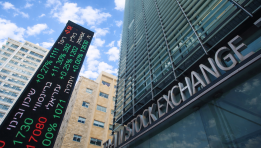
Israeli markets closed significantly lower on March 12, 2026, as widespread selling pressure pushed most major indices into negative territory.
- orshu
- •
- 7 Min Read
- •
- ago 7 hours
SKN | U.S. Dollar Strengthens as Global Markets Turn Defensive — What the DXY Rally Signals for Investors
The U.S. Dollar Index (DXY) advanced during the March 12 trading session, climbing to approximately 99.68, up 0.45% from
- ago 7 hours
- •
- 7 Min Read

The U.S. Dollar Index (DXY) advanced during the March 12 trading session, climbing to approximately 99.68, up 0.45% from

