


- orshu
- •
- 7 Min Read
- •
- 7 minutes ago
Key Points
- Federal Reserve minutes reinforce a higher-for-longer rate stance amid persistent inflation concerns.
- Warren Buffett’s exposure to Amazon underscores renewed institutional confidence in mega-cap cash flow durability.
- Oil prices advance, adding a fresh inflation variable that could complicate monetary policy expectations.
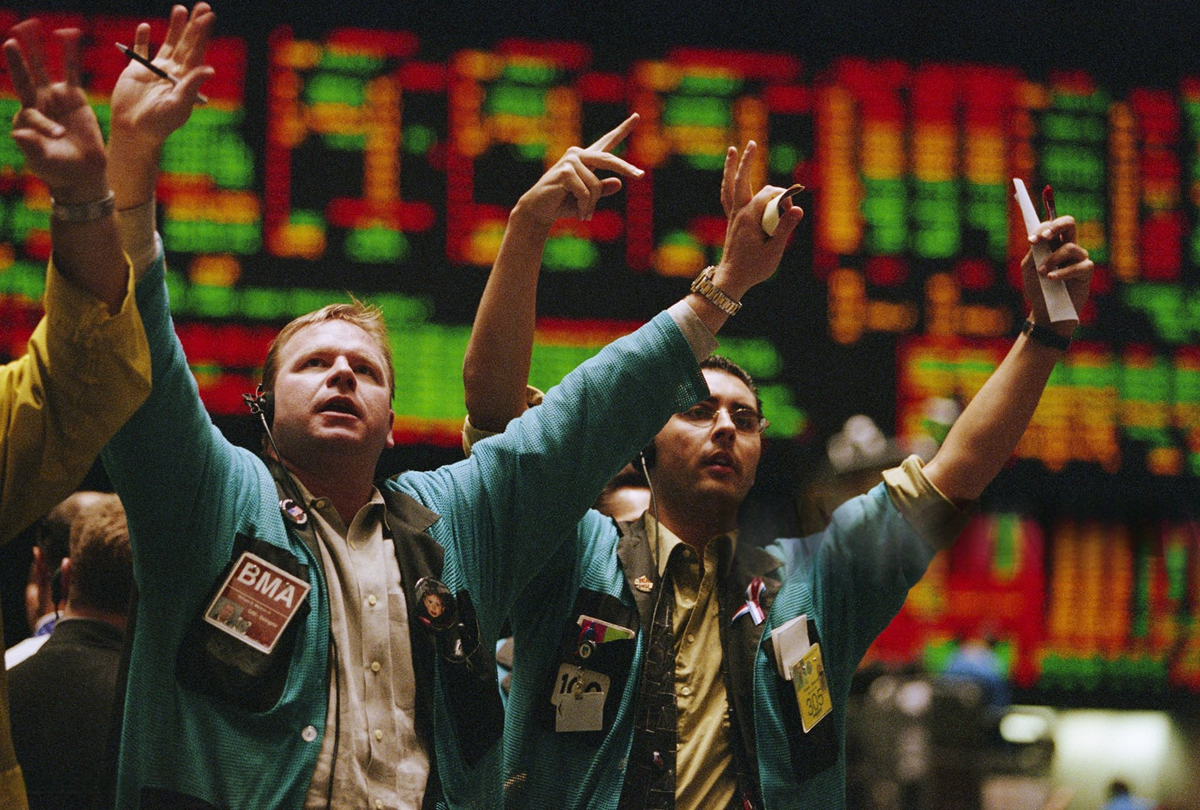
Global markets are recalibrating as the latest Federal Reserve minutes highlight policymakers’ caution on inflation, while renewed attention to Warren Buffett’s Amazon stake and a rebound in oil prices inject new crosscurrents into equities, bonds, and commodities. Together, these developments frame a market grappling with resilient growth, sticky inflation, and selective institutional conviction.
Fed Minutes: Higher for Longer Remains the Baseline
The release of the Federal Open Market Committee minutes confirmed that policymakers remain wary of declaring victory over inflation. While progress has been made compared to peak price pressures, officials signaled that premature easing could risk reigniting inflationary momentum. This reinforces the narrative of elevated interest rates persisting longer than markets initially anticipated.
For equity markets, sustained higher rates translate into tighter financial conditions and pressure on valuation multiples, particularly for growth-oriented sectors. Bond markets reacted with modest yield adjustments as investors reassessed the timeline for potential rate cuts. Israeli institutional investors, who closely track US rate policy due to its impact on the shekel and capital flows, are particularly sensitive to prolonged dollar strength and shifting yield differentials.
The minutes did not introduce a new tightening bias, but they underscored policy vigilance. That nuance matters: markets are balancing the absence of imminent cuts with the recognition that further hikes may not be imminent either. The result is a cautious equilibrium rather than decisive directional momentum.
Buffett’s Amazon Exposure: Signal of Durable Cash Flow Confidence
Attention also turned to Warren Buffett’s investment vehicle and its exposure to Amazon, reinforcing institutional conviction in large-cap technology franchises with durable earnings power. Amazon’s diversified revenue base—spanning e-commerce, advertising, and cloud services through AWS—positions it uniquely within the current macro environment.
Buffett’s approach historically emphasizes predictable cash flows, competitive moats, and disciplined capital allocation. Continued exposure to Amazon suggests confidence in its long-term profitability trajectory despite regulatory scrutiny and margin pressures in certain segments. Markets often interpret such positioning as a vote of confidence in structural growth drivers rather than short-term cyclical trades.
In broader context, mega-cap technology remains central to index performance. For Israeli tech-linked portfolios and global growth allocators, Amazon’s stability offers a counterweight to macro volatility, particularly when monetary policy remains restrictive.
Oil Prices Rise: Inflation Variable Returns
Meanwhile, oil prices moved higher, supported by supply discipline from major producers and improving demand expectations. Rising crude introduces renewed complexity for central banks: higher energy costs can feed into headline inflation and influence consumer sentiment.
Energy price increases ripple across transportation, manufacturing, and consumer goods. If sustained, they could slow the pace of disinflation, potentially extending the Fed’s cautious stance. Equity markets often react asymmetrically: energy producers benefit, while transportation and consumer discretionary sectors may face margin pressure.
For global investors, oil’s direction also influences currency flows. Commodity-linked currencies tend to strengthen with rising crude, while energy-importing economies may face trade balance strain. Israeli markets, sensitive to global energy benchmarks, monitor these developments closely given their impact on inflation expectations and import costs.
Looking ahead, markets will focus on incoming inflation data, real-time energy price movements, and corporate earnings guidance to determine whether the current equilibrium holds. If oil continues climbing while Fed officials maintain a restrictive tone, volatility could re-emerge across asset classes. Conversely, stabilization in energy markets combined with resilient corporate earnings—particularly among mega-cap leaders—could sustain cautious optimism. The interplay between monetary policy discipline, institutional capital allocation, and commodity price dynamics will define near-term market direction.
Comparison, examination, and analysis between investment houses
Leave your details, and an expert from our team will get back to you as soon as possible
* This article, in whole or in part, does not contain any promise of investment returns, nor does it constitute professional advice to make investments in any particular field.
To read more about the full disclaimer, click here
- Ronny Mor
- •
- 7 Min Read
- •
- ago 1 hour
SKN | Gold Surges Above $5,000 in Thin Trade: Breakout Signal or Liquidity-Driven Spike?
Gold pushed decisively above the $5,000 mark, attracting renewed buying interest as thin trading conditions magnified upward momentum. The
- ago 1 hour
- •
- 7 Min Read

Gold pushed decisively above the $5,000 mark, attracting renewed buying interest as thin trading conditions magnified upward momentum. The

- orshu
- •
- 7 Min Read
- •
- ago 2 hours
SKN | Are AI Fears Fading as Dow, S&P 500 and Nasdaq Edge Higher Ahead of Fed Minutes?
US equities moved modestly higher on Wednesday, signaling a pause in the artificial intelligence-driven turbulence that has rattled markets in
- ago 2 hours
- •
- 7 Min Read

US equities moved modestly higher on Wednesday, signaling a pause in the artificial intelligence-driven turbulence that has rattled markets in
- orshu
- •
- 7 Min Read
- •
- ago 4 hours
SKN | Israel Market Close Today, February 18, 2026: Large Caps Lead Broad Rebound as Bonds Slip Slightly
Israeli financial markets closed today, February 18, 2026, with renewed upside momentum as equities recovered from the prior session’s mixed
- ago 4 hours
- •
- 7 Min Read

Israeli financial markets closed today, February 18, 2026, with renewed upside momentum as equities recovered from the prior session’s mixed
- Ronny Mor
- •
- 8 Min Read
- •
- ago 7 hours
SKN | Is Christine Lagarde Preparing an Early ECB Exit to Shape Europe’s Monetary Future?
Speculation is mounting across European financial circles after reports suggested that European Central Bank President Christine Lagarde may step down
- ago 7 hours
- •
- 8 Min Read
Speculation is mounting across European financial circles after reports suggested that European Central Bank President Christine Lagarde may step down

