


- sagi habasov
- •
- 6 Min Read
- •
- 2 months ago
Key Points
- Deep divisions within the Federal Reserve over inflation risks and rate timing defined monetary policy debates in 2025.
- Conflicting economic signals kept policymakers split between caution and restraint as growth and inflation moved unevenly.
- Markets are preparing for continued policy uncertainty in 2026, with implications for bonds, equities, and global capital flows.
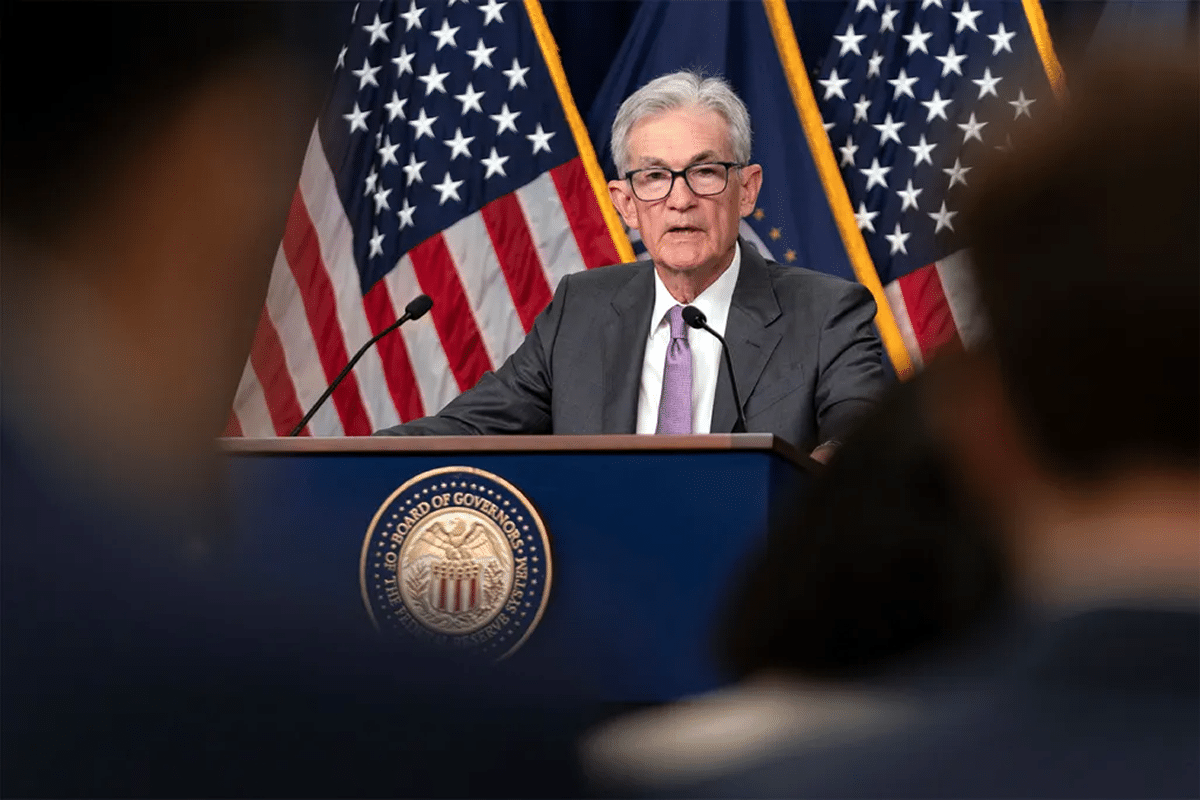
The internal divisions that shaped US monetary policy in 2025 are widely expected to extend into 2026, reinforcing uncertainty around the Federal Reserve’s policy path. Disagreements over inflation persistence, labor market strength, and the appropriate timing of rate adjustments left investors navigating a fragmented policy signal environment.
Inflation Progress Meets Policy Skepticism
Throughout 2025, the Federal Reserve faced a complex inflation backdrop. While headline inflation moderated from prior peaks, core measures remained sticky, particularly in services and housing-related categories. This divergence fueled debate among policymakers over whether inflation was on a sustainable path toward target or merely pausing before reaccelerating.
Some officials emphasized progress, arguing that restrictive policy was already exerting sufficient pressure on demand. Others warned that premature easing could reignite inflation expectations. These opposing views repeatedly surfaced in meeting minutes and public remarks, highlighting a central bank struggling to balance data dependence with credibility. The result was a policy stance that appeared cautious but internally contested.
Labor Markets and Growth Add to the Divide
Economic growth and labor market resilience further complicated the Fed’s internal dynamics. Job creation remained solid for much of 2025, wage growth slowed unevenly, and consumer spending proved more durable than expected. For hawkish policymakers, this resilience justified maintaining a restrictive stance to prevent renewed inflation pressure.
Dovish voices, however, pointed to emerging signs of cooling beneath the surface, including softer hiring intentions and pockets of financial stress. They argued that policy operates with long lags and that holding rates too high for too long risks an unnecessary downturn. This split interpretation of the same data reinforced the perception of a divided central bank.
Market Implications and Global Spillovers
For financial markets, the lack of consensus translated into heightened sensitivity to every data release and Fed communication. Bond markets experienced periods of volatility as investors recalibrated expectations around rate cuts or prolonged tightness. Equity markets, particularly growth-sensitive sectors, oscillated between optimism and caution depending on the perceived balance of power within the Fed.
The implications extend beyond the US. For global investors, including those in Israel, US monetary uncertainty influences currency dynamics, capital flows, and risk appetite across emerging and developed markets. A divided Fed complicates forward planning for businesses and governments alike, as policy signals remain less predictable than in prior cycles.
Looking ahead to 2026, investors will closely monitor whether clearer trends in inflation or labor markets help narrow internal Fed disagreements. Key risks include renewed inflation shocks, financial stability concerns, or an abrupt growth slowdown that forces consensus under pressure. Until then, the persistence of internal divisions suggests that policy uncertainty will remain a defining feature of the macro landscape, shaping asset allocation decisions and global market behavior well into the year ahead.
Comparison, examination, and analysis between investment houses
Leave your details, and an expert from our team will get back to you as soon as possible
* This article, in whole or in part, does not contain any promise of investment returns, nor does it constitute professional advice to make investments in any particular field.
To read more about the full disclaimer, click here
- Arik Arkadi Sluzki
- •
- 7 Min Read
- •
- ago 13 minutes
SKN | NYSE Hit With $9 Million SEC Fine Over Trading Glitch That Disrupted U.S. Stock Market
The New York Stock Exchange (NYSE) has been fined $9 million by the U.S. Securities and Exchange Commission (SEC)
- ago 13 minutes
- •
- 7 Min Read

The New York Stock Exchange (NYSE) has been fined $9 million by the U.S. Securities and Exchange Commission (SEC)

- orshu
- •
- 7 Min Read
- •
- ago 29 minutes
SKN | Methode Electronics Stock Slides: What Is Driving the Sell-Off in MEI Shares Today?
Shares of Methode Electronics Inc. traded lower in recent market activity as investors digested concerns surrounding the company’s earnings
- ago 29 minutes
- •
- 7 Min Read

Shares of Methode Electronics Inc. traded lower in recent market activity as investors digested concerns surrounding the company’s earnings
- orshu
- •
- 7 Min Read
- •
- ago 3 hours
SKN | European Stocks Close Lower on March 6 as STOXX 50, DAX and FTSE 100 Slide Amid Rising Market Caution
European equity markets ended the March 6 trading session in negative territory as investors adopted a more cautious stance
- ago 3 hours
- •
- 7 Min Read

European equity markets ended the March 6 trading session in negative territory as investors adopted a more cautious stance
- orshu
- •
- 7 Min Read
- •
- ago 3 hours
SKN | Israel Market Close – March 6, 2026: Tel Aviv Stocks Pause After Rally as Investors Digest Recent Gains
Israeli markets closed on March 6, 2026 with limited movement as investors paused after the strong rally earlier in the
- ago 3 hours
- •
- 7 Min Read

Israeli markets closed on March 6, 2026 with limited movement as investors paused after the strong rally earlier in the

