


- orshu
- •
- 7 Min Read
- •
- 3 hours ago
Key Points
- European equities closed broadly higher with the EURO STOXX 50 rising 1.87% and the DAX gaining 1.81%.
- The rally was supported by strength across major continental indices including the MSCI Europe and CAC 40.
- Currency benchmarks such as the Euro Index and British Pound Index edged slightly higher, signaling stable FX conditions.
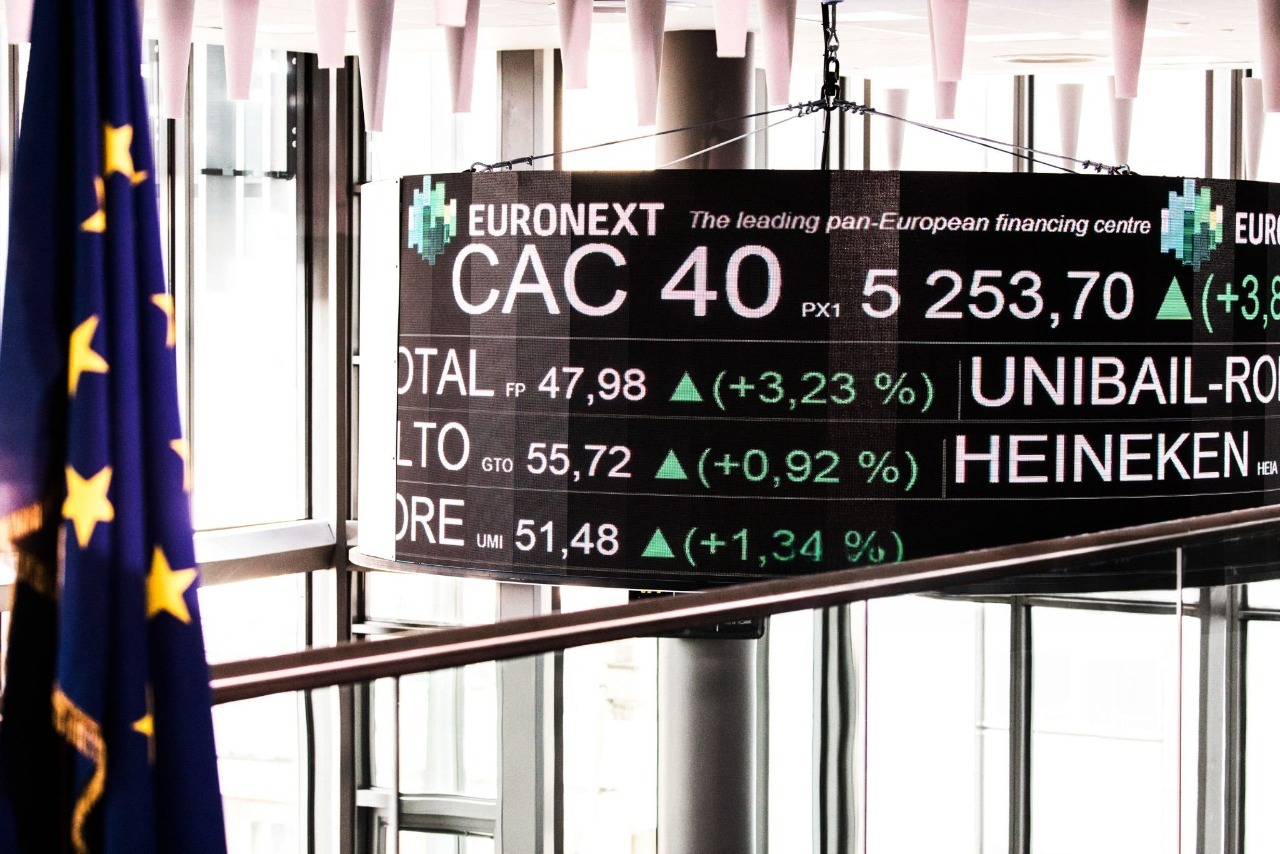
European equities closed firmly higher on March 4, reflecting renewed investor confidence across major markets as capital rotated into large-cap continental stocks. The rally was broad-based across Germany, France, and pan-European benchmarks, while the United Kingdom’s FTSE 100 also ended the session in positive territory. The upward momentum highlights improving sentiment across European equities as investors weigh economic resilience, corporate earnings stability, and global macro developments.
Continental Indices Lead the European Rally
The EURO STOXX 50, a key benchmark representing blue-chip companies across the eurozone, climbed 1.87% to 5,879.61, marking one of the strongest performances among European indices. The move reflects broad participation from sectors including industrials, financials, and consumer goods. Large-cap European firms often attract global capital flows during periods of relative economic stability, and the session’s performance suggests renewed investor appetite for eurozone exposure.
Germany’s DAX index also advanced significantly, rising 1.81% to 24,221.34. The German market remains highly sensitive to global trade dynamics due to its export-oriented economy. Strength in the DAX typically signals optimism regarding industrial production, manufacturing activity, and global demand for European goods.
The MSCI Europe Index, which tracks large and mid-cap companies across developed European markets, increased 1.85% to 2,711.05. This broad index often reflects international investor sentiment toward the European equity landscape as a whole. Its strong performance indicates widespread gains across multiple national markets.
France and Pan-European Markets Show Broad Gains
France’s CAC 40 rose 1.01% to 8,185.96, supported by strength in luxury goods, financial services, and multinational industrial firms. French equities remain heavily influenced by global consumption trends and international tourism flows, both of which have shown resilience despite macroeconomic uncertainties.
Meanwhile, the Euronext 100 Index gained 1.19% to 1,781.12, reinforcing the positive tone across pan-European markets. Euronext-listed companies represent a diverse set of sectors including technology, finance, and consumer brands. Gains across this index suggest broad participation rather than a narrow sector-driven rally.
In the United Kingdom, the FTSE 100 added 0.76% to 10,563.61. The index often reflects movements in energy, mining, and multinational companies due to its composition. While its gains were more moderate compared with continental peers, the positive close indicates stable investor sentiment toward UK equities.
Currency Stability Supports Market Confidence
European currency benchmarks also recorded modest gains. The Euro Index increased 0.16% to 116.32, while the British Pound Index edged up 0.07% to 133.62. These movements suggest relatively stable foreign exchange conditions across the region.
Currency stability is an important factor for equity markets, particularly for multinational corporations that generate significant revenue outside their domestic markets. A stable euro and pound reduce earnings volatility for companies operating globally and can support investor confidence.
From a global perspective, the strength across European equities may also reflect capital rotation as investors balance exposure between the United States, Asia, and Europe. International investors often reassess regional allocations when valuations and macroeconomic conditions diverge across major economies.
Looking ahead, market participants will closely monitor European Central Bank policy signals, inflation data, and corporate earnings updates across key sectors. Continued economic stability in major eurozone economies could support further gains in continental indices, while geopolitical developments and global interest rate trends may introduce new volatility. Investors will also watch movements in the euro and pound, as currency shifts can influence export competitiveness and multinational corporate earnings. As European markets continue navigating a complex global environment, the interplay between monetary policy, economic growth indicators, and international capital flows will likely shape the next phase of market direction.
Comparison, examination, and analysis between investment houses
Leave your details, and an expert from our team will get back to you as soon as possible
* This article, in whole or in part, does not contain any promise of investment returns, nor does it constitute professional advice to make investments in any particular field.
To read more about the full disclaimer, click here
- orshu
- •
- 7 Min Read
- •
- ago 2 minutes
SKN | Nasdaq Climbs Over 1.4% on March 4 as Technology Stocks Drive Market Momentum
The Nasdaq Composite Index moved higher on March 4, rising 1.42% to approximately 22,836.33 during the trading session as
- ago 2 minutes
- •
- 7 Min Read

The Nasdaq Composite Index moved higher on March 4, rising 1.42% to approximately 22,836.33 during the trading session as
- orshu
- •
- 6 Min Read
- •
- ago 5 hours
SKN | U.S. Markets Mixed as Nasdaq Gains While Dow and Small Caps Slide; Volatility Rises
U.S. financial markets opened with a mixed tone on March 4, as technology stocks pushed the Nasdaq higher while
- ago 5 hours
- •
- 6 Min Read

U.S. financial markets opened with a mixed tone on March 4, as technology stocks pushed the Nasdaq higher while
- orshu
- •
- 6 Min Read
- •
- ago 9 hours
SKN | Asia Markets Extend Selloff on March 4, 2026 as South Korea Crashes 12.06% and Japan Falls 3.61%
Asian markets closed sharply lower on March 4, 2026, extending the previous session’s selloff as investors continued to reduce exposure
- ago 9 hours
- •
- 6 Min Read

Asian markets closed sharply lower on March 4, 2026, extending the previous session’s selloff as investors continued to reduce exposure
- orshu
- •
- 6 Min Read
- •
- ago 22 hours
SKN | Markets Tumble on March 3, 2026 as Volatility Spikes and Global Equities Slide
U.S. equity markets closed sharply lower on Tuesday, March 3, 2026, as a spike in volatility and a strengthening U.S.
- ago 22 hours
- •
- 6 Min Read

U.S. equity markets closed sharply lower on Tuesday, March 3, 2026, as a spike in volatility and a strengthening U.S.

