





- orshu
- •
- 6 Min Read
- •
- 1 hour ago
Key Points
- European markets ended Friday’s session with a mixed performance, as gains in the United Kingdom and France offset weakness across several major continental indexes.
- The FTSE 100 and CAC 40 remained resilient, supported by stable investor sentiment, while Germany’s DAX and Euro Stoxx 50 faced modest pressure.
- Investors continued monitoring economic data, interest rate expectations, and corporate developments as key factors shaping European equity market direction.
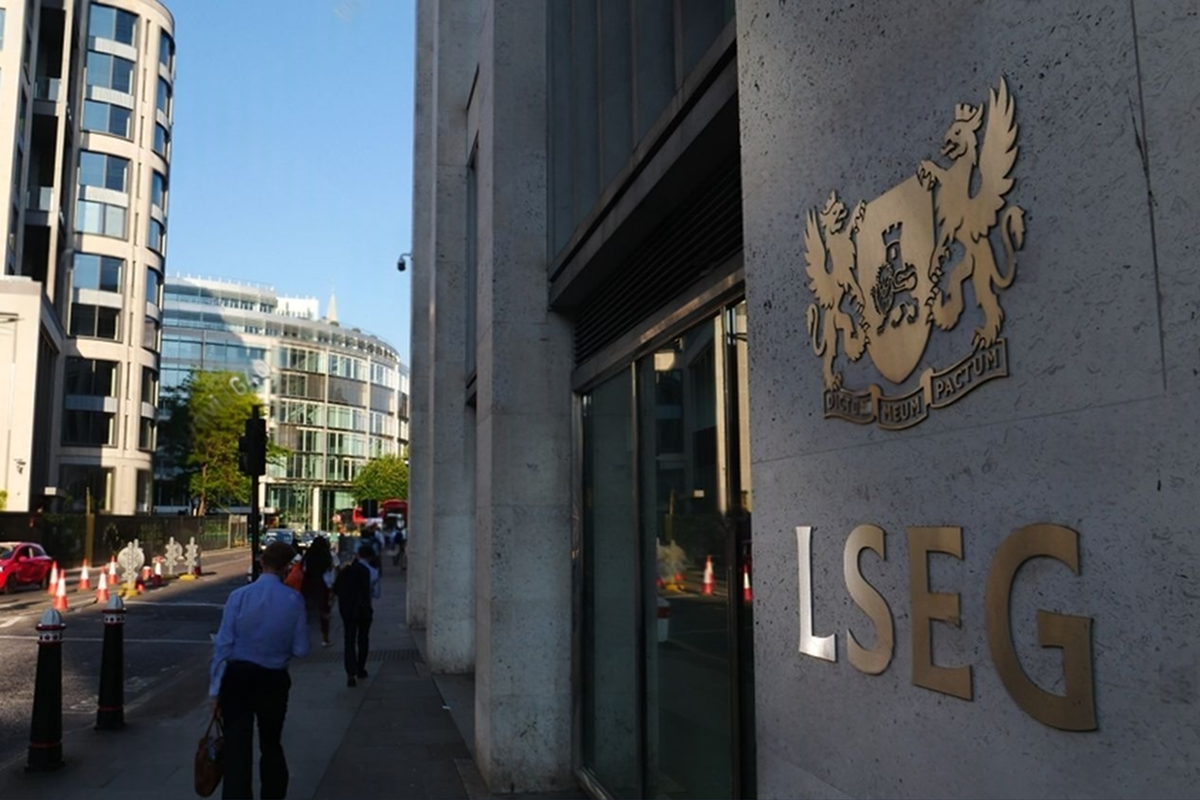
European equity markets closed Friday, July 10, with a mixed performance as investors balanced cautious optimism around economic conditions with ongoing uncertainty regarding growth expectations and monetary policy. While several major indexes remained relatively stable, market movements reflected differences between regional economies and sector performance.
The European market environment continues to be influenced by inflation trends, central bank decisions, currency movements, and global economic developments. For investors in Israel and globally, European equities remain an important indicator of international risk sentiment and regional economic resilience.
UK and French Markets Provide Support as Regional Performance Diverges
The FTSE 100 Index was among the strongest performers in Europe, rising by 0.24% to 10,497.29. The index benefited from steady demand across major sectors, with investors continuing to assess the outlook for large multinational companies and the impact of global economic trends.
France’s CAC 40 Index also advanced, increasing by 0.15% to 8,338.97. The modest gain reflected relatively stable sentiment toward French equities despite broader concerns surrounding economic growth and consumer conditions across Europe.
The performance of the United Kingdom and French markets highlights the uneven nature of Europe’s equity landscape. Investors have increasingly focused on company-specific fundamentals, sector exposure, and regional differences rather than relying solely on broader market trends.
German and Eurozone Equities Face Mild Pressure
Other major European benchmarks experienced limited declines. Germany’s DAX Index fell by 0.20% to 25,067.09, while the EURO STOXX 50 Index declined by 0.23% to 6,269.97.
The weaker performance in some eurozone markets reflects continued investor caution surrounding industrial activity, export demand, and the broader pace of economic recovery. Germany’s economy remains particularly sensitive to manufacturing conditions, global trade flows, and energy-related costs.
The Euronext 100 Index also declined by 0.26% to 1,907.86, indicating limited pressure across a broader group of European companies. However, the relatively small market movements suggest that investors remain in a wait-and-see position rather than making significant portfolio adjustments.
Currency Stability and Macroeconomic Factors Remain Central
Currency markets remained relatively stable during the session. The Euro Index increased by 0.02% to 114.35, while the British Pound Index gained 0.07% to 134.18. Stable currency movements have helped reduce uncertainty for multinational companies operating across Europe and global markets.
The MSCI Europe Index was nearly unchanged, rising by 0.04% to 2,794.50, reflecting a balanced market environment where investors are weighing both opportunities and risks.
For Israeli investors with international exposure, European market trends remain relevant due to the region’s importance in global trade, financial services, industrial production, and luxury consumer sectors. Changes in European monetary policy and economic performance can influence global capital flows and market sentiment.
What Investors Should Monitor Ahead
Looking ahead, European markets will continue to focus on upcoming economic reports, corporate earnings updates, inflation trends, and central bank policy signals. Investors will closely monitor whether economic activity improves across major European economies and whether companies can maintain earnings growth despite ongoing macroeconomic challenges. Developments in interest rates, currency markets, and global trade conditions will remain key factors shaping European equity performance in the coming weeks.
Comparison, examination, and analysis between investment houses
Leave your details, and an expert from our team will get back to you as soon as possible
* This article, in whole or in part, does not contain any promise of investment returns, nor does it constitute professional advice to make investments in any particular field.
To read more about the full disclaimer, click here
- orshu
- •
- 6 Min Read
- •
- ago 1 hour
SKN | Tel Aviv Stock Market Closes Mixed on Friday, July 10, 2026: TA-35 Holds Steady as Investors Weigh Broad Market Weakness
The Tel Aviv-35 Index, which tracks Israel's largest publicly traded companies, closed at 4,055.41, posting a modest gain of 0.04%.
- ago 1 hour
- •
- 6 Min Read

The Tel Aviv-35 Index, which tracks Israel's largest publicly traded companies, closed at 4,055.41, posting a modest gain of 0.04%.

- Lior mor
- •
- 6 Min Read
- •
- ago 2 hours
SKN | Can the S&P 500 Extend Its Rally as Investors Look Beyond Geopolitical Risks?
U.S. equities traded little changed on Friday, but the major benchmarks remained positioned to close the week with solid gains
- ago 2 hours
- •
- 6 Min Read

U.S. equities traded little changed on Friday, but the major benchmarks remained positioned to close the week with solid gains
- orshu
- •
- 7 Min Read
- •
- ago 4 hours
SKN | Wall Street Holds Near Record Levels as Investors Assess Market Momentum and Economic Outlook
U.S. equity markets opened Friday, July 10, with a mixed performance as investors evaluated the strength of the recent
- ago 4 hours
- •
- 7 Min Read

U.S. equity markets opened Friday, July 10, with a mixed performance as investors evaluated the strength of the recent
- orshu
- •
- 6 Min Read
- •
- ago 7 hours
SKN | Asia Markets Mostly Higher on July 10, 2026 as South Korea Leads Recovery While China Slips
Asian markets closed mostly higher on July 10, 2026, as investors extended the rebound seen in recent sessions. Strong gains
- ago 7 hours
- •
- 6 Min Read

Asian markets closed mostly higher on July 10, 2026, as investors extended the rebound seen in recent sessions. Strong gains


