





- omer bar
- •
- 6 Min Read
- •
- 46 minutes ago
Key Points
- The Euronext 100 Index (^N100) recorded a 1.58% decline over the Monday-to-Friday trading week, closing at 1,907.86.
- A mid-week attempt to rebound faltered as global markets digested a broader unwind in technology stocks and renewed geopolitical tensions in the Middle East.
- Investors balanced resilient corporate fundamentals in traditional sectors against rising energy risk premiums, maintaining a defensive posture heading into the weekend.
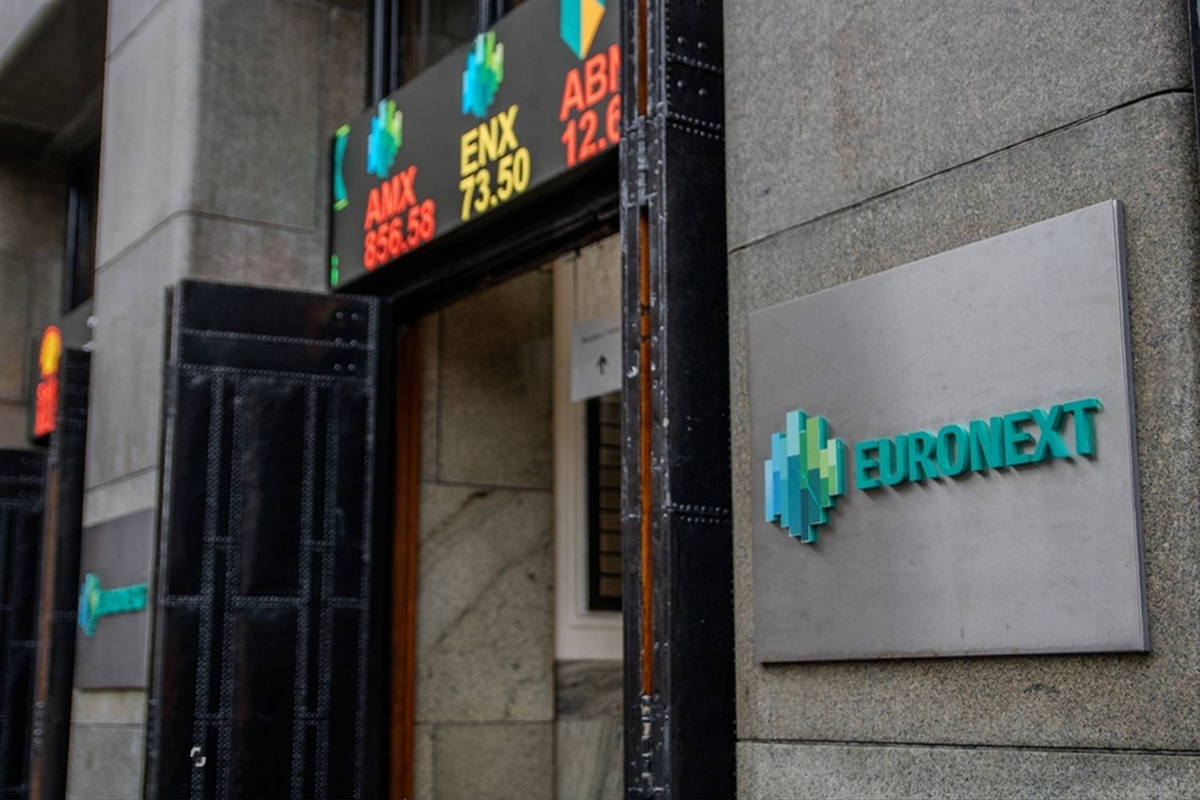
The Euronext 100 Index (^N100) concluded the trading week with a net 1.58% decline, ending at 1,907.86 and snapping a period of relative European market optimism. Following a week characterized by downward pressure and a mild Friday dip of 0.26%, the pan-European benchmark reflected a broader institutional pivot away from risk assets as investors reassessed the macroeconomic environment amid sudden geopolitical developments and localized sector rotations.
Tech Sector Unwind and Macro Pressures
Trading throughout the week saw early selling pressure heavily pull the index down from its Monday open of 1,913.47, plunging toward intraday weekly lows before stabilizing near the 1,900 threshold. A significant driver of this contraction was a systematic unwind in high-growth technology and semiconductor shares, triggered by mounting global concerns over elevated valuations in AI-related equities and shifting monetary expectations. As institutional capital rotated out of these heavily weighted European components, the broader Euronext 100 index struggled to build lasting upward momentum, even as it continued to trade comfortably within its wider 52-week range of 1,534.95 to 1,944.47. This targeted rotation suggests that global asset allocators are increasingly prioritizing resilient corporate fundamentals and established value sectors, rather than chasing momentum in an uncertain macroeconomic climate.
Geopolitical Premiums and Energy Volatility
Beyond sector-specific dynamics, European equities were heavily influenced by a sharp resurgence of geopolitical friction. Renewed tensions and military exchanges in the Middle East abruptly disrupted temporary ceasefire expectations, introducing a tangible geopolitical premium into global commodity pricing. Because the Eurozone remains structurally exposed to fluctuations in energy imports, the renewed prospect of a sustained energy supply shock represents a meaningful macroeconomic drag on corporate margins. Consequently, brief intraday technical rallies across French and European bourses were quickly faded by institutional desks. The combination of heightened currency volatility and shifting trade risk forced international portfolio managers—including Israeli investors managing cross-border exposures—to reassess their risk parity models and implement stricter defensive controls across their European allocations.
Outlook: Looking ahead, the trajectory for the Euronext 100 remains constructively balanced yet highly sensitive to incoming data and external shocks. While the index provides strategic asset entries for long-term allocators seeking diversified European exposure, near-term performance will depend heavily on the stabilization of tech valuations and the containment of global conflict. Potential escalations could severely impact regional fiscal outlooks, amplifying downside risks and keeping market participants defensive. Investors are therefore expected to adopt a probability-based approach, focusing on defensive margins and reliable yield generation in an increasingly complex macroeconomic landscape.
Comparison, examination, and analysis between investment houses
Leave your details, and an expert from our team will get back to you as soon as possible
* This article, in whole or in part, does not contain any promise of investment returns, nor does it constitute professional advice to make investments in any particular field.
To read more about the full disclaimer, click here
- Ronny Mor
- •
- 5 Min Read
- •
- ago 2 minutes
SKN | Japanese Yen Index Closes Lower Despite Late-Week Surge as BoJ Policy and Intervention Risks Loom
The Japanese Yen Currency Index (^XDN) concluded the trading week with a net 0.39% decline, ending at 61.83 after
- ago 2 minutes
- •
- 5 Min Read

The Japanese Yen Currency Index (^XDN) concluded the trading week with a net 0.39% decline, ending at 61.83 after

- omer bar
- •
- 5 Min Read
- •
- ago 20 minutes
SKN | SSE Composite Index Retreats Below 4,000 as Macro Headwinds Eclipse Targeted State Support
The SSE Composite Index (000001.SS) concluded the trading week with a net 1.17% weekly decline, ending at 3,996.16 after experiencing
- ago 20 minutes
- •
- 5 Min Read

The SSE Composite Index (000001.SS) concluded the trading week with a net 1.17% weekly decline, ending at 3,996.16 after experiencing

- Lior mor
- •
- 6 Min Read
- •
- ago 1 hour
SKN | British Pound Index Edges Higher Over the Week as Hawkish BoE Rhetoric Offsets Late Profit-Taking
The British Pound Currency Index (^XDB) concluded the trading week with a net 0.41% weekly gain, ending at 134.03
- ago 1 hour
- •
- 6 Min Read

The British Pound Currency Index (^XDB) concluded the trading week with a net 0.41% weekly gain, ending at 134.03

- Arik Arkadi Sluzki
- •
- 6 Min Read
- •
- ago 2 hours
SKN | Euro Currency Index Consolidates Near Annual Lows Amid Easing Inflation and Macro Uncertainty
The Euro Currency Index (^XDE) concluded the trading week with a modest 0.15% weekly decline, ending at 114.15 after experiencing
- ago 2 hours
- •
- 6 Min Read

The Euro Currency Index (^XDE) concluded the trading week with a modest 0.15% weekly decline, ending at 114.15 after experiencing


