





- sagi habasov
- •
- 6 Min Read
- •
- 3 hours ago
Key Points
- The European Central Bank’s TARGET2 (T2) payment system was restored after a short technical disruption impacted payments across the euro area.
- The incident briefly slowed interbank settlement flows, raising attention over operational resilience in core financial infrastructure.
- Authorities reported no evidence of financial loss, but markets remain sensitive to payment-system stability risks.
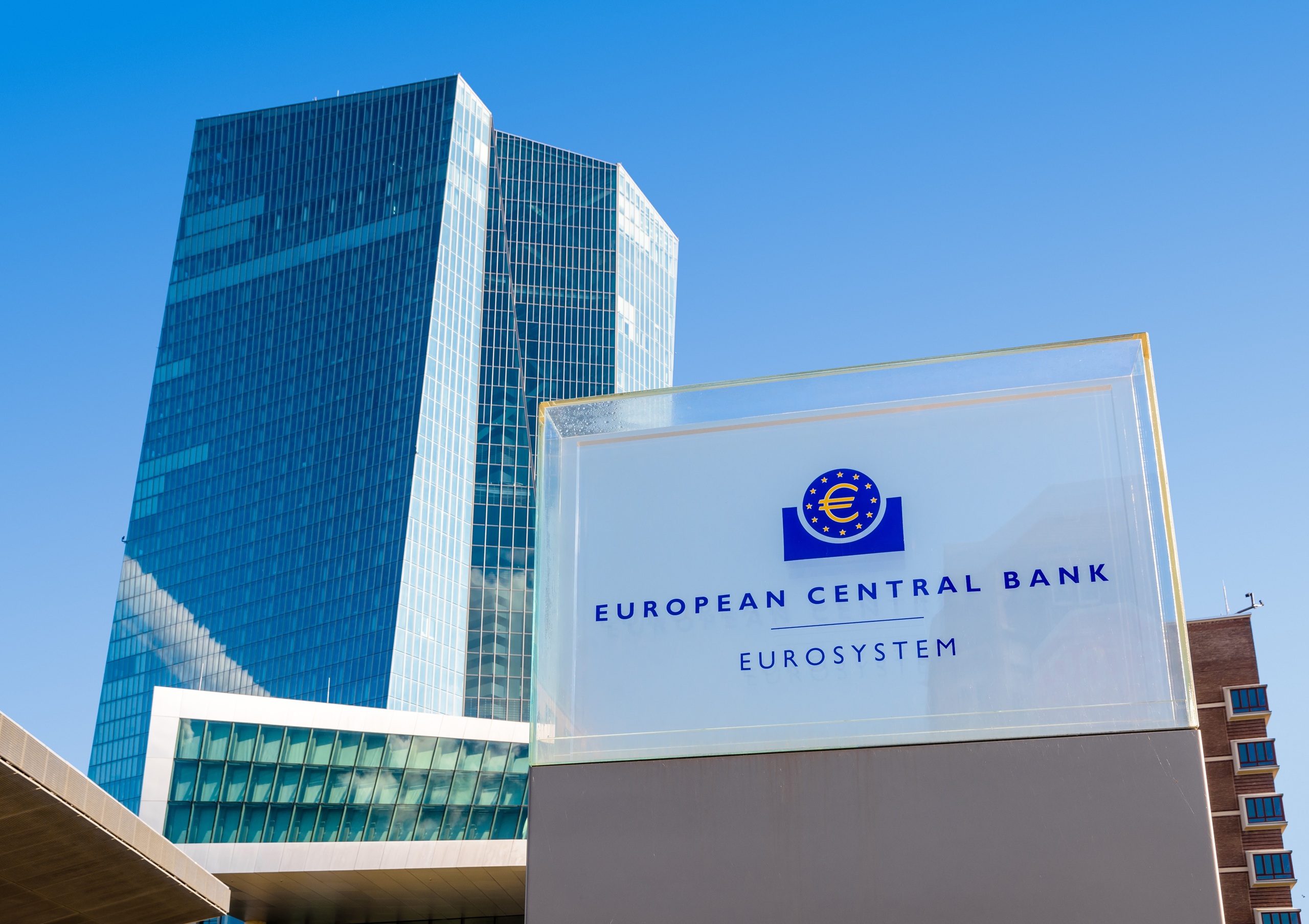
The European Central Bank’s TARGET2 (T2) payment system returned to normal operation after a brief technical incident disrupted payment processing across parts of the euro area. The outage temporarily affected interbank settlements and financial transactions, underscoring the critical role of real-time gross settlement systems in maintaining liquidity flow across Europe’s financial system.
Temporary Disruption and Market Functioning
The T2 system, which processes high-value euro-denominated payments between banks, experienced a short interruption that led to delays in transaction settlement. While the disruption was resolved within a limited timeframe, it briefly highlighted the sensitivity of financial infrastructure to operational interruptions.
During the incident, some banks reportedly experienced delays in executing payments, though no widespread systemic failure was observed. The ECB later confirmed that the system was fully restored and operating normally. Importantly, there were no indications of financial losses or lasting disruptions to market functioning.
Such systems are central to the euro-area financial architecture, handling trillions of euros in daily transactions. Even short-lived disruptions can temporarily affect liquidity distribution, especially in money markets where timing of settlements is critical.
Infrastructure Resilience and Financial Stability
The incident has renewed focus on the resilience of core payment infrastructure across Europe. TARGET2 is a cornerstone of the euro-area financial system, enabling real-time settlement between commercial banks and central banks. Any interruption, even brief, can prompt liquidity management adjustments among financial institutions.
From a broader perspective, central banks globally have been investing heavily in upgrading payment systems to enhance redundancy, cybersecurity, and operational continuity. The European Central Bank has already been transitioning toward next-generation settlement frameworks designed to improve efficiency and resilience.
While the disruption did not escalate into a systemic event, it serves as a reminder of the operational risks embedded in highly interconnected financial networks. Market participants increasingly rely on uninterrupted settlement systems to manage intraday liquidity, derivatives exposure, and cross-border capital flows.
Implications for Euro-Area Financial Infrastructure
Although the event was resolved quickly, it highlights the importance of continuous investment in financial infrastructure modernization. The euro area processes vast volumes of daily transactions across banking, sovereign debt, and corporate markets, making stability in settlement systems a foundational requirement for market confidence.
The ECB and national central banks are expected to continue prioritizing system resilience, particularly as digitalization increases transaction volumes and complexity. The growing integration of instant payments and digital financial services further amplifies the importance of robust backend infrastructure.
For financial institutions, even minor disruptions underscore the need for diversified liquidity management strategies and contingency frameworks to mitigate operational risk in real time.
Looking ahead, market attention is likely to remain focused on the reliability of core settlement systems as payment networks evolve. While no structural issues were identified in this incident, it reinforces the critical role of operational resilience in maintaining trust and efficiency across the euro-area financial system.
Comparison, examination, and analysis between investment houses
Leave your details, and an expert from our team will get back to you as soon as possible
* This article, in whole or in part, does not contain any promise of investment returns, nor does it constitute professional advice to make investments in any particular field.
To read more about the full disclaimer, click here
- Lior mor
- •
- 7 Min Read
- •
- ago 12 hours
SKN | Is the FIFA World Cup Fueling the Next Major Growth Wave for Prediction Markets?
The 2026 FIFA World Cup has become more than just the world's biggest sporting event—it has emerged as a major
- ago 12 hours
- •
- 7 Min Read

The 2026 FIFA World Cup has become more than just the world's biggest sporting event—it has emerged as a major

- orshu
- •
- 7 Min Read
- •
- ago 3 days
SKN | Dow Jones Closes at a Fresh Record as Blue-Chip Stocks Lead U.S. Market Rally
The Dow Jones Industrial Average (DJIA) ended the July 3 trading session at another all-time closing high, underscoring the continued
- ago 3 days
- •
- 7 Min Read

The Dow Jones Industrial Average (DJIA) ended the July 3 trading session at another all-time closing high, underscoring the continued
- orshu
- •
- 7 Min Read
- •
- ago 3 days
SKN | European Markets End Higher as Broad-Based Rally Signals Renewed Investor Confidence
European equity markets finished July 3 on a positive note as investors embraced risk across most major exchanges. Gains
- ago 3 days
- •
- 7 Min Read
European equity markets finished July 3 on a positive note as investors embraced risk across most major exchanges. Gains
- orshu
- •
- 7 Min Read
- •
- ago 3 days
SKN | Dow Leads Wall Street Higher as Investors Rotate Into Blue Chips While Technology Stocks Retreat
U.S. equity markets traded with mixed momentum on July 3, as investors shifted capital toward established blue-chip companies while
- ago 3 days
- •
- 7 Min Read

U.S. equity markets traded with mixed momentum on July 3, as investors shifted capital toward established blue-chip companies while


