


- orshu
- •
- 6 Min Read
- •
- 13 minutes ago
Key Points
- The Dow Jones Industrial Average dropped roughly 600 points as investors reacted to fears of a prolonged conflict involving Iran.
- Energy prices surged while defensive assets such as gold and U.S. Treasuries attracted safe-haven flows.
- Heightened volatility signals broader concerns about inflation, supply chains, and geopolitical spillover.
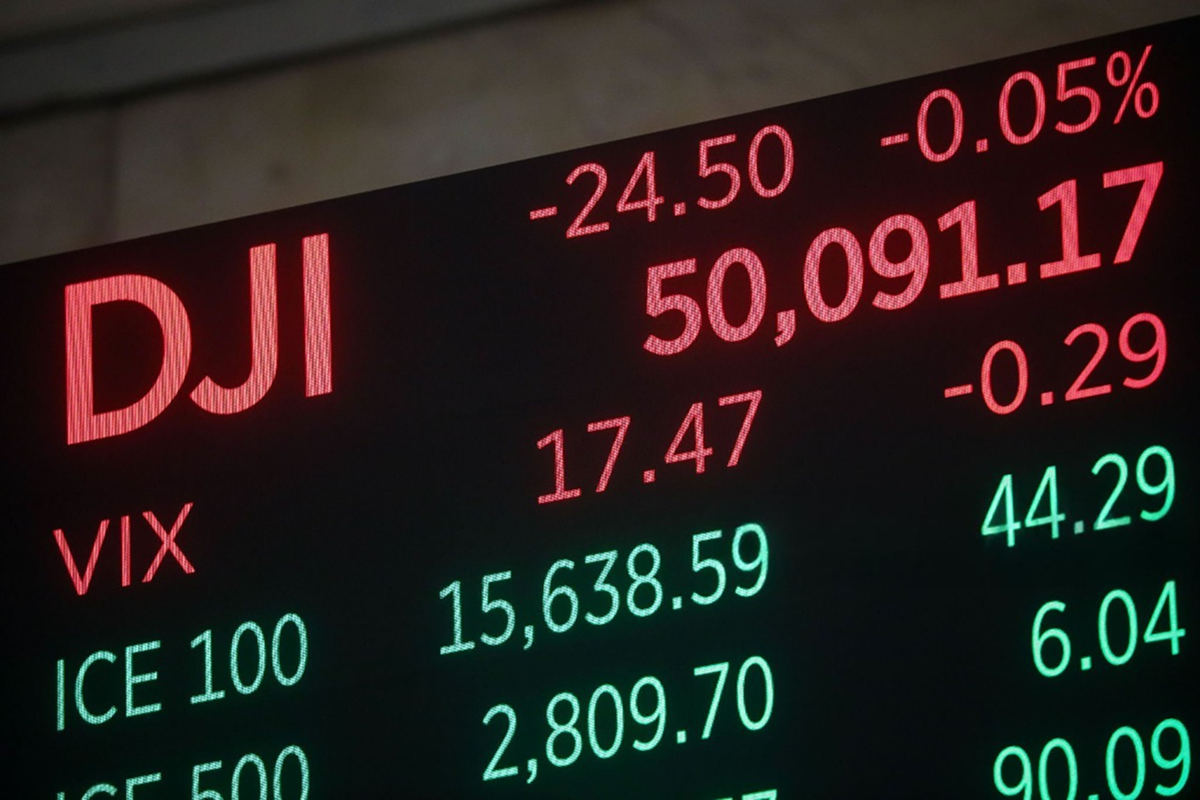
Wall Street experienced a sharp sell-off after rising geopolitical tensions involving Iran sparked fears of an extended regional conflict. The Dow Jones Industrial Average fell approximately 600 points in intraday trading, reflecting a decisive shift toward risk aversion. Investors rapidly recalibrated portfolios amid concerns that sustained instability in the Middle East could disrupt energy markets and global trade.
Equities Retreat as Risk Sentiment Deteriorates
The steep decline in the Dow was mirrored by weakness across major U.S. indices, with cyclical sectors bearing the brunt of the selling pressure. Industrials, airlines, and consumer discretionary stocks moved lower as traders assessed the potential impact of higher energy costs and reduced global demand. Technology shares also experienced volatility, though the sell-off was most pronounced in economically sensitive segments.
A 600-point move in the Dow represents more than a technical fluctuation; it reflects a broader repricing of geopolitical risk. Market participants are increasingly factoring in the possibility of sustained military engagement, which could weigh on corporate earnings expectations and global growth forecasts.
Energy Markets and Inflation Concerns
Oil prices rose sharply as investors anticipated potential supply disruptions in the Strait of Hormuz, a critical chokepoint for global crude exports. Historically, even the perception of instability in this region has triggered price spikes. Rising energy costs feed directly into inflation expectations, complicating central bank policy paths.
For the Federal Reserve and other global policymakers, a geopolitical-driven oil surge presents a dilemma. Tightening monetary policy to contain inflation could slow growth further, while maintaining accommodative stances risks allowing price pressures to persist. Bond yields fluctuated as traders balanced safe-haven demand with inflation risk premiums.
For Israel and neighboring economies, the geopolitical dimension carries additional strategic and economic implications. Regional escalation could affect currency stability, tourism, and cross-border investment flows.
Flight to Safety and Volatility Spike
Amid the equity downturn, traditional safe-haven assets attracted inflows. Gold prices climbed, and demand for U.S. Treasuries increased, reflecting capital preservation strategies. The VIX volatility index moved higher, underscoring elevated uncertainty levels.
Currency markets also responded, with the U.S. dollar strengthening against several major peers. A stronger dollar can tighten financial conditions globally, particularly for emerging markets with dollar-denominated debt. The broader financial ecosystem is therefore sensitive not only to direct conflict risk but also to secondary monetary and currency effects.
The reaction across asset classes highlights how interconnected modern markets have become. Equity weakness, commodity strength, and bond demand often form a synchronized pattern during geopolitical shocks.
Looking ahead, the trajectory of markets will depend on whether tensions de-escalate diplomatically or intensify into prolonged confrontation. Investors will closely monitor oil price stability, central bank communication, and corporate guidance for signals of sustained economic impact. Risks include further energy supply disruptions, inflation persistence, and tightening financial conditions. Opportunities may arise in sectors positioned to benefit from elevated defense spending or commodity strength, while defensive assets could remain supported if volatility endures. The coming sessions will test whether this sharp decline marks a temporary geopolitical repricing—or the beginning of a more durable shift in global risk perception.
Comparison, examination, and analysis between investment houses
Leave your details, and an expert from our team will get back to you as soon as possible
* This article, in whole or in part, does not contain any promise of investment returns, nor does it constitute professional advice to make investments in any particular field.
To read more about the full disclaimer, click here
- sagi habasov
- •
- 6 Min Read
- •
- ago 1 minute
SKN | Dow Falls 500 Points as Oil Tops $82 and Yields Rise — Is the Iran Conflict Becoming a Market Shock?
U.S. stocks retreated sharply Tuesday, erasing Monday’s dramatic rebound, as rising oil prices and climbing bond yields signaled that the
- ago 1 minute
- •
- 6 Min Read

U.S. stocks retreated sharply Tuesday, erasing Monday’s dramatic rebound, as rising oil prices and climbing bond yields signaled that the

- Ronny Mor
- •
- 5 Min Read
- •
- ago 51 minutes
SKN | MongoDB Shares Sink 27% as Cloud Growth Slows and Outlook Disappoints
Shares of MongoDB tumbled 27% after the database software company reported softer growth in its core cloud segment and
- ago 51 minutes
- •
- 5 Min Read

Shares of MongoDB tumbled 27% after the database software company reported softer growth in its core cloud segment and

- omer bar
- •
- 5 Min Read
- •
- ago 3 hours
SKN | U.S. Gasoline Prices Jump 11 Cents Overnight to $3.11 — Temporary Spike or Renewed Inflation Risk?
The average price for a gallon of regular gasoline in the United States rose 11 cents overnight to approximately
- ago 3 hours
- •
- 5 Min Read

The average price for a gallon of regular gasoline in the United States rose 11 cents overnight to approximately

- orshu
- •
- 6 Min Read
- •
- ago 3 hours
SKN| Israel Market Close Today, February 3, 2026: Tel Aviv Indices Surge Over 4% in Powerful Broad-Based Rally
Israeli financial markets closed on February 3, 2026, with an explosive rally that lifted all major equity indices by more
- ago 3 hours
- •
- 6 Min Read

Israeli financial markets closed on February 3, 2026, with an explosive rally that lifted all major equity indices by more

