


- sagi habasov
- •
- 6 Min Read
- •
- 2 hours ago
Key Points
- The Dow dropped more than 500 points as oil surged for a second straight day.
- Treasury yields climbed on fears that higher energy prices could reignite inflation.
- The reported closure of the Strait of Hormuz is reshaping market risk assumptions.

U.S. stocks retreated sharply Tuesday, erasing Monday’s dramatic rebound, as rising oil prices and climbing bond yields signaled that the deepening Iran conflict may carry more durable economic consequences than investors initially expected.
The Dow Jones Industrial Average fell roughly 570 points, or 1.2%, after being down more than 1,200 points at its intraday low. The S&P 500 declined 1.3%, while the Nasdaq Composite lost 1.4%. At session troughs, both the S&P 500 and Nasdaq were down more than 2.5%, underscoring the intensity of early selling pressure.
The reversal marks a clear shift from Monday’s dip-buying optimism toward a more cautious reassessment of geopolitical risk.
Oil Shock Fuels Inflation Concerns
Brent crude surged another 6%, topping $82 per barrel after a similar spike the previous day. West Texas Intermediate crude climbed above $75. The move reflects escalating fears that the U.S.-Iran conflict could significantly disrupt global supply flows, particularly following statements that the Strait of Hormuz has been closed.
Roughly 20% of global oil consumption passes through the Strait, making any sustained shutdown a material macro risk. Markets are increasingly pricing in the possibility that elevated energy costs could persist, pushing inflation expectations higher.
Treasury yields climbed in response, complicating the outlook for Federal Reserve rate cuts. Investors who had been banking on monetary easing to support economic growth are now forced to weigh the risk that sticky energy-driven inflation could delay policy accommodation.
Broad Selling Across Sectors
Selling pressure was widespread. All S&P 500 sectors traded in the red, with materials, industrials, and consumer discretionary stocks suffering the steepest losses. These sectors are particularly vulnerable to rising input costs and higher borrowing rates.
Technology names that had fueled Monday’s rebound, including Nvidia, moved lower. U.S. memory stocks followed declines seen in Asian semiconductor markets, highlighting cross-border sensitivity in supply chains.
Financial stocks were also under strain. Shares of Blackstone fell after reports of $1.7 billion in net outflows from one of its private credit funds, reinforcing concerns about liquidity pressures in alternative asset classes.
Even traditional defensive plays offered limited protection. Gold retreated after earlier gains, while the CBOE Volatility Index surged to its highest level since November, signaling rising demand for downside protection.
From Short-Term Shock to Duration Risk
Historically, U.S. markets have tended to recover quickly from geopolitical flare-ups. Monday’s rebound reflected that playbook. However, comments suggesting the conflict could last more than four weeks — and potentially far longer — have introduced duration risk into the equation.
A brief disruption may prove manageable. A prolonged conflict that sustains oil above $80 or pushes it materially higher could compress corporate margins, weigh on consumer spending, and revive inflation pressures at a delicate stage of the economic cycle.
Investors are now navigating a more complex landscape where oil prices, bond yields, and inflation expectations may drive equity direction more than earnings fundamentals in the near term.
The market’s message is clear: as long as the Strait of Hormuz remains closed and energy markets volatile, geopolitical risk cannot be treated as a temporary headline event.
Comparison, examination, and analysis between investment houses
Leave your details, and an expert from our team will get back to you as soon as possible
* This article, in whole or in part, does not contain any promise of investment returns, nor does it constitute professional advice to make investments in any particular field.
To read more about the full disclaimer, click here
- orshu
- •
- 6 Min Read
- •
- ago 2 minutes
SKN | Markets Tumble on March 3, 2026 as Volatility Spikes and Global Equities Slide
U.S. equity markets closed sharply lower on Tuesday, March 3, 2026, as a spike in volatility and a strengthening U.S.
- ago 2 minutes
- •
- 6 Min Read

U.S. equity markets closed sharply lower on Tuesday, March 3, 2026, as a spike in volatility and a strengthening U.S.
- orshu
- •
- 6 Min Read
- •
- ago 2 hours
SKN | Dow Plunges 600 Points as Escalating Iran Tensions Rattle Global Markets
Wall Street experienced a sharp sell-off after rising geopolitical tensions involving Iran sparked fears of an extended regional conflict.
- ago 2 hours
- •
- 6 Min Read
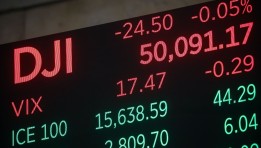
Wall Street experienced a sharp sell-off after rising geopolitical tensions involving Iran sparked fears of an extended regional conflict.

- Ronny Mor
- •
- 5 Min Read
- •
- ago 3 hours
SKN | MongoDB Shares Sink 27% as Cloud Growth Slows and Outlook Disappoints
Shares of MongoDB tumbled 27% after the database software company reported softer growth in its core cloud segment and
- ago 3 hours
- •
- 5 Min Read

Shares of MongoDB tumbled 27% after the database software company reported softer growth in its core cloud segment and

- omer bar
- •
- 5 Min Read
- •
- ago 5 hours
SKN | U.S. Gasoline Prices Jump 11 Cents Overnight to $3.11 — Temporary Spike or Renewed Inflation Risk?
The average price for a gallon of regular gasoline in the United States rose 11 cents overnight to approximately
- ago 5 hours
- •
- 5 Min Read

The average price for a gallon of regular gasoline in the United States rose 11 cents overnight to approximately

