


- Arik Arkadi Sluzki
- •
- 7 Min Read
- •
- 18 minutes ago
Key Points
- The U.S. dollar index (DXY) climbed sharply as geopolitical tensions intensified, triggering broad safe-haven flows.
- Risk-sensitive currencies and emerging markets weakened amid rising war-related uncertainty.
- Bond yields, oil prices, and equity volatility signal a broader risk-off repricing across global assets.
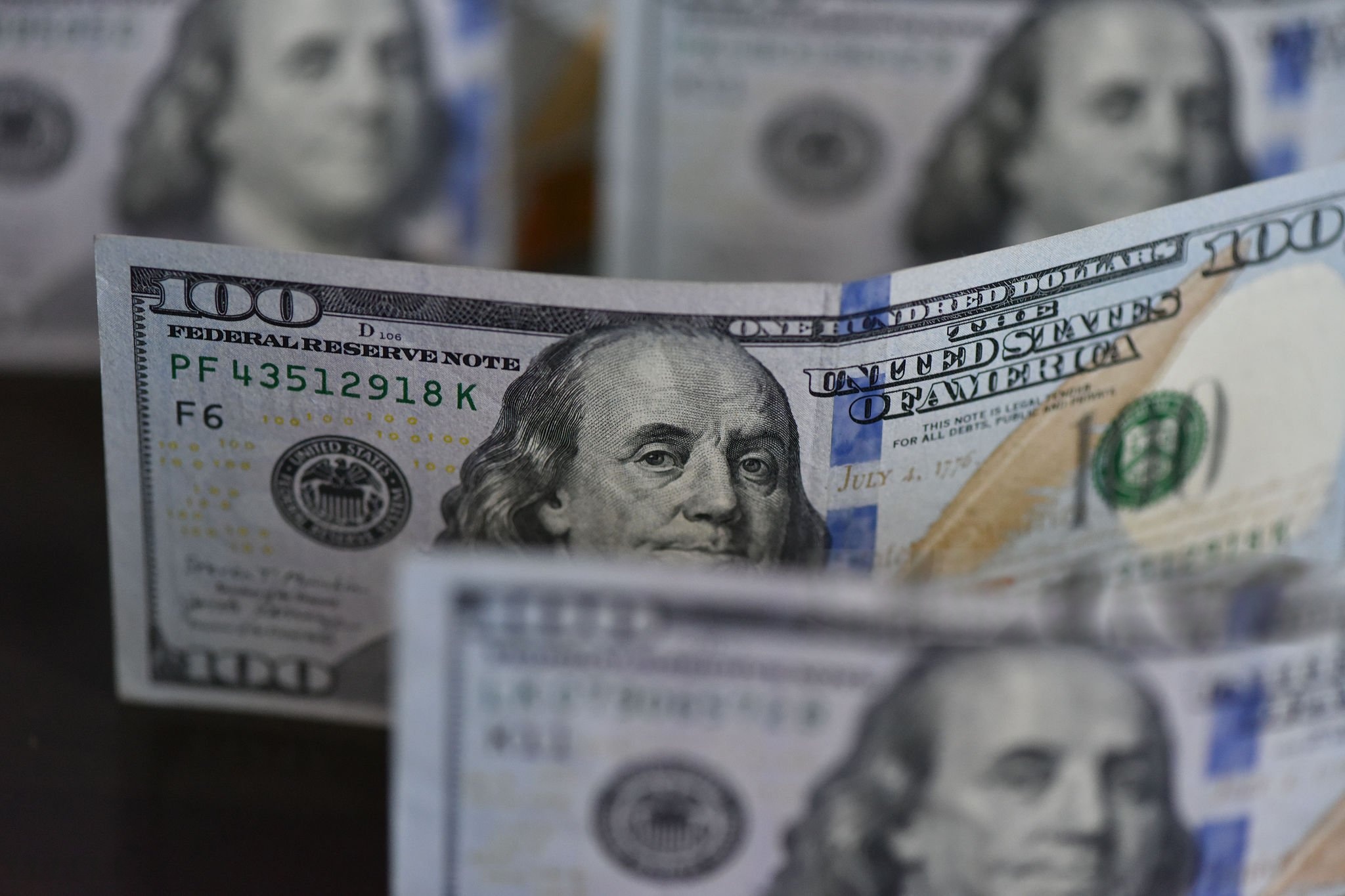
The U.S. dollar strengthened significantly as traders repositioned portfolios in response to escalating geopolitical tensions and the potential economic fallout of a broader conflict. The Dollar Index (DXY), which measures the greenback against a basket of major currencies, moved higher as investors sought liquidity and relative safety. The shift underscores the dollar’s enduring role as the world’s primary reserve currency during periods of acute uncertainty.
Safe-Haven Flows Lift the Greenback
Historically, the U.S. dollar benefits during episodes of geopolitical stress, and recent developments have followed a familiar pattern. As concerns about military escalation intensified, capital flowed into dollar-denominated assets, including U.S. Treasuries. This dynamic pushed the dollar higher against the euro, yen, and several emerging market currencies.
The appreciation reflects not only immediate risk aversion but also structural factors. The depth and liquidity of U.S. financial markets make them a preferred destination for global capital during crises. Even when U.S. involvement in geopolitical tensions is indirect, the dollar often strengthens due to global demand for funding stability and reserve assets.
In parallel, implied volatility in currency markets rose, suggesting traders are pricing in sustained uncertainty. Risk-sensitive currencies, particularly those tied to commodity imports or external financing needs, faced selling pressure as investors reduced exposure.
Energy Prices and Inflation Expectations
War-related tensions in strategically important regions have immediate implications for energy markets. Oil prices moved higher amid fears of potential supply disruptions, especially in areas critical to global shipping routes. Higher crude prices can reinforce inflationary pressures, complicating monetary policy decisions in major economies.
For central banks, including the Federal Reserve and the Bank of Israel, a stronger dollar combined with elevated energy costs presents a mixed picture. While a stronger dollar can dampen imported inflation in the United States, higher global energy prices may offset some of that benefit. In Israel, where energy imports and currency stability are key macroeconomic variables, dollar strength against the shekel can affect inflation expectations and hedging strategies among institutional investors.
Bond markets reflected this tension. While Treasury demand increased on safe-haven flows, longer-term yield movements remained sensitive to inflation expectations. The balance between recession risk and price pressures will likely determine the next phase of fixed-income performance.
Emerging Markets and Capital Reallocation
Emerging market assets typically bear the brunt of dollar surges during geopolitical crises. A stronger dollar raises external borrowing costs for countries with dollar-denominated debt, increasing refinancing risks. Equity markets in parts of Asia and the Middle East experienced heightened volatility as global funds reassessed exposure.
For Israeli institutional portfolios with global allocations, the currency dynamic introduces both risk and opportunity. Dollar-denominated assets may provide short-term stability, but currency volatility can also influence hedging costs and cross-border investment returns. The Tel Aviv Stock Exchange has historically shown sensitivity to regional developments, although domestic fundamentals and monetary policy credibility remain stabilizing factors.
The broader market narrative now centers on duration and scale. If geopolitical tensions remain contained, the dollar’s surge could moderate as risk appetite gradually returns. However, sustained escalation may reinforce the greenback’s upward trajectory and deepen the risk-off environment across equities and credit markets.
Looking ahead, traders will monitor diplomatic developments, energy supply signals, and central bank communications for guidance. The trajectory of the U.S. dollar will depend not only on conflict dynamics but also on relative growth differentials and interest rate expectations. In an environment where uncertainty dominates, currency markets are likely to remain a leading indicator of global risk sentiment.
Comparison, examination, and analysis between investment houses
Leave your details, and an expert from our team will get back to you as soon as possible
* This article, in whole or in part, does not contain any promise of investment returns, nor does it constitute professional advice to make investments in any particular field.
To read more about the full disclaimer, click here
- omer bar
- •
- 6 Min Read
- •
- ago 6 days
SKN | Dollar Rebounds Above 97.8: Is Tariff Turbulence Reviving Safe-Haven Demand?
The U.S. dollar regained ground Tuesday, with the Dollar Index climbing above 97.8 after weakness in the prior session, as
- ago 6 days
- •
- 6 Min Read
The U.S. dollar regained ground Tuesday, with the Dollar Index climbing above 97.8 after weakness in the prior session, as
- omer bar
- •
- 7 Min Read
- •
- ago 7 days
SKN | Are Treasury Bears Regaining Control as Deficit Risks and Fed Signals Shift Bond Momentum?
Momentum in the $31 trillion US Treasury market is tilting back toward bond bears as a combination of fiscal uncertainty,
- ago 7 days
- •
- 7 Min Read
Momentum in the $31 trillion US Treasury market is tilting back toward bond bears as a combination of fiscal uncertainty,

- sagi habasov
- •
- 7 Min Read
- •
- ago 2 weeks
SKN | Treasury Yields Edge Higher Ahead of Fed Minutes: Will Policymakers Signal a Shift?
U.S. Treasury yields ticked higher as investors positioned cautiously ahead of the Federal Reserve’s January meeting minutes, due for release
- ago 2 weeks
- •
- 7 Min Read
U.S. Treasury yields ticked higher as investors positioned cautiously ahead of the Federal Reserve’s January meeting minutes, due for release
- sagi habasov
- •
- 6 Min Read
- •
- ago 2 weeks
SKN | Stocks and Bonds Drift in Holiday-Thinned Trade: What the Muted Volatility Signals for Global Investors
Stocks and bonds moved within narrow but uneven ranges as holiday-thinned trading reduced liquidity across major financial centers. With
- ago 2 weeks
- •
- 6 Min Read

Stocks and bonds moved within narrow but uneven ranges as holiday-thinned trading reduced liquidity across major financial centers. With

