


- sagi habasov
- •
- 7 Min Read
- •
- 30 minutes ago
Key Points
- The Supreme Court invalidated key emergency tariffs but alternative trade laws remain available.
- Effective tariff rates could return above 10% if new measures are implemented.
- Policy uncertainty continues to weigh on business investment and hiring decisions.
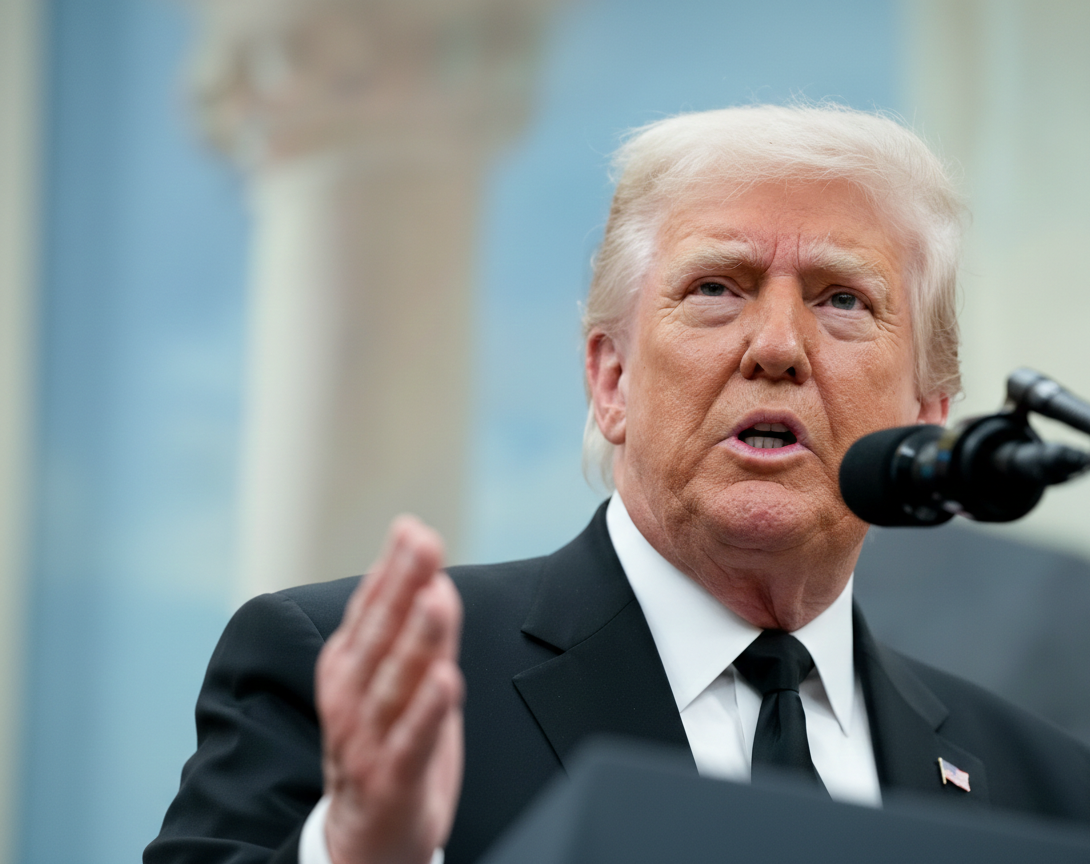
The U.S. Supreme Court delivered what many economists viewed as a potential off ramp for President Donald Trump’s aggressive tariff agenda, ruling 6–3 that key elements of his emergency-based import levies were unlawful. Markets initially interpreted the decision as a possible step toward reduced trade friction and lower consumer costs. Yet within hours, Trump signaled he would not retreat. Instead, he moved to deploy alternative statutory authorities to maintain — and potentially expand — tariffs. The result: trade uncertainty remains entrenched, with implications for growth, inflation, and capital investment.
A Legal Setback — but Not a Policy Retreat
The Court’s ruling struck down many of the tariffs enacted under emergency powers, but it left other trade authorities untouched. Trump quickly announced a 10% global tariff under Section 122 of the 1974 Trade Act, later raising it to the statutory ceiling of 15%. While Section 122 tariffs require congressional approval beyond 150 days, the administration has suggested flexibility in how that timeline may be managed.
Additional options remain on the table. Section 301 of the 1974 Trade Act permits tariffs following investigations into unfair trade practices, with no explicit ceiling on rate or duration. Trump also referenced Section 338 of the Tariff Act of 1930, a rarely used provision that could authorize tariffs up to 50% on countries deemed discriminatory — a mechanism rooted in the era of Smoot-Hawley.
The effective U.S. tariff rate, which stood near 10% prior to the ruling, has fallen to roughly 4.5% but could climb back above previous levels if new authorities are aggressively applied. For businesses and investors, the key issue is not merely the rate itself but the unpredictability of its evolution.
Investment Drag and Labor Market Signals
Economic data suggest tariffs have already weighed on corporate behavior. Business investment outside the technology sector contracted last year — a rare occurrence outside recessionary periods. Job growth also slowed significantly, marking the weakest year for employment gains since 2003 outside of downturns. Manufacturing employment, despite being a central target of tariff protection, declined by more than 80,000 positions.
Economists argue that policy volatility — rather than tariff magnitude alone — has contributed to capital expenditure hesitancy. Even if average tariff levels remain steady, shifts in product-specific or country-specific duties create relative winners and losers, complicating supply-chain planning.
Some analysts project that the administration may use overlapping legal frameworks to maintain overall tariff pressure while redistributing its structure. Such realignment could further cloud business outlooks, particularly in trade-exposed industries.
Prices, Politics, and Policy Risk
From a consumer perspective, the Supreme Court decision is unlikely to bring immediate relief. Companies rarely lower prices once raised, particularly amid policy ambiguity. Even if courts ultimately require refunds of previously collected tariff revenue — estimated at $134 billion — economists expect limited pass-through to shoppers.
Estimates suggest tariffs increased average household tax burdens by roughly $1,000 last year, with projections of further increases prior to the Court’s intervention. Yet public opinion toward tariffs has grown more negative, particularly as elevated prices persist.
The broader irony is that a judicial check intended to limit executive overreach may instead catalyze alternative pathways for continued tariff expansion. Investors now face a landscape in which legal authority, political calculus, and economic impact intersect.
Looking ahead, markets will closely monitor whether Congress intervenes, how courts interpret refund obligations, and whether international partners respond with countermeasures. In a fragile macro environment marked by slowing growth and geopolitical tension, trade policy remains a critical variable. Rather than reducing uncertainty, the ruling may simply have reshaped its form.
Comparison, examination, and analysis between investment houses
Leave your details, and an expert from our team will get back to you as soon as possible
* This article, in whole or in part, does not contain any promise of investment returns, nor does it constitute professional advice to make investments in any particular field.
To read more about the full disclaimer, click here
- Lior mor
- •
- 5 Min Read
- •
- ago 9 hours
SKN | Supreme Court Ruling Against Tariffs: Can Trump Outmaneuver China on the Road to the Beijing Summit?
The U.S. Supreme Court has dealt a significant blow to Trump’s trade policy by nullifying his sweeping tariffs. While Beijing
- ago 9 hours
- •
- 5 Min Read
The U.S. Supreme Court has dealt a significant blow to Trump’s trade policy by nullifying his sweeping tariffs. While Beijing
- Lior mor
- •
- 7 Min Read
- •
- ago 15 hours
SKN | Can Geneva Talks Break the Iran-US Nuclear Deadlock Before Military Deadlines Expire?
The United States and Iran are set to resume nuclear negotiations in Geneva on Feb. 26, with Omani mediators signaling
- ago 15 hours
- •
- 7 Min Read

The United States and Iran are set to resume nuclear negotiations in Geneva on Feb. 26, with Omani mediators signaling

- omer bar
- •
- 7 Min Read
- •
- ago 20 hours
SKN | Will Trump’s Warning to Netflix Escalate Corporate-Political Tensions on Wall Street?
Former President Donald Trump’s call for Netflix to remove board member Susan Rice — or “pay the consequences” — adds
- ago 20 hours
- •
- 7 Min Read
Former President Donald Trump’s call for Netflix to remove board member Susan Rice — or “pay the consequences” — adds

- sagi habasov
- •
- 8 Min Read
- •
- ago 5 days
SKN | Trump Administration Backs Prediction Markets: Will Kalshi and Polymarket Override State Gambling Laws?
The Trump administration has stepped into a high-stakes legal battle between federal regulators and state authorities, throwing its support behind
- ago 5 days
- •
- 8 Min Read
The Trump administration has stepped into a high-stakes legal battle between federal regulators and state authorities, throwing its support behind

