


- sagi habasov
- •
- 6 Min Read
- •
- 13 minutes ago
Key Points
- Foreign exchange markets are reflecting expectations of a potential supply-side inflation shock.
- Commodity-linked currencies are firming, while import-dependent economies face renewed pressure.
- Bond yields and FX volatility suggest central banks may be constrained in their policy response.
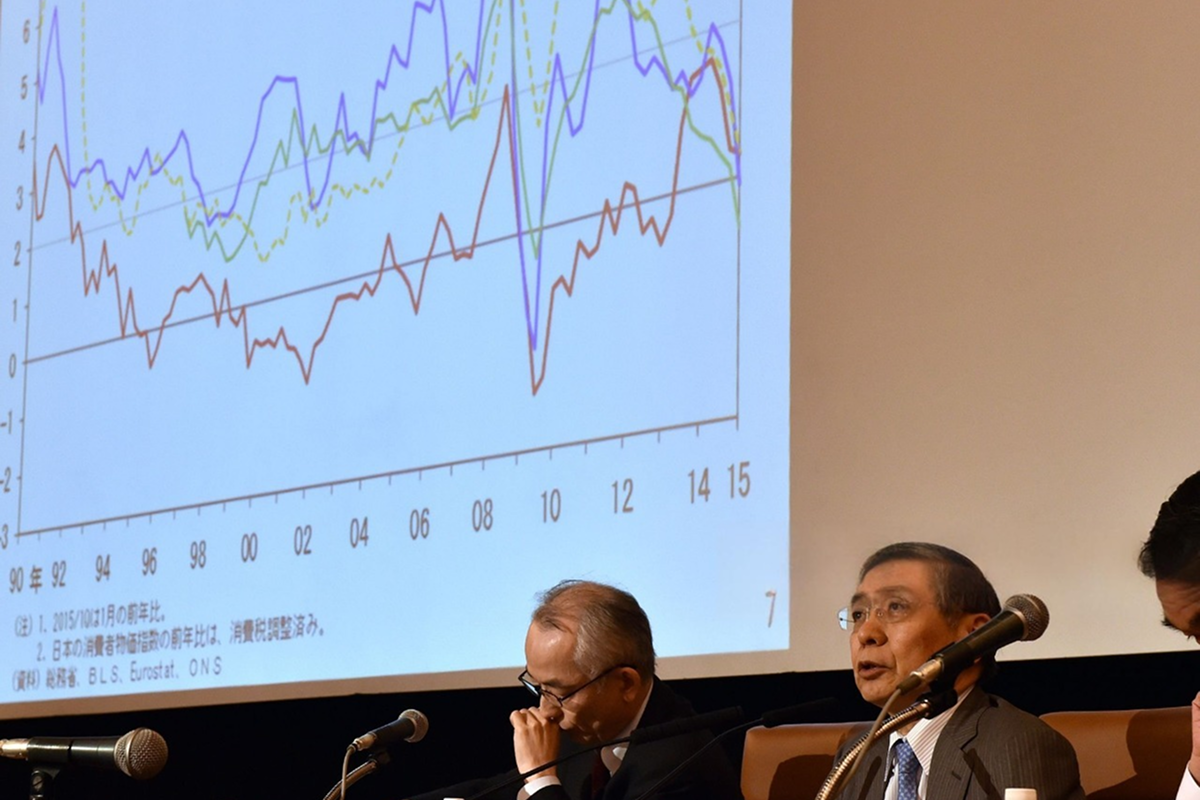
Global currency markets are increasingly pricing in the risk of a supply-driven inflation resurgence. Moves across the U.S. dollar, commodity-linked currencies, and emerging market FX pairs indicate that traders are reassessing inflation dynamics not as a demand story, but as a production and logistics shock. This shift carries significant implications for monetary policy, capital flows, and cross-border investment strategies.
FX Markets React to Commodity and Supply Pressures
Recent price action in energy, industrial metals, and agricultural commodities has prompted renewed concern over cost-push inflation. When supply disruptions occur—whether due to geopolitical tensions, trade fragmentation, or production constraints—input costs rise across sectors. Currency markets often respond before headline inflation data reflects these pressures.
Commodity-exporting nations tend to benefit in such environments. Their currencies typically strengthen as higher export revenues improve trade balances. Conversely, economies reliant on imported energy and raw materials can experience currency depreciation, amplifying domestic inflation through weaker exchange rates.
This divergence highlights how foreign exchange markets function as early-warning systems, transmitting inflation expectations across borders in real time.
Bond Yields and Policy Constraints
Rising sovereign bond yields in major economies further reinforce the inflation narrative. When markets anticipate sustained price pressures, longer-dated yields often adjust upward to reflect higher inflation risk premiums. Currency traders closely monitor these yield differentials, as they influence capital allocation and carry trade strategies.
Central banks face a complex challenge. A supply-side inflation shock differs materially from demand-driven overheating. Tightening monetary policy aggressively in response to supply disruptions may suppress growth without resolving the underlying constraints. As a result, FX markets may be pricing a scenario in which policymakers remain cautious, potentially allowing inflation to remain above target for longer.
This dynamic can create volatility in both developed and emerging market currencies, particularly where fiscal conditions are fragile.
Regional Implications and Global Capital Flows
In Europe, currency fluctuations reflect sensitivity to energy imports and industrial exposure. The euro’s trajectory often mirrors shifts in energy costs and European Central Bank communication. Meanwhile, the U.S. dollar’s strength remains tied to interest rate expectations and its safe-haven status during global uncertainty.
For Israel and other small open economies, currency movements play a crucial role in domestic inflation transmission. A weaker local currency can intensify imported price pressures, influencing central bank policy deliberations and bond market dynamics.
Emerging markets may face additional strain if capital flows reverse in response to yield differentials. Higher U.S. yields can attract global liquidity, pressuring emerging market FX and increasing refinancing costs.
Looking ahead, the trajectory of currency market pricing will depend on commodity trends, geopolitical developments, and central bank communication strategies. Risks include prolonged supply disruptions, renewed trade fragmentation, or energy price spikes that reinforce inflation expectations. Opportunities may arise in relative value strategies as markets differentiate between structurally resilient economies and those vulnerable to imported cost pressures. Investors will closely monitor bond spreads, FX volatility indices, and inflation breakevens to assess whether this supply-driven narrative deepens—or moderates as production constraints ease in the months ahead.
Comparison, examination, and analysis between investment houses
Leave your details, and an expert from our team will get back to you as soon as possible
* This article, in whole or in part, does not contain any promise of investment returns, nor does it constitute professional advice to make investments in any particular field.
To read more about the full disclaimer, click here
- Lior mor
- •
- 6 Min Read
- •
- ago 10 hours
SKN | Can Europe’s Economy Withstand the Iran War if It Ends Within a Month?
The trajectory of Europe’s economic recovery may hinge on a single variable: duration. If the current Iran conflict subsides within
- ago 10 hours
- •
- 6 Min Read

The trajectory of Europe’s economic recovery may hinge on a single variable: duration. If the current Iran conflict subsides within

- Articles
- •
- 6 Min Read
- •
- ago 13 hours
SKN | China’s Growth Ambitions Confront Limits as National Congress Opens
China entered its annual political session with economic ambitions tempered by the realities of slower growth. The National People’s Congress
- ago 13 hours
- •
- 6 Min Read

China entered its annual political session with economic ambitions tempered by the realities of slower growth. The National People’s Congress

- orshu
- •
- 6 Min Read
- •
- ago 23 hours
SKN | U.S. Dollar Index Climbs Toward 98.50 on March 2: Safe-Haven Demand or Policy Repricing?
The U.S. Dollar Index (DXY) advanced on March 2, gaining 0.79% to 98.38 during U.S. trading hours. The move
- ago 23 hours
- •
- 6 Min Read

The U.S. Dollar Index (DXY) advanced on March 2, gaining 0.79% to 98.38 during U.S. trading hours. The move

- sagi habasov
- •
- 7 Min Read
- •
- ago 2 days
SKN | Will AI-Driven Market Volatility Intensify as U.S. Jobs Data Tests Investor Confidence?
Artificial intelligence continues to dominate global equity narratives, but attention is shifting toward a critical macro catalyst: the upcoming U.S.
- ago 2 days
- •
- 7 Min Read

Artificial intelligence continues to dominate global equity narratives, but attention is shifting toward a critical macro catalyst: the upcoming U.S.

