


- sagi habasov
- •
- 6 Min Read
- •
- 2 months ago
Key Points
- Equifax and TransUnion shares declined after Pulte signaled efforts to pressure credit pricing.
- The move raises questions about the sustainability of credit bureau margins amid rising scrutiny from large corporate users.
- Investor focus is shifting to pricing power and regulatory risk across the consumer credit data ecosystem.
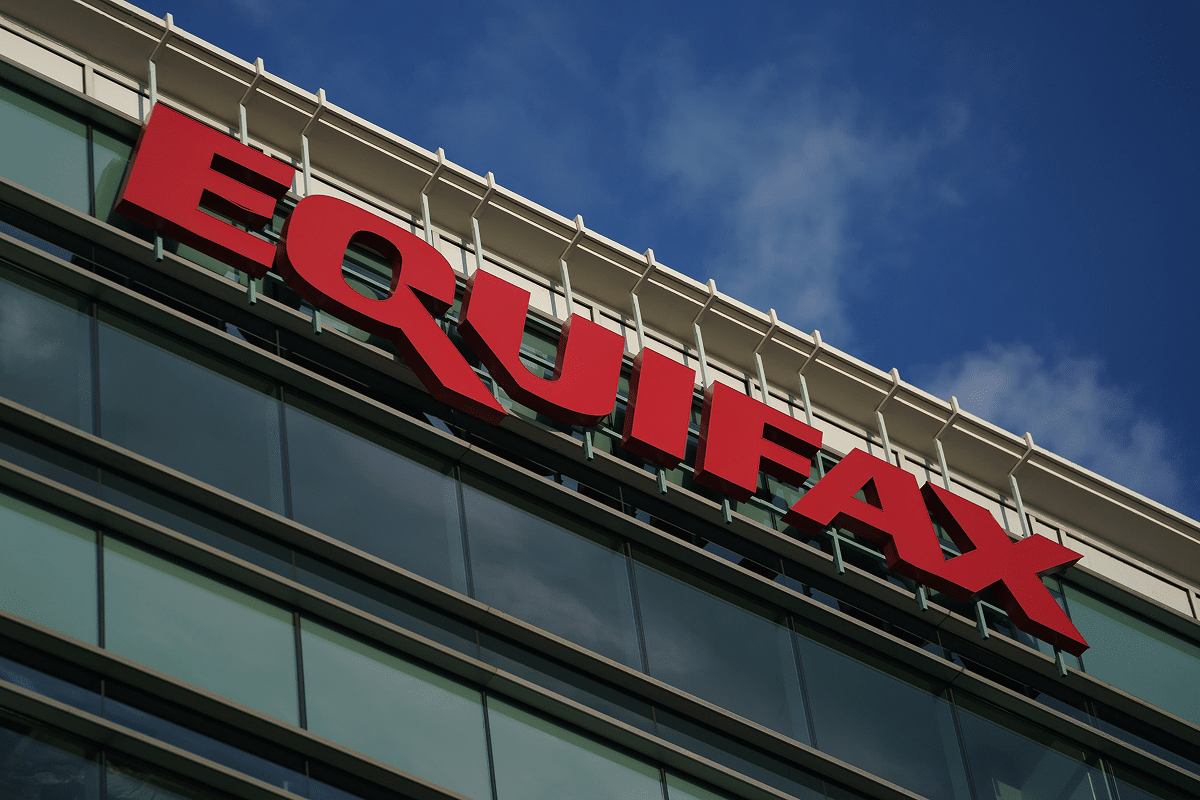
Shares of major US credit bureaus Equifax and TransUnion fell after housing executive Bill Pulte publicly criticized credit report pricing and indicated plans to challenge current fee structures. The reaction underscores growing investor sensitivity to business models that rely on entrenched pricing power at a time when cost pressures and regulatory attention are intensifying.
Market Reaction Highlights Sensitivity to Pricing Risk
Equifax and TransUnion underperformed the broader market as investors reassessed the durability of revenue streams tied to mortgage and consumer credit activity. While no immediate policy changes were announced, the public nature of the criticism was enough to trigger a repricing, reflecting concern that large-scale customers could increasingly push back against fees.
Credit bureaus generate a significant portion of revenue from mortgage-related credit checks, identity verification, and analytics services. These fees have historically been resilient, supported by regulatory requirements and limited competition. Any perception that pricing could face pressure therefore carries outsized implications for earnings expectations.
Strategic Implications for the Credit Data Industry
Pulte’s comments tap into a broader debate around the cost of credit data in the US housing and lending system. Mortgage originators and homebuilders have long argued that credit report fees add friction to affordability, particularly in a higher interest rate environment. If these concerns gain traction, they could lead to calls for greater transparency or alternative pricing models.
For Equifax and TransUnion, the challenge lies in balancing client relationships with maintaining margins. Both companies have invested heavily in analytics, fraud prevention, and data security, positioning themselves as essential infrastructure providers rather than commoditized data vendors. This strategy has supported premium pricing, but it also raises expectations around value delivery.
Macro and Regulatory Context Adds Complexity
The episode unfolds against a backdrop of moderating mortgage activity and ongoing regulatory scrutiny of consumer data practices. Higher interest rates have slowed housing transactions, reducing volume-driven revenue growth for credit bureaus. At the same time, regulators continue to examine data accuracy, consumer rights, and competition within the credit reporting market.
For global investors, including those in Israel, the situation highlights how US regulatory and pricing dynamics can affect companies that operate as data gatekeepers. Credit bureaus are often viewed as stable, defensive holdings, but recent developments suggest that even entrenched platforms are not immune to disruption when political, corporate, and consumer interests align.
Looking ahead, markets will watch whether Pulte’s stance translates into coordinated industry action, regulatory proposals, or negotiations with credit bureaus. Key risks include margin compression, heightened regulatory intervention, or reputational pressure that forces changes in pricing structures. Opportunities may arise if credit bureaus successfully demonstrate the value of their expanded analytics offerings or diversify revenue away from mortgage-heavy segments. For now, the pullback in Equifax and TransUnion shares reflects a market recalibrating expectations around pricing power in an increasingly contested data economy.
Comparison, examination, and analysis between investment houses
Leave your details, and an expert from our team will get back to you as soon as possible
* This article, in whole or in part, does not contain any promise of investment returns, nor does it constitute professional advice to make investments in any particular field.
To read more about the full disclaimer, click here
- omer bar
- •
- 6 Min Read
- •
- ago 33 minutes
SKN | Is the Greenback Regaining Dominance? US Dollar Index Surges Past 100 in Strong Weekly Rally
The US Dollar Index demonstrated formidable upward momentum this week, decisively breaking through key resistance levels to close at
- ago 33 minutes
- •
- 6 Min Read

The US Dollar Index demonstrated formidable upward momentum this week, decisively breaking through key resistance levels to close at

- Arik Arkadi Sluzki
- •
- 7 Min Read
- •
- ago 9 hours
SKN | Oracle Shares Surge on Strong Cloud Outlook — What Investors Are Watching Next
Oracle Corporation shares moved higher following a strong outlook that highlighted accelerating demand for the company’s cloud infrastructure services.
- ago 9 hours
- •
- 7 Min Read

Oracle Corporation shares moved higher following a strong outlook that highlighted accelerating demand for the company’s cloud infrastructure services.

- Ronny Mor
- •
- 7 Min Read
- •
- ago 9 hours
SKN | One High-Growth Technology Stock Drawing Investor Attention — And Two Facing Increasing Market Pressure
Global equity markets have entered a more selective phase as investors reassess valuations across high-growth technology companies. Rising interest
- ago 9 hours
- •
- 7 Min Read

Global equity markets have entered a more selective phase as investors reassess valuations across high-growth technology companies. Rising interest
- Arik Arkadi Sluzki
- •
- 7 Min Read
- •
- ago 10 hours
SKN | Formula 1 Faces Strategic Test as Middle East Tensions Intensify
Global sporting events are increasingly intersecting with geopolitical risk, and Formula 1 is now facing the possibility of significant calendar
- ago 10 hours
- •
- 7 Min Read

Global sporting events are increasingly intersecting with geopolitical risk, and Formula 1 is now facing the possibility of significant calendar

