





- Ronny Mor
- •
- 7 Min Read
- •
- 7 hours ago
Key Points
- Energy markets are increasingly evaluating the Strait of Malacca as a potential geopolitical risk to global oil supply chains.
- Nearly one-quarter of the world's seaborne traded oil passes through the narrow shipping lane, making it one of the world's most strategically important maritime corridors.
- While no immediate disruption is expected, investors are assigning a higher geopolitical premium to oil prices as global shipping security remains under close scrutiny.
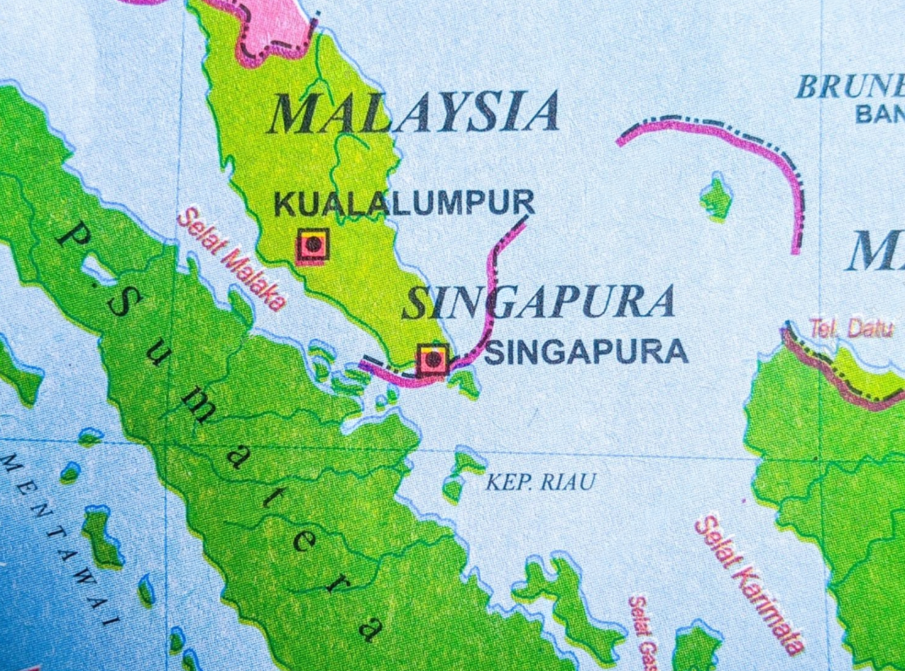
Global energy markets spent the week reassessing geopolitical risks beyond the Middle East, with growing attention turning toward the Strait of Malacca—one of the world’s busiest maritime trade routes. Although the waterway remains fully operational, recent discussions among market participants underscore how vulnerable global oil supply chains could become if disruptions were to emerge in Southeast Asia.
The renewed focus reflects a broader shift in investor sentiment, where energy security has become an increasingly important driver of commodity pricing alongside traditional supply-and-demand fundamentals. For institutional investors, geopolitical risk premiums are once again becoming a meaningful component of oil market valuation.
The World’s Most Critical Energy Corridor
Stretching between Malaysia, Singapore and Indonesia, the Strait of Malacca serves as one of the world’s most important maritime chokepoints. According to international energy agencies, roughly 20 million barrels of crude oil and petroleum products pass through the corridor each day, representing approximately one-quarter of global seaborne oil trade.
The route is particularly critical for major Asian economies, including China, Japan, South Korea and Singapore, all of which rely heavily on imported energy supplies. Any interruption—whether from military tensions, piracy, accidents or shipping restrictions—could force vessels onto significantly longer alternative routes, increasing transportation costs and delaying deliveries across global markets.
Oil Markets Price in Geopolitical Risk
While no direct threat to commercial shipping has materialized this week, investors have demonstrated greater sensitivity to geopolitical developments following recent disruptions affecting other strategic waterways. Energy traders increasingly recognize that concentrated shipping routes represent potential sources of supply-chain volatility even without an actual interruption in oil production.
The result has been a gradual increase in the geopolitical premium embedded within crude oil prices. Insurance costs, freight rates and shipping risk assessments remain important variables for commodity traders, particularly as global inventories remain relatively balanced rather than exceptionally abundant.
Implications for Global Markets and Israeli Investors
For global investors, heightened attention toward maritime logistics reinforces the importance of monitoring infrastructure risks alongside economic data. Rising transportation costs could eventually influence inflation expectations, corporate margins and central bank policy if disruptions become prolonged.
For Israeli investors, developments surrounding global energy transportation remain particularly relevant. Israel’s economy is closely integrated into international trade flows, while fluctuations in energy prices can affect inflation, currency movements and portfolio allocations across commodities, equities and fixed-income assets.
Additionally, market participants continue to balance geopolitical concerns against broader macroeconomic factors, including slowing global growth, evolving monetary policy expectations and fluctuations in demand from major importing nations. These competing forces may continue producing elevated volatility across energy markets.
Outlook: Looking ahead, the Strait of Malacca is likely to remain a key focus for energy investors, even if no immediate disruption occurs. Markets will closely monitor regional security developments, shipping activity and diplomatic relations across the Indo-Pacific. Should geopolitical tensions remain contained, the current risk premium could gradually moderate. However, downside risks remain significant if maritime security deteriorates or if broader geopolitical conflicts expand into critical trade routes. Professional investors are therefore likely to continue incorporating shipping-route resilience, supply-chain diversification and geopolitical uncertainty into their long-term energy market assessments rather than relying solely on traditional supply-and-demand indicators.
Comparison, examination, and analysis between investment houses
Leave your details, and an expert from our team will get back to you as soon as possible
* This article, in whole or in part, does not contain any promise of investment returns, nor does it constitute professional advice to make investments in any particular field.
To read more about the full disclaimer, click here
- Arik Arkadi Sluzki
- •
- 6 Min Read
- •
- ago 5 hours
SKN | Oil Returns to Pre-War Levels: How Global Markets Absorbed a Historic Supply Shock
The global oil market has moved from a period of extreme uncertainty back toward relative stability, with crude prices
- ago 5 hours
- •
- 6 Min Read

The global oil market has moved from a period of extreme uncertainty back toward relative stability, with crude prices

- omer bar
- •
- 7 Min Read
- •
- ago 7 hours
SKN | Oil Prices Climb as Reported Iranian Attack Near the Strait of Hormuz Rekindles Global Supply Concerns
Oil markets ended the week on a firmer footing as reports of an alleged Iranian attack involving commercial ships
- ago 7 hours
- •
- 7 Min Read

Oil markets ended the week on a firmer footing as reports of an alleged Iranian attack involving commercial ships
- omer bar
- •
- 6 Min Read
- •
- ago 16 hours
SKN | Oil Prices Rebound as Markets Shift Focus to Supply Recovery and Global Demand Outlook
Oil prices moved higher as market attention shifted from short-term production increases toward the broader balance between recovering supply and
- ago 16 hours
- •
- 6 Min Read

Oil prices moved higher as market attention shifted from short-term production increases toward the broader balance between recovering supply and

- Lior mor
- •
- 6 Min Read
- •
- ago 1 day
SKN | Can Gold Hold Its Recovery as Investors Await Key Federal Reserve Signals?
Gold prices pulled back on Monday after briefly reaching their highest level in two weeks, as a firmer U.S. dollar
- ago 1 day
- •
- 6 Min Read

Gold prices pulled back on Monday after briefly reaching their highest level in two weeks, as a firmer U.S. dollar


