


- Ronny Mor
- •
- 6 Min Read
- •
- 46 minutes ago
Key Points
- Global crude prices surged above $86 per barrel amid escalating geopolitical tensions in the Middle East.
- Supply disruptions around the Strait of Hormuz are raising fears of a deeper energy shock.
- Governments and energy producers are exploring contingency plans to stabilize global markets.
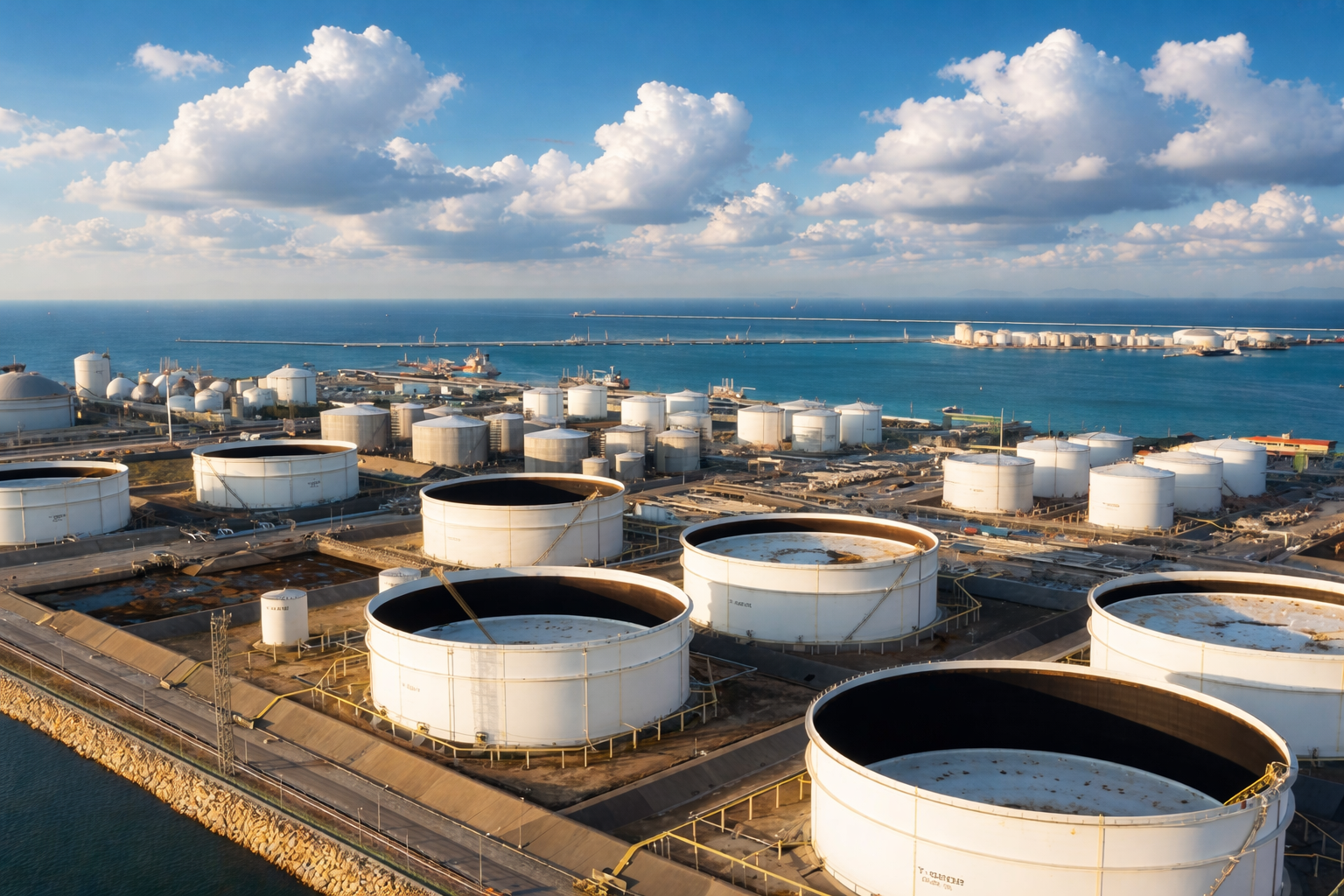
Oil Rally Reflects Rising Geopolitical Risk Premium
Crude oil markets surged sharply this week as geopolitical tensions intensified across the Middle East, pushing benchmark prices above $86 per barrel and triggering the strongest weekly rally since 2022. The move reflects a growing risk premium in global energy markets as investors react to the potential disruption of critical oil shipping routes. On March 6, 2026, crude prices climbed to approximately $87.81 per barrel, marking an 8.4% daily gain and extending a powerful rally that has lifted prices more than 36% over the past month and nearly 31% compared with the same period last year.
Energy traders have increasingly priced in the possibility of a prolonged supply shock, particularly as military tensions threaten production and transportation infrastructure across the Persian Gulf. For professional investors, the surge illustrates how geopolitical risk can rapidly reshape commodity markets, forcing portfolio managers to reassess exposure to energy assets, inflation-sensitive investments, and transportation-dependent sectors.
Strait of Hormuz Emerges as the Market’s Central Concern
At the center of market anxiety is the Strait of Hormuz, a narrow maritime corridor that handles roughly 20 million barrels of oil and petroleum products each day. The strategic waterway serves as a lifeline for Gulf exporters and remains one of the most critical chokepoints in global energy logistics. Concerns intensified after Qatar’s Energy Minister Saad al-Kaabi warned that producers could halt output within days if oil tankers become unable to safely transit the route.
Even the perception of risk in the region has been enough to send shipping costs higher and encourage traders to accumulate protective positions in oil futures markets. Meanwhile, Iran’s leadership has signaled little appetite for diplomatic negotiations, further fueling uncertainty. Energy markets historically react strongly to disruptions near the Strait of Hormuz, as alternatives for rerouting large volumes of crude remain limited. This dynamic reinforces the sensitivity of global oil pricing to geopolitical developments in the Gulf region.
Global Policy Responses and Market Implications
Governments and major energy producers are already exploring ways to mitigate the potential supply shock. The United States has signaled it may release crude from strategic petroleum reserves to ease pressure on markets if disruptions intensify. At the same time, policymakers temporarily allowed India to purchase certain Russian crude shipments already in transit, reflecting broader efforts to maintain stable energy flows.
Saudi Arabia has also taken steps to adjust export routes, redirecting shipments through Red Sea ports while raising prices for Asian buyers. These measures highlight the increasingly complex logistics required to maintain energy supply in an environment shaped by geopolitical risk and constrained shipping routes.
For investors, the recent oil rally underscores the complex interplay between geopolitical developments, supply chain resilience, and market psychology. Energy markets often move not only on confirmed disruptions but also on expectations, hedging behavior, and shifts in investor sentiment. If tensions persist or escalate further, analysts warn that crude prices could test significantly higher levels in the coming months, potentially reviving inflation pressures and influencing central bank policy across major economies.
Comparison, examination, and analysis between investment houses
Leave your details, and an expert from our team will get back to you as soon as possible
* This article, in whole or in part, does not contain any promise of investment returns, nor does it constitute professional advice to make investments in any particular field.
To read more about the full disclaimer, click here
- orshu
- •
- 6 Min Read
- •
- ago 2 hours
SKN | Oil Rally Revives $100 Crude Bet as Energy ETFs Surge
The prospect of $100 oil has returned to market discussions as crude prices rally amid geopolitical tensions and concerns over
- ago 2 hours
- •
- 6 Min Read
The prospect of $100 oil has returned to market discussions as crude prices rally amid geopolitical tensions and concerns over

- omer bar
- •
- 6 Min Read
- •
- ago 2 days
SKN | Surging Oil Prices Could Complicate the Federal Reserve’s Inflation Fight
Surging oil prices triggered by escalating conflict in the Middle East are creating a new challenge for policymakers at the
- ago 2 days
- •
- 6 Min Read

Surging oil prices triggered by escalating conflict in the Middle East are creating a new challenge for policymakers at the

- Ronny Mor
- •
- 9 Min Read
- •
- ago 2 months
SKN | Why Is Christmas Still a Diesel Stress Test for Global Energy Markets?
Every December, the global economy quietly runs a high-stakes stress test on one fuel above all others: diesel. The holiday
- ago 2 months
- •
- 9 Min Read

Every December, the global economy quietly runs a high-stakes stress test on one fuel above all others: diesel. The holiday

