


- sagi habasov
- •
- 7 Min Read
- •
- 3 months ago
Key Points
- Europe’s planned gas ban makes a return to Russian supply structurally unlikely.
- Nord Stream may be technically salvageable but politically untenable.
- Energy security and diversification now outweigh price considerations.
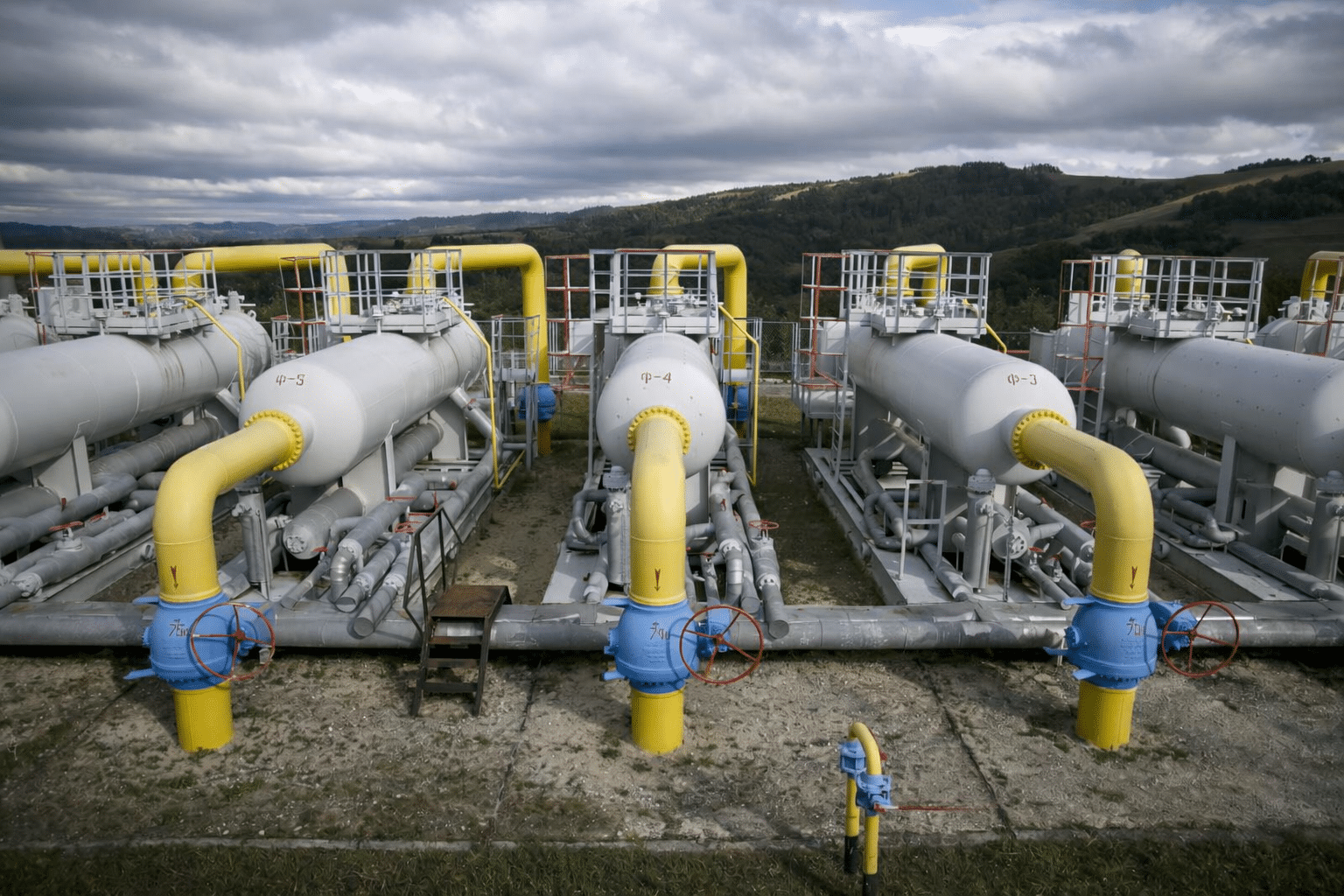
As tentative peace discussions between Russia and Ukraine continue under U.S. and international pressure, Europe faces a question that cuts to the heart of its economic and geopolitical future: would an end to the war change the continent’s hard break from Russian gas? While markets have begun to price in easing geopolitical risk, Europe’s energy policy trajectory suggests that even a ceasefire may not be enough to reverse one of the most significant structural shifts in its energy system in decades.
Europe’s Strategic Break With Russian Gas
Before the war, Russian pipeline gas supplied roughly 45% of Europe’s consumption, making Moscow the continent’s dominant energy partner. By 2025, that share has fallen to around 13%, replaced by liquefied natural gas imports, renewables, and demand destruction. This shift is no longer viewed as temporary. The European Union has provisionally agreed to legislation that would phase out all Russian gas imports, including LNG and pipeline flows, by the end of 2027.
This legal framework fundamentally alters the debate. Even if political relations thaw, European utilities and policymakers would face regulatory barriers, reputational risk, and investor scrutiny if they attempted to reintegrate Russian supply. The policy reflects not just moral opposition to the invasion of Ukraine, but a broader determination to avoid the “weaponisation” of energy that destabilized the region in 2021–2022.
The Nord Stream Question: Repairable but Divisive
The sabotage of the Nord Stream pipelines in late 2022 symbolized Europe’s energy rupture with Russia. While one line of Nord Stream 2 remains physically intact and others may be repairable at an estimated cost of around $1 billion, technical feasibility does not equate to political viability. The Danish Energy Agency has allowed limited preservation work, but no applications to restart operations have been submitted.
From a purely economic standpoint, Nord Stream could offer lower-cost gas to industrial powerhouses like Germany, where high energy prices continue to erode competitiveness. However, reopening the pipelines would provoke fierce opposition from Eastern European states, Ukraine, and likely the United States, which has expanded its role as a major LNG supplier to Europe.
Energy Security Over Energy Prices
The European gas market remains structurally tighter than before the war. Benchmark prices at the Dutch TTF hub were still roughly double pre-2022 levels in early 2025, and demand from data centers and artificial intelligence infrastructure is reshaping consumption patterns. Yet policy priorities have shifted decisively from price optimization to resilience and diversification.
While some European governments may privately acknowledge the economic appeal of limited Russian gas flows, public tolerance is thin. Any move perceived as rewarding Moscow could fracture EU unity and undermine long-term energy independence goals.
Russia’s Weakened Hand in Negotiations
Even if Europe were open to limited re-engagement, Russia’s negotiating position has deteriorated. Gas infrastructure aimed at Europe is increasingly stranded, while alternative export routes to Asia remain constrained. Although ties with China via the Power of Siberia pipeline have deepened, volumes and pricing terms fall short of replacing lost European demand.
This imbalance suggests Europe could, in theory, secure favorable terms. In practice, however, the strategic and political costs may outweigh any economic benefit.
What to Watch Going Forward
Gas prices have eased recently, partly reflecting expectations of geopolitical de-escalation and rising global LNG capacity, particularly from the U.S. That dynamic reduces Europe’s incentive to revisit Russian supply. Instead, attention will focus on enforcement of the EU ban, exceptions for countries like Hungary and Slovakia, and the pace at which renewable capacity and storage expand.
Comparison, examination, and analysis between investment houses
Leave your details, and an expert from our team will get back to you as soon as possible
* This article, in whole or in part, does not contain any promise of investment returns, nor does it constitute professional advice to make investments in any particular field.
To read more about the full disclaimer, click here
- omer bar
- •
- 7 Min Read
- •
- ago 14 hours
SKN | Oil Holds Above $100 as Iran War Escalates: Could Energy Prices Trigger a New Global Shock?
Oil prices remained above the critical $100-per-barrel level as geopolitical tensions in the Middle East intensified, with the conflict between
- ago 14 hours
- •
- 7 Min Read
Oil prices remained above the critical $100-per-barrel level as geopolitical tensions in the Middle East intensified, with the conflict between
- omer bar
- •
- 7 Min Read
- •
- ago 1 day
SKN | Can Saudi and UAE Pipelines Offset the Strait of Hormuz Oil Disruption?
The near shutdown of the Strait of Hormuz has forced global energy markets to focus on alternative oil transport routes
- ago 1 day
- •
- 7 Min Read

The near shutdown of the Strait of Hormuz has forced global energy markets to focus on alternative oil transport routes

- orshu
- •
- 7 Min Read
- •
- ago 2 days
SKN | Oil Surge Lifts United States Oil Fund (USO): ETF Jumps Over 8% as Energy Markets Rally
The United States Oil Fund, LP (NYSEArca: USO) posted a strong rally during the March 12 trading session, rising
- ago 2 days
- •
- 7 Min Read

The United States Oil Fund, LP (NYSEArca: USO) posted a strong rally during the March 12 trading session, rising
- omer bar
- •
- 6 Min Read
- •
- ago 2 days
SKN | Why Tesla’s New UK Electricity License Signals a Bigger Energy Strategy
Tesla is expanding beyond electric vehicles as its energy division gains regulatory approval to supply electricity across the United Kingdom.
- ago 2 days
- •
- 6 Min Read
Tesla is expanding beyond electric vehicles as its energy division gains regulatory approval to supply electricity across the United Kingdom.

