


- orshu
- •
- 6 Min Read
- •
- 2 months ago
Key Points
- Copper prices have reached record levels, signaling tightening supply conditions amid rising structural demand.
- Energy transition, electrification, and grid expansion are accelerating long-term consumption trends.
- Supply constraints and geopolitical risks are reshaping investment, trade, and industrial strategy.
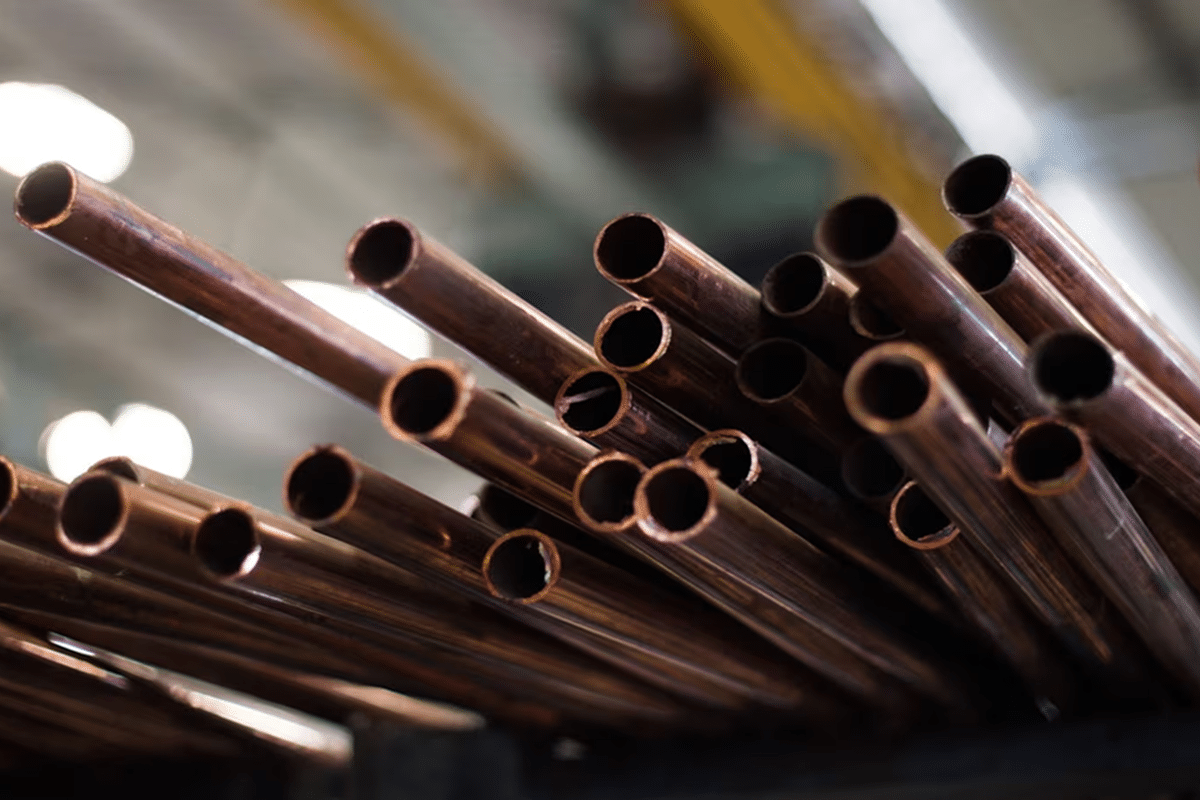
Copper prices have surged to record highs, underscoring growing stress in global supply chains as demand accelerates faster than new production can respond. The rally highlights copper’s central role in the global economy, particularly as electrification, infrastructure spending, and energy transition policies intensify worldwide.
Structural Demand Is Outpacing Supply Growth
Copper’s price strength reflects more than cyclical recovery. Demand from electric vehicles, renewable energy systems, data centers, and power grid upgrades continues to expand, reinforcing copper’s status as a critical industrial input. Electric vehicles, for example, require several times more copper than internal combustion engine vehicles, while renewable energy installations depend heavily on copper-intensive wiring and transmission infrastructure.
At the same time, supply growth remains constrained. New copper projects face long development timelines, regulatory hurdles, and rising capital costs. Declining ore grades at existing mines have further limited output growth, making it increasingly difficult for producers to respond quickly to higher prices. As a result, inventories have tightened, leaving the market more sensitive to disruptions.
Market Reaction Signals a Strategic Repricing
The move to record prices has triggered a broader reassessment across commodity markets and equity sectors. Mining stocks have generally benefited, reflecting expectations of stronger cash flows, while industrial users face rising input costs. For equity markets, higher copper prices are often interpreted as a signal of robust underlying demand, but they also raise concerns about margin pressure for manufacturers and construction-related industries.
Beyond equities, copper’s rally has implications for inflation dynamics. As a widely used input across multiple sectors, sustained price increases can filter through to consumer prices over time. Central banks are therefore monitoring commodity trends closely, as persistent cost pressures could complicate the path toward monetary easing.
Geopolitics and Resource Security Come Into Focus
The race for copper supplies is increasingly shaped by geopolitics. Major producing regions, including Latin America and parts of Africa, face political uncertainty, labor disputes, and environmental scrutiny. Any disruption in these regions can have an outsized impact on global supply, reinforcing price volatility.
For countries and institutions focused on energy security, copper has become a strategic asset rather than a purely cyclical commodity. Governments are exploring ways to secure access through trade agreements, strategic reserves, and domestic investment incentives. For Israel and other technology-driven economies, copper availability is closely tied to the pace of infrastructure modernization and innovation deployment.
Looking ahead, the copper market will be shaped by the interaction between long-term demand growth and the industry’s ability to bring new supply online. Key factors to watch include investment decisions by major miners, regulatory developments in producing countries, and the pace of global electrification projects. Risks include demand volatility tied to global growth slowdowns or policy shifts, while opportunities may arise if supply shortages persist longer than expected. As prices signal scarcity, copper is increasingly viewed not just as an industrial metal, but as a strategic indicator of the global economic transition.
Comparison, examination, and analysis between investment houses
Leave your details, and an expert from our team will get back to you as soon as possible
* This article, in whole or in part, does not contain any promise of investment returns, nor does it constitute professional advice to make investments in any particular field.
To read more about the full disclaimer, click here
- orshu
- •
- 7 Min Read
- •
- ago 9 hours
SKN | U.S. Stocks Extend Weekly Losses as $100 Oil Rekindles Global Inflation Concerns
U.S. equity markets closed the week under pressure as the Dow Jones Industrial Average, S&P 500, and Nasdaq Composite
- ago 9 hours
- •
- 7 Min Read

U.S. equity markets closed the week under pressure as the Dow Jones Industrial Average, S&P 500, and Nasdaq Composite

- Lior mor
- •
- 6 Min Read
- •
- ago 12 hours
SKN | Gold Retreats as Dollar Strengthens: Are Precious Metals Losing Their Safe-Haven Appeal?
Gold prices pulled back from recent highs as the U.S. dollar strengthened and Treasury yields moved higher, challenging the traditional
- ago 12 hours
- •
- 6 Min Read

Gold prices pulled back from recent highs as the U.S. dollar strengthened and Treasury yields moved higher, challenging the traditional

- sagi habasov
- •
- 6 Min Read
- •
- ago 20 hours
SKN | Why Vietnam Has Become the Largest Trade Surplus Holder With the United States
Vietnam has emerged as the country with the largest trade surplus with the United States, surpassing both Mexico and China
- ago 20 hours
- •
- 6 Min Read

Vietnam has emerged as the country with the largest trade surplus with the United States, surpassing both Mexico and China
- Lior mor
- •
- 6 Min Read
- •
- ago 23 hours
SKN | Why Are European Natural Gas Prices Surging as Middle East LNG Supplies Disrupt Global Markets?
European natural gas prices are climbing sharply as escalating conflict in the Middle East threatens critical liquefied natural gas (LNG)
- ago 23 hours
- •
- 6 Min Read

European natural gas prices are climbing sharply as escalating conflict in the Middle East threatens critical liquefied natural gas (LNG)

