


- Lior mor
- •
- 6 Min Read
- •
- 1 hour ago
Key Points
- Cisco’s near-term outlook has come under pressure as rising memory prices lift hardware input costs.
- Margin sensitivity has re-emerged, highlighting the hardware exposure within Cisco’s business mix.
- Longer-term demand drivers remain intact, but cost pass-through and execution will be closely watched.
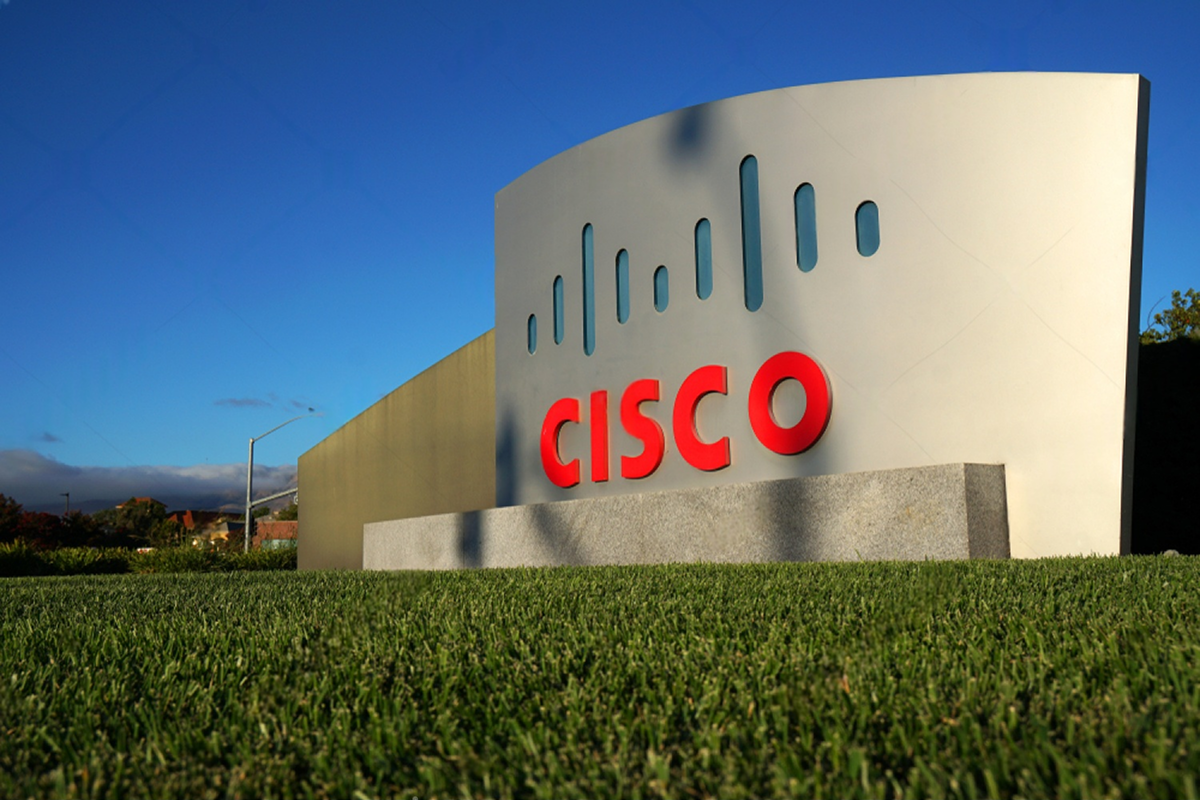
Cisco Systems is facing renewed margin pressure after a sharp increase in memory prices complicated its near-term outlook. The development comes at a time when enterprise technology spending is stabilizing, but investors are increasingly sensitive to cost dynamics and profitability discipline across large-cap hardware and infrastructure providers.
Memory Costs Resurface as a Material Headwind
The recent spike in memory prices, driven by tightening supply and renewed demand from data center and AI-related workloads, has emerged as a tangible headwind for Cisco. Memory components are a critical input for networking equipment, servers, and advanced infrastructure solutions, making cost inflation difficult to fully offset in the short term.
For Cisco, this dynamic places pressure on gross margins, particularly in hardware-heavy segments where pricing flexibility is more limited. While the company has historically demonstrated strong supply chain management, abrupt cost increases tend to flow through earnings with a lag. As a result, guidance sensitivity has increased, even as top-line demand remains relatively stable.
Market Reaction Reflects Margin Over Revenue Concerns
Equity markets have responded cautiously to the evolving cost backdrop. Investors appear less concerned about Cisco’s ability to generate revenue and more focused on how effectively management can protect profitability. In an environment where large technology firms are valued on cash flow durability, margin compression carries disproportionate weight.
This reaction also reflects a broader trend across capital markets. Hardware-oriented technology names are being evaluated differently than software peers, particularly as input costs fluctuate. Cisco’s diversified business model, which includes higher-margin software and recurring revenue streams, provides some insulation, but hardware remains a meaningful contributor to earnings.
Strategic Positioning and Longer-Term Implications
Strategically, Cisco continues to emphasize its transition toward software, subscriptions, and security solutions. These segments offer more predictable margins and pricing power, helping to balance volatility in component costs. However, large enterprise and service provider customers still rely heavily on Cisco’s physical infrastructure, ensuring that hardware economics remain relevant.
From a macro perspective, rising memory prices are a byproduct of accelerating investment in AI, cloud infrastructure, and high-performance computing. While this creates near-term cost pressure, it also signals healthy end-market demand. For global investors, including those in Israel with exposure to U.S. technology leaders, Cisco’s situation illustrates the trade-off between cyclical cost pressures and structural growth drivers.
The key question is whether Cisco can successfully pass through higher costs without dampening demand. In past cycles, the company has relied on scale, long-term contracts, and value-added services to mitigate margin risk. Execution in this phase will determine whether memory inflation proves to be a temporary earnings headwind or a more persistent constraint.
Looking ahead, investors will closely monitor gross margin trends, pricing actions, and commentary on component sourcing in upcoming quarters. Risks include prolonged memory price inflation and competitive pressure limiting pricing flexibility. Opportunities lie in continued growth in software, security, and AI-enabled networking, which could offset hardware-related pressure. Cisco’s outlook may be pinched in the near term, but its strategic positioning suggests resilience if cost dynamics normalize and demand momentum holds.
Comparison, examination, and analysis between investment houses
Leave your details, and an expert from our team will get back to you as soon as possible
* This article, in whole or in part, does not contain any promise of investment returns, nor does it constitute professional advice to make investments in any particular field.
To read more about the full disclaimer, click here
- Ronny Mor
- •
- 6 Min Read
- •
- ago 2 hours
SKN | Ford Signals “Significant Tailwinds” Ahead as Strategy Aligns With Cyclical and Structural Shifts
Ford Motor Company is positioning itself for what management describes as “significant tailwinds” over the coming years, as the
- ago 2 hours
- •
- 6 Min Read

Ford Motor Company is positioning itself for what management describes as “significant tailwinds” over the coming years, as the

- orshu
- •
- 6 Min Read
- •
- ago 4 hours
SKN | Fastly Soars Nearly 90% After Earnings Shock: Short Squeeze or Structural Turnaround?
Fastly Inc. delivered one of the most dramatic single-session moves in the U.S. technology sector on February 12, with
- ago 4 hours
- •
- 6 Min Read

Fastly Inc. delivered one of the most dramatic single-session moves in the U.S. technology sector on February 12, with

- omer bar
- •
- 7 Min Read
- •
- ago 11 hours
SKN | Can Samsung’s HBM4 Shipments Close the AI Gap With Nvidia’s Key Suppliers?
Samsung Electronics has officially begun shipping its latest high-bandwidth memory chips, HBM4, marking a critical step in its effort to
- ago 11 hours
- •
- 7 Min Read
Samsung Electronics has officially begun shipping its latest high-bandwidth memory chips, HBM4, marking a critical step in its effort to

- sagi habasov
- •
- 7 Min Read
- •
- ago 12 hours
SKN | Can Lenovo Navigate PC Shipment Pressure as Memory Shortages Intensify?
Lenovo Group, the world’s largest personal computer manufacturer, has cautioned that a worsening global memory-chip shortage is beginning to weigh
- ago 12 hours
- •
- 7 Min Read
Lenovo Group, the world’s largest personal computer manufacturer, has cautioned that a worsening global memory-chip shortage is beginning to weigh

