


- sagi habasov
- •
- 6 Min Read
- •
- 13 minutes ago
Key Points
- Chinese authorities have reportedly deployed state-backed funds, often referred to as the “national team”, to stabilize overheated AI-related equities.
- The intervention reflects concerns over excessive speculation and systemic market risks.
- Investors are reassessing the balance between AI-driven growth potential and regulatory oversight in China’s capital markets.
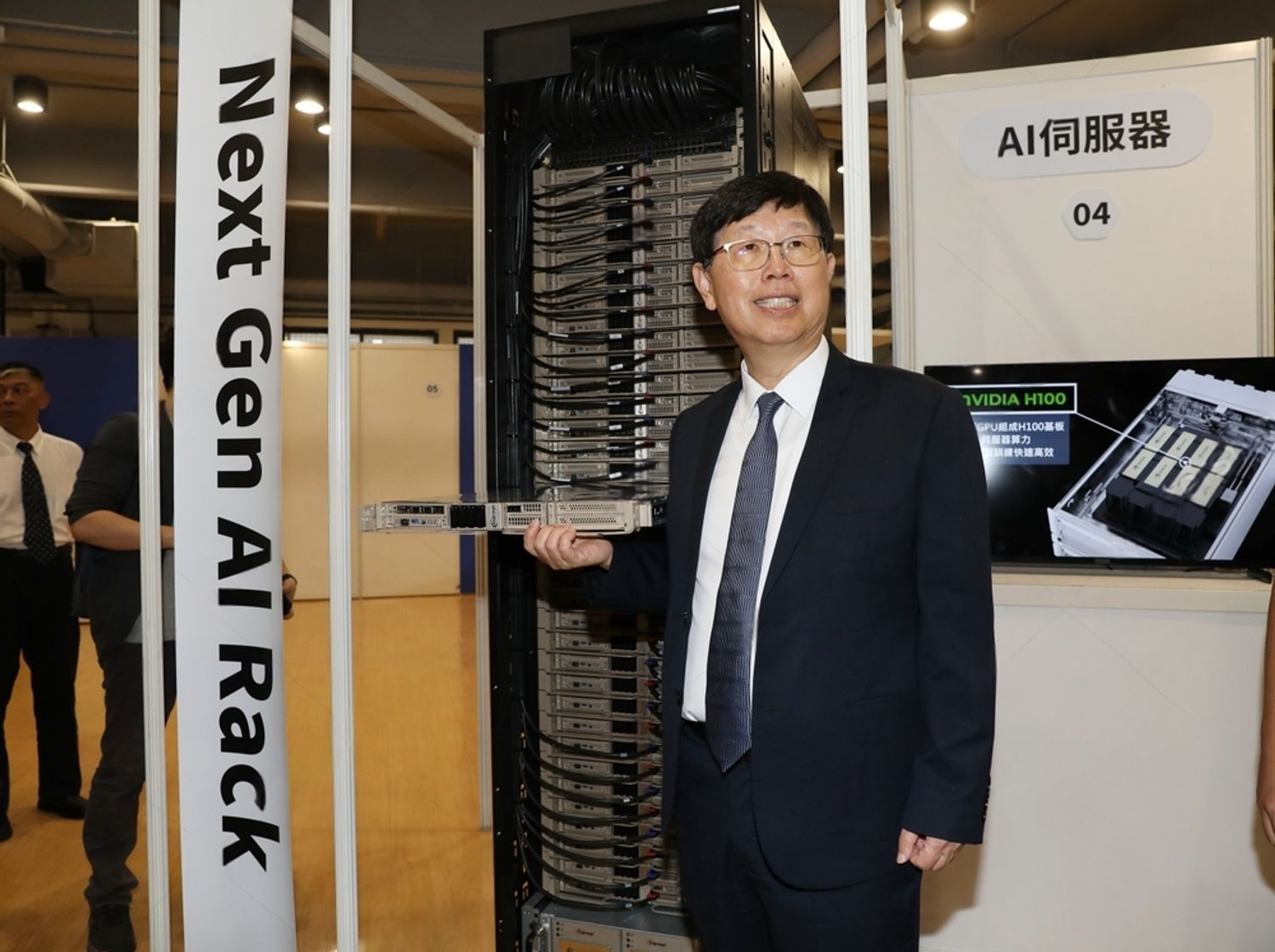
Chinese regulators have moved to temper the rapid surge in artificial intelligence-related stocks by mobilizing a group of state-backed institutional investors commonly known as the national team. The step comes amid sharp gains in AI-linked companies across mainland exchanges, raising concerns about speculative excess and broader financial stability.
State-Backed Funds Step In as AI Rally Accelerates
China’s so-called national team typically includes sovereign funds and large state-controlled financial institutions that intervene during periods of market stress or exuberance. Their reported involvement in AI-related counters signals that authorities are seeking to moderate volatility rather than allow unchecked momentum to build.
AI stocks in China have attracted strong inflows amid global enthusiasm surrounding generative AI, semiconductor development, and domestic technology self-sufficiency. However, rapid price appreciation in a concentrated group of companies has raised red flags among policymakers wary of asset bubbles. By adjusting liquidity conditions and potentially rebalancing holdings, the national team can influence price stability without resorting to overt trading restrictions.
Balancing Innovation and Financial Stability
Beijing faces a delicate balancing act. On one hand, AI is central to China’s long-term industrial strategy, with heavy investment in chip design, data centers, and software ecosystems. On the other hand, excessive short-term speculation could undermine confidence if valuations detach from fundamentals.
Recent years have demonstrated the government’s willingness to intervene in equity markets when volatility threatens broader economic stability. The latest move appears preventive rather than reactive, aimed at smoothing price action rather than reversing a collapse. For global investors, including those in Israel tracking Asian technology markets, the episode underscores how policy risk remains an integral factor when assessing Chinese equities.
Global Market Resonance and Capital Flows
China’s intervention comes at a time when AI-driven rallies are reshaping global equity indices. In the United States, mega-cap technology firms have propelled major benchmarks higher, while in Europe and Asia, chipmakers and software developers have experienced significant inflows. China’s approach contrasts with more market-driven dynamics elsewhere, highlighting structural differences in capital market governance.
The presence of state-backed stabilizers can dampen extreme volatility, but it may also introduce uncertainty about price discovery. International investors often weigh the benefits of reduced downside risk against concerns over transparency and state influence in corporate governance.
Looking ahead, investors will monitor whether the national team’s involvement results in sustained moderation of AI stock gains or merely a pause in upward momentum. Key indicators include turnover levels, regulatory guidance on margin financing, and official commentary on speculative trading. While China remains committed to advancing AI capabilities, maintaining financial stability will likely shape how aggressively authorities allow equity valuations to expand in the sector.
Comparison, examination, and analysis between investment houses
Leave your details, and an expert from our team will get back to you as soon as possible
* This article, in whole or in part, does not contain any promise of investment returns, nor does it constitute professional advice to make investments in any particular field.
To read more about the full disclaimer, click here
- orshu
- •
- 5 Min Read
- •
- ago 42 seconds
SKN | TA-SME60 Consolidates Gains: Is the Small-Cap Rally Taking a Breather?
The TA-SME60 index ended the recent trading session at 1,337.91, representing a modest decline of 0.36% and continuing a
- ago 42 seconds
- •
- 5 Min Read
The TA-SME60 index ended the recent trading session at 1,337.91, representing a modest decline of 0.36% and continuing a

- Ronny Mor
- •
- 6 Min Read
- •
- ago 32 minutes
SKN | Hang Seng Stumbles into Lunar New Year: Tech Weakness and Property Woes Weigh on Sentiment
Hong Kong equities ended the trading week on a sour note, with the benchmark Hang Seng Index (HSI) plunging nearly
- ago 32 minutes
- •
- 6 Min Read

Hong Kong equities ended the trading week on a sour note, with the benchmark Hang Seng Index (HSI) plunging nearly

- omer bar
- •
- 6 Min Read
- •
- ago 1 hour
SKN | Nikkei 225 Retreats from Historic 58,000 Milestone Amid AI Jitters
The Nikkei 225 ended a historic week on a volatile note, shedding 1.21% on Friday to close at 56,941.97.
- ago 1 hour
- •
- 6 Min Read
The Nikkei 225 ended a historic week on a volatile note, shedding 1.21% on Friday to close at 56,941.97.

- Lior mor
- •
- 6 Min Read
- •
- ago 2 hours
SKN | KOSPI Consolidates Above 5,500: Is the South Korean Bull Run Sustainable?
The South Korean equity market concluded a dynamic week of trading, characterized by mid-week volatility and a resilient recovery that
- ago 2 hours
- •
- 6 Min Read

The South Korean equity market concluded a dynamic week of trading, characterized by mid-week volatility and a resilient recovery that

