




- Lior mor
- •
- 6 Min Read
- •
- 3 hours ago


Key Points
- Chevron’s performance remains closely linked to oil and natural-gas prices, production levels and broader energy-sector trends.
- Major investments, capital spending and the integration of acquired assets could influence Chevron’s earnings and free cash flow over the longer term.
- Investors are watching production growth, shareholder returns, operating costs and commodity prices to assess whether CVX can improve its relative performance.
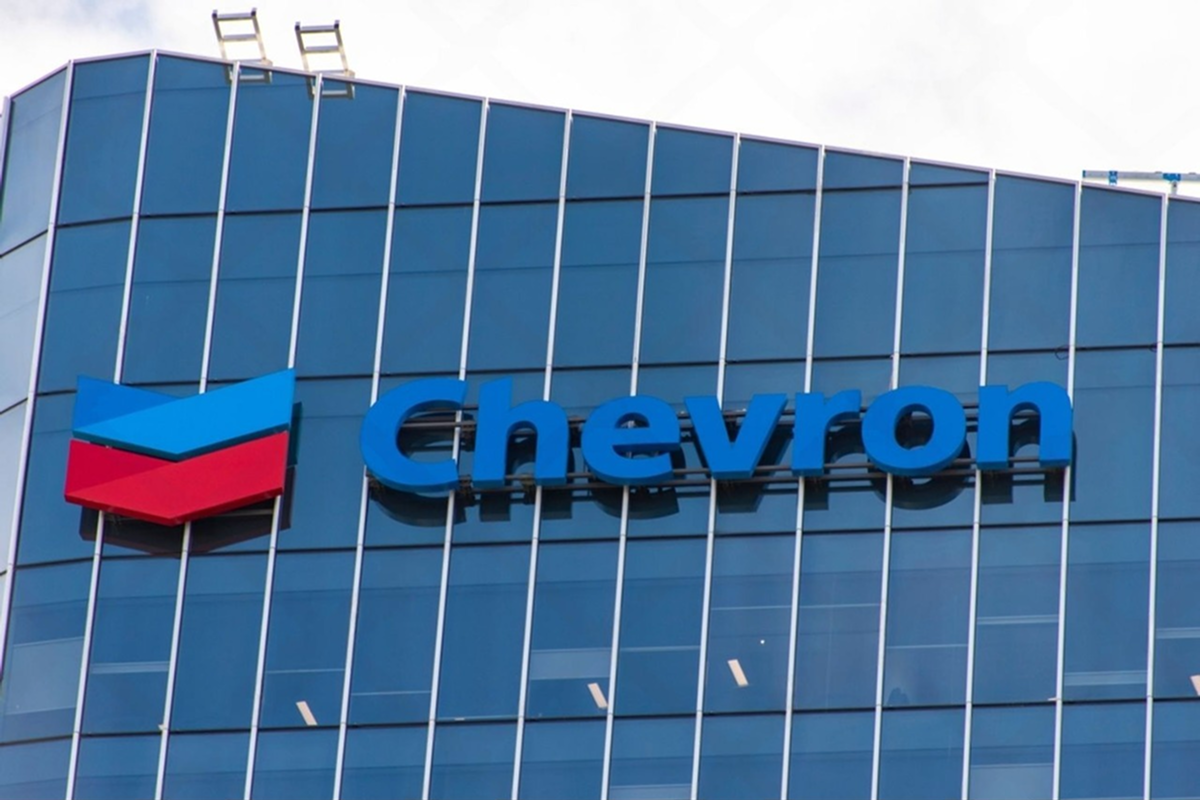
Chevron stock remains under close scrutiny as investors assess whether the energy giant is keeping pace with the broader oil and gas sector. With crude prices, global demand expectations and geopolitical risks continuing to influence energy markets, CVX’s relative performance depends on both commodity conditions and the company’s ability to execute its long-term strategy.
Oil Prices Remain a Major Driver of Chevron Stock
Chevron’s financial results remain highly sensitive to changes in crude oil and natural-gas prices. As an integrated energy company, Chevron benefits from a diversified portfolio that includes upstream production, refining, chemicals and other energy operations, but commodity prices continue to have a significant impact on earnings and cash generation.
When oil prices weaken, upstream profitability generally comes under pressure, while stronger crude prices can improve operating cash flow and support shareholder returns. This creates an important distinction when evaluating CVX against other energy companies, as differences in production exposure, refining operations and geographic diversification can produce varying results even when companies operate in the same sector.
Chevron has continued investing in major projects intended to expand production and strengthen its long-term asset base. These investments can create future growth opportunities, but they also require significant capital and disciplined execution.
Capital Allocation Could Shape CVX’s Relative Performance
Chevron’s ability to balance investment with shareholder returns remains an important part of the stock’s investment story. The company has maintained a focus on dividends and share repurchases, making free cash flow and balance-sheet strength important indicators for investors.
At the same time, Chevron has committed substantial capital to expanding its production portfolio. Its acquisition of Hess, which increased Chevron’s exposure to the potentially high-growth Guyana oil region, represents a significant strategic move. Integrating major assets effectively while maintaining financial discipline could influence the company’s ability to generate returns through different stages of the commodity cycle.
The challenge is particularly relevant when oil prices are volatile. Higher capital spending can support future production but may temporarily reduce available cash, while aggressive cost controls can improve near-term financial performance but potentially limit longer-term growth.
Energy-Sector Conditions Remain Critical for Chevron Stock
Whether CVX is underperforming the energy sector ultimately depends on the benchmark and timeframe being considered. Integrated producers can perform differently from exploration and production companies because refining margins, natural-gas prices and geographic exposure affect their earnings in different ways.
Broader market forces will also remain important. OPEC+ production decisions, U.S. shale activity, geopolitical developments and global economic growth can all influence crude prices and investor sentiment toward energy stocks. Longer-term changes in energy demand and the transition toward lower-carbon technologies add another layer of uncertainty to capital-allocation decisions across the industry.
Going forward, investors will monitor Chevron’s production growth, realized commodity prices, operating costs, capital expenditures, free cash flow and shareholder distributions. The key question for CVX stock is whether stronger operational execution and disciplined capital allocation can improve its relative performance, particularly if energy-market conditions remain supportive but increasingly volatile.
Comparison, examination, and analysis between investment houses
Leave your details, and an expert from our team will get back to you as soon as possible
* This article, in whole or in part, does not contain any promise of investment returns, nor does it constitute professional advice to make investments in any particular field.
To read more about the full disclaimer, click here
- Lior mor
- •
- 7 Min Read
- •
- ago 2 hours
SKN | BYD Highlights Why Chinese Carmakers Are Looking Overseas to Escape the Domestic Slump
BYD’s latest financial results highlight a major shift taking place across China’s automotive industry: growth is increasingly being found outside
- ago 2 hours
- •
- 7 Min Read

BYD’s latest financial results highlight a major shift taking place across China’s automotive industry: growth is increasingly being found outside

- sagi habasov
- •
- 6 Min Read
- •
- ago 3 hours
SKN | Is Merck Stock Outperforming the Nasdaq? What Is Driving MRK’s Relative Performance?
Merck stock remains under scrutiny as investors compare the pharmaceutical company’s performance with the technology-heavy Nasdaq. The comparison is increasingly
- ago 3 hours
- •
- 6 Min Read

Merck stock remains under scrutiny as investors compare the pharmaceutical company’s performance with the technology-heavy Nasdaq. The comparison is increasingly

- Arik Arkadi Sluzki
- •
- 7 Min Read
- •
- ago 12 hours
SKN | China Eastern Airlines Reports Wider Loss Despite Revenue Recovery in First Half of 2026
China Eastern Airlines reported a larger net loss for the first half of 2026 despite stronger revenue growth, reflecting
- ago 12 hours
- •
- 7 Min Read
China Eastern Airlines reported a larger net loss for the first half of 2026 despite stronger revenue growth, reflecting
- Arik Arkadi Sluzki
- •
- 7 Min Read
- •
- ago 12 hours
SKN | Air China’s Losses Deepen as Airline Sector Faces Continued Recovery Challenges
China’s flag carrier Air China reported a wider loss for the first half of 2026, underscoring the continued challenges
- ago 12 hours
- •
- 7 Min Read
China’s flag carrier Air China reported a wider loss for the first half of 2026, underscoring the continued challenges
