


- Lior mor
- •
- 6 Min Read
- •
- 2 months ago
Key Points
- The KOSPI Composite Index surged 6.42% this week, closing at a record high of 4,586.32 on January 9, 2026.
- Market gains were primarily driven by a powerful rally in the semiconductor sector, with Samsung Electronics and SK Hynix reaching unprecedented price levels.
- Investor sentiment remains optimistic due to robust export data and anticipation of AI-related growth, despite a strengthening US dollar against the Korean won.
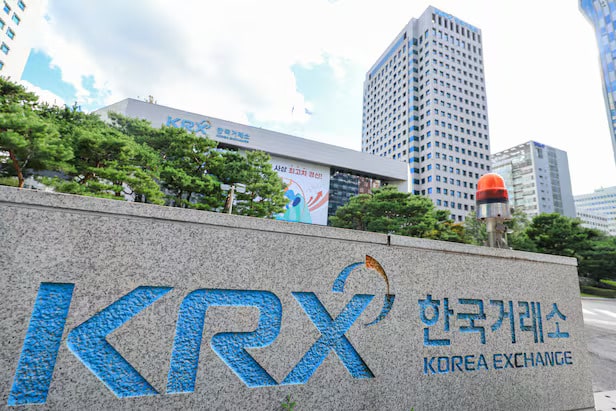
The South Korean equity market has entered 2026 with historic velocity, as the benchmark KOSPI Composite Index extended its winning streak to six consecutive sessions. This rally, framed by a broader global appetite for high-growth technology and artificial intelligence, saw the index breach the psychological 4,500-point barrier for the first time. The week’s performance underscores a resilient domestic economy that is increasingly becoming a primary beneficiary of the global high-bandwidth memory (HBM) crunch.
Semiconductor Surge Fuels All-Time Highs
The defining feature of this week’s trading was the relentless performance of South Korea’s tech heavyweights. Samsung Electronics and SK Hynix acted as the index’s twin engines, climbing significantly as global investors priced in a prolonged upcycle in the memory chip market. By midweek, “people’s stock” Samsung hit approximately 140,000 won, sparking a wave of “fear of missing out” (FOMO) among retail participants. This surge is not merely speculative; it is backed by an unprecedented earnings-driven rally, with market consensus projecting combined operating profits for the two chip giants to approach 300 trillion won this year.
Macro Indicators and Export Resilience
Beyond the technology sector, broader economic indicators have provided a stable floor for the rally. South Korea’s exports surpassed $700 billion for the first time at the close of 2025, a momentum that carried directly into the first week of January. While the Korean won showed signs of weakening—trading near the 1,453 won level against the US dollar—the market viewed this through a nuanced lens. While a weaker won typically pressures foreign investor sentiment, it currently bolsters the competitiveness of South Korea’s export-oriented conglomerates, particularly in the automotive and shipbuilding sectors, which saw additional gains this week.
Institutional vs. Retail Dynamics
A notable shift in market participation was observed as the index neared the 4,600 intraday mark. While foreign investors were net buyers early in the week, institutional players began engaging in strategic profit-taking toward Friday’s close. This caused a slight “breather” in the final hours of trading, as the market digested the rapid 8.83% year-to-date gain. However, the depth of retail interest and the government’s ongoing “Value-Up” program—designed to improve corporate governance and attract domestic capital away from US markets—have kept liquidity levels high and volatility relatively contained compared to previous years.
The outlook for the KOSPI remains tentatively bullish, though investors should monitor several key triggers in the coming weeks. The primary risk factor is a potential short-term correction as the market digests the sharp gains of early January. Furthermore, participants are closely watching the U.S. Supreme Court for rulings on reciprocal tariffs, which could introduce volatility into global trade dynamics. While the momentum for AI-centered investments is expected to persist through the first half of the year, any signs of a “memory crunch” easing could lead to a rotation into value stocks or small-cap indices like the KOSDAQ. For now, the path toward the 5,000-point milestone depends on whether quarterly earnings reports, starting with the semiconductor leaders, can validate the current premium valuations.
Comparison, examination, and analysis between investment houses
Leave your details, and an expert from our team will get back to you as soon as possible
* This article, in whole or in part, does not contain any promise of investment returns, nor does it constitute professional advice to make investments in any particular field.
To read more about the full disclaimer, click here
- orshu
- •
- 7 Min Read
- •
- ago 5 hours
SKN | Israel Market Close – March 12, 2026: Tel Aviv Stocks Slide Sharply as Broad Selloff Hits Mid-Caps and Value Shares
Israeli markets closed significantly lower on March 12, 2026, as widespread selling pressure pushed most major indices into negative territory.
- ago 5 hours
- •
- 7 Min Read
Israeli markets closed significantly lower on March 12, 2026, as widespread selling pressure pushed most major indices into negative territory.
- orshu
- •
- 7 Min Read
- •
- ago 13 hours
SKN | Tel Aviv Stock Market Slips as Broad Declines Weigh on Israeli Equities
The Tel Aviv Stock Exchange opened the session with broad-based declines across most major indices, signaling cautious sentiment among investors
- ago 13 hours
- •
- 7 Min Read

The Tel Aviv Stock Exchange opened the session with broad-based declines across most major indices, signaling cautious sentiment among investors
- orshu
- •
- 8 Min Read
- •
- ago 18 hours
SKN | Global Markets Wrap: March 12, 2026 Performance Highlights and What to Watch on March 13 – Tel Aviv Stocks Slide Amid Global Volatility
Global financial markets experienced a broadly negative session on March 12, 2026, with equities under pressure across the Americas, Europe,
- ago 18 hours
- •
- 8 Min Read

Global financial markets experienced a broadly negative session on March 12, 2026, with equities under pressure across the Americas, Europe,

- Lior mor
- •
- 8 Min Read
- •
- ago 20 hours
SKN | Asian Markets Slide in Friday Morning Trade as Regional Indices Face Broad Selling Pressure
Asian equity markets are trading mostly lower on Friday morning, March 13, as investors across the region adopt a cautious
- ago 20 hours
- •
- 8 Min Read

Asian equity markets are trading mostly lower on Friday morning, March 13, as investors across the region adopt a cautious

