


- sagi habasov
- •
- 7 Min Read
- •
- 17 seconds ago
Key Points
- The Roundhill Memory ETF (DRAM) provides focused exposure to global memory semiconductor producers tied to AI demand
- Strong growth in high-bandwidth memory (HBM) is reshaping profitability dynamics across the chip sector
- Investors are increasingly using thematic ETFs to capture specific segments of the semiconductor value chain
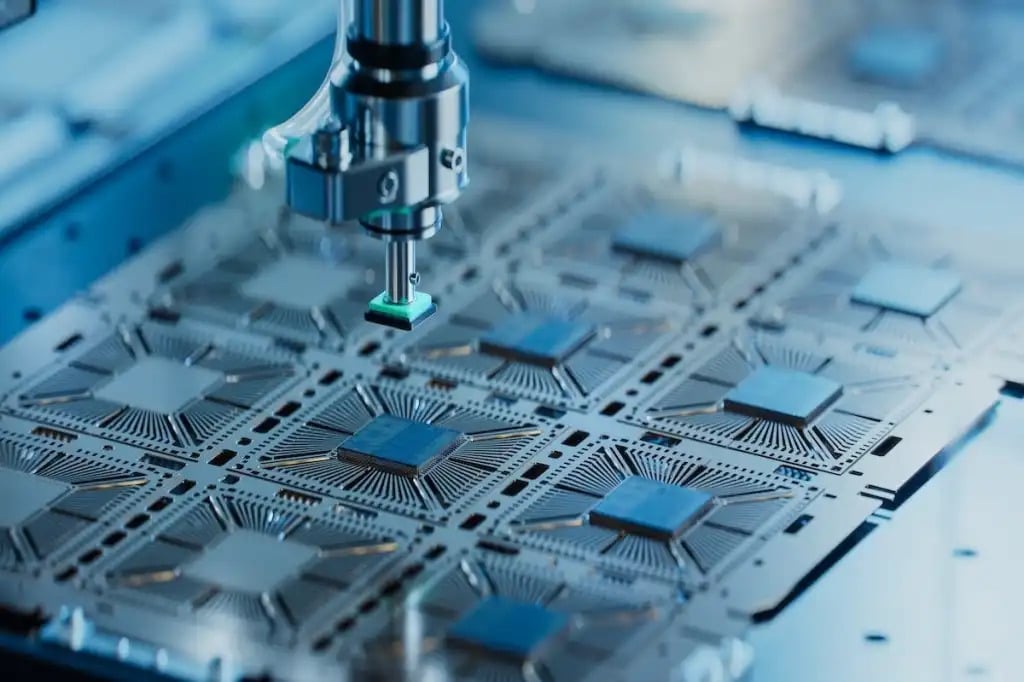
Global semiconductor markets are undergoing a structural shift as artificial intelligence drives demand for advanced memory solutions, prompting renewed investor focus on targeted exposure within the chip ecosystem. The Roundhill Memory ETF (DRAM) has emerged as a niche vehicle designed to capture this trend, concentrating on companies positioned to benefit from rising demand for DRAM and related technologies.
For global investors, including those in Israel with exposure to technology and semiconductor equities, the ETF reflects a broader move toward precision allocation strategies that isolate high-growth subsectors within complex supply chains.
Targeted Exposure to the Memory Segment
The Roundhill Memory ETF is structured to track companies primarily engaged in the production and development of memory semiconductors, including DRAM and NAND flash. This focus differentiates it from broader semiconductor ETFs, which often include diversified chipmakers across logic, analog, and foundry segments.
Memory chips play a critical role in modern computing systems, particularly in AI workloads that require high data throughput and low latency. The rise of high-bandwidth memory has significantly increased the importance of memory manufacturers within the semiconductor value chain, elevating their contribution to overall system performance.
By concentrating exposure in this segment, the ETF allows investors to isolate a key beneficiary of AI infrastructure expansion. However, such concentration also introduces higher sensitivity to sector-specific cycles, including pricing fluctuations and inventory adjustments.
AI Demand and Shifting Profitability Dynamics
The surge in AI-related investment has materially altered profitability trends within the memory industry. Companies producing advanced DRAM, particularly HBM, have experienced improved pricing power due to supply constraints and strong demand from AI accelerator manufacturers.
This shift marks a departure from traditional memory cycles, which have historically been characterized by oversupply and volatile pricing. While cyclicality remains a defining feature of the sector, the integration of AI workloads has introduced a more structural demand component that may support longer-term earnings visibility.
Market participants are closely monitoring whether this demand can sustain elevated margins or if increased capacity expansion will eventually normalize pricing. For ETFs like DRAM, performance is closely tied to these dynamics, as constituent companies are directly exposed to memory pricing trends.
Strategic Role in Portfolio Construction
Thematic ETFs such as the Roundhill Memory ETF are increasingly being used as tactical allocation tools within diversified portfolios. Rather than broad exposure to the semiconductor sector, investors can target specific drivers of growth, such as AI-related memory demand.
For institutional investors, this approach allows for more granular positioning in response to macro and technological trends. However, it also requires careful consideration of concentration risk, as sector-specific ETFs may exhibit higher volatility compared to diversified benchmarks.
In the context of Israeli investors, where technology exposure is often linked to global semiconductor and software ecosystems, such instruments can complement existing holdings by adding targeted exposure to hardware-driven AI trends.
Looking ahead, the trajectory of the Roundhill Memory ETF will depend on several key variables, including the pace of AI infrastructure investment, memory pricing cycles, and capacity expansion among leading manufacturers. Risks include potential oversupply, shifts in AI spending, and broader macroeconomic pressures affecting semiconductor demand. At the same time, sustained growth in AI applications could reinforce the strategic importance of memory chips, supporting continued investor interest in specialized semiconductor exposure.
Comparison, examination, and analysis between investment houses
Leave your details, and an expert from our team will get back to you as soon as possible
* This article, in whole or in part, does not contain any promise of investment returns, nor does it constitute professional advice to make investments in any particular field.
To read more about the full disclaimer, click here
- orshu
- •
- 5 Min Read
- •
- ago 12 hours
SKN | Bitcoin ETF Gains Momentum: IBIT Climbs as Crypto Sentiment Strengthens
The iShares Bitcoin Trust ETF (IBIT) advanced on April 22, rising by over five percent as Bitcoin-related assets regained momentum.
- ago 12 hours
- •
- 5 Min Read

The iShares Bitcoin Trust ETF (IBIT) advanced on April 22, rising by over five percent as Bitcoin-related assets regained momentum.

- sagi habasov
- •
- 7 Min Read
- •
- ago 15 hours
SKN | SCHD vs VIG Which Dividend ETF Offers Better Income and Long Term Growth Potential
Income focused investors often face a key decision when selecting dividend exchange traded funds: prioritize yield today or growth over
- ago 15 hours
- •
- 7 Min Read

Income focused investors often face a key decision when selecting dividend exchange traded funds: prioritize yield today or growth over

- Ronny Mor
- •
- 5 Min Read
- •
- ago 23 hours
SKN | Is Gold Regaining Its Role as a Core Portfolio Hedge in an Uncertain Macro Environment?
Global financial markets continue to navigate an environment defined by shifting interest rate expectations, persistent geopolitical uncertainty, and uneven growth
- ago 23 hours
- •
- 5 Min Read
Global financial markets continue to navigate an environment defined by shifting interest rate expectations, persistent geopolitical uncertainty, and uneven growth
- orshu
- •
- 6 Min Read
- •
- ago 1 day
SKN | US Oil Fund Jumps as Crude Momentum Builds: What Is Driving USO’s Strong Session?
The United States Oil Fund (USO) delivered a strong performance on April 21, rising by more than five percent
- ago 1 day
- •
- 6 Min Read

The United States Oil Fund (USO) delivered a strong performance on April 21, rising by more than five percent

