





- Ronny Mor
- •
- 7 Min Read
- •
- 12 hours ago
Key Points
- SpaceX has received widespread Wall Street support following its IPO, with Raymond James issuing an industry-leading $800 price target.
- Future valuation depends heavily on Starship's successful commercialization and continued expansion of the Starlink satellite network.
- Investors will closely monitor profitability, government contract exposure, and execution risks as SpaceX works to justify its premium market valuation.
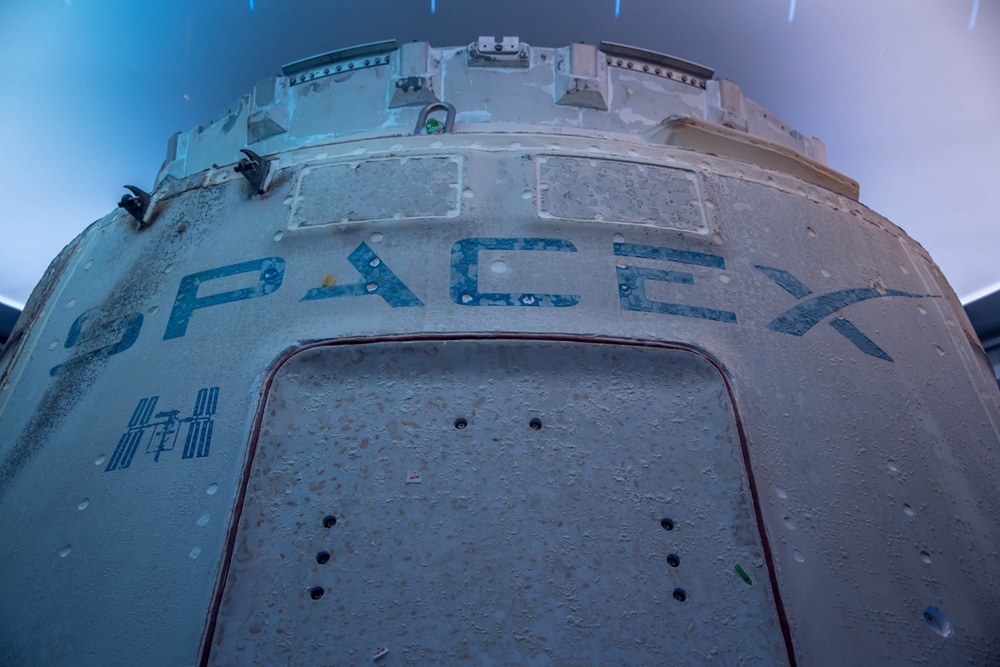
Space Exploration Technologies has quickly become one of the most closely watched public companies after completing the largest initial public offering in market history. Since its Nasdaq debut, Wall Street has broadly embraced the aerospace and technology leader, with at least 29 research firms initiating coverage. Among those forecasts, Raymond James has delivered one of the market’s most ambitious projections, assigning an $800 price target that implies roughly 482% upside from current trading levels. While the forecast reflects confidence in SpaceX’s long-term innovation strategy, it also highlights the growing divide between extraordinary future expectations and today’s financial fundamentals.
Wall Street Sees Transformational Growth Beyond Traditional Aerospace
Analysts remain optimistic because SpaceX operates across several industries that could experience substantial long-term expansion. Its Falcon rocket program has already transformed commercial launch economics through partial reusability, lowering launch costs and strengthening the company’s competitive position.
Beyond launch services, Starlink has become the world’s largest low-Earth orbit satellite internet network, providing global broadband connectivity while generating the company’s primary source of operating profit. Investors also see future opportunities in artificial intelligence infrastructure, commercial space operations, satellite expansion, and potentially even space tourism as launch costs continue to decline.
Raymond James’ aggressive valuation reflects the belief that SpaceX’s vertically integrated business model could create competitive advantages across multiple high-growth markets simultaneously.
Starship Remains the Key Driver Behind Future Valuation
Much of the long-term investment case depends on the successful commercialization of Starship, SpaceX’s next-generation fully reusable launch system. Unlike Falcon 9, Starship is designed to transport significantly larger payloads while dramatically lowering launch costs.
Management envisions Starship enabling large-scale satellite deployments, supporting future space-based data centers, expanding Starlink’s global capacity, and eventually facilitating missions to Mars. These initiatives represent enormous commercial opportunities but also require successful technological execution over multiple years.
Investors recognize that many of these revenue streams remain largely prospective. While test flights have shown encouraging progress, Starship has not yet reached full operational deployment, making future valuation highly dependent on continued engineering success.
Premium Valuation Leaves Little Room for Execution Mistakes
Although analyst enthusiasm remains strong, SpaceX’s valuation continues to generate debate. The company commands a market capitalization approaching $2 trillion despite financial metrics that remain well below those of similarly valued global technology leaders.
Starlink currently represents the company’s primary profit engine, yet average revenue per user has gradually declined as competition in satellite broadband expands. In addition, approximately one-fifth of SpaceX’s revenue has historically come from U.S. government contracts, exposing the business to potential policy changes and budget shifts.
These factors illustrate why many investors remain cautious despite the company’s technological leadership. High-growth expectations are already reflected in the current share price, meaning any delays in Starship development, slower-than-expected Starlink growth, or weaker commercial adoption of future AI infrastructure could pressure investor sentiment.
SpaceX remains one of the market’s most innovative companies, but its valuation increasingly depends on delivering ambitious long-term milestones rather than near-term financial performance. As future earnings reports, Starship development updates, and commercial expansion plans emerge, investors will gain a clearer picture of whether Wall Street’s most optimistic price targets can ultimately be supported by operational execution and sustainable profitability.
Comparison, examination, and analysis between investment houses
Leave your details, and an expert from our team will get back to you as soon as possible
* This article, in whole or in part, does not contain any promise of investment returns, nor does it constitute professional advice to make investments in any particular field.
To read more about the full disclaimer, click here
- sagi habasov
- •
- 6 Min Read
- •
- ago 31 minutes
SKN | Why Did Lucid Stock Collapse 50% Despite the Company’s Bankruptcy Denial?
Lucid Group experienced one of its most dramatic trading sessions since becoming a public company after reports alleging potential bankruptcy
- ago 31 minutes
- •
- 6 Min Read
Lucid Group experienced one of its most dramatic trading sessions since becoming a public company after reports alleging potential bankruptcy

- Arik Arkadi Sluzki
- •
- 6 Min Read
- •
- ago 3 hours
SKN | Barclays Sees Significant Upside for SK Hynix as AI Memory Demand Accelerates
Artificial intelligence continues to reshape the semiconductor industry, and SK Hynix has emerged as one of the sector's biggest
- ago 3 hours
- •
- 6 Min Read
Artificial intelligence continues to reshape the semiconductor industry, and SK Hynix has emerged as one of the sector's biggest
- sagi habasov
- •
- 13 Min Read
- •
- ago 6 hours
SKN | Does the Severe Reaction to IBM’s Earnings Report Signal a Turning Point in the Global Tech Sector?
Financial Data Review: Weak Growth Alongside Eroding Profitability An in-depth review of the financial data reveals a complex picture of
- ago 6 hours
- •
- 13 Min Read

Financial Data Review: Weak Growth Alongside Eroding Profitability An in-depth review of the financial data reveals a complex picture of

- Lior mor
- •
- 7 Min Read
- •
- ago 10 hours
SKN | Can BMW’s Neue Klasse Revive Its China Business, or Has the EV Market Already Moved Ahead?
BMW is facing mounting pressure in China as intensifying competition from domestic electric vehicle manufacturers continues to erode its position
- ago 10 hours
- •
- 7 Min Read

BMW is facing mounting pressure in China as intensifying competition from domestic electric vehicle manufacturers continues to erode its position


