


- sagi habasov
- •
- 6 Min Read
- •
- 56 minutes ago
Key Points
- Oracle reported third-quarter revenue of $17.19 billion, exceeding Wall Street estimates and reflecting strong cloud demand.
- Shares of the company rose about 6% in extended trading as investors responded to the earnings beat.
- Remaining performance obligations reached $553 billion, signaling a strong pipeline of future contracted revenue.

Oracle delivered stronger-than-expected quarterly results as surging demand for artificial intelligence infrastructure continues to reshape the global cloud computing industry. The company reported revenue that exceeded analyst forecasts, highlighting the growing importance of its cloud services as enterprises invest heavily in computing power for generative AI applications. Investors welcomed the results, sending Oracle shares higher in extended trading. The earnings underscore a broader technology trend in which cloud infrastructure providers are benefiting from a new wave of corporate spending tied to artificial intelligence, data analytics, and digital transformation initiatives.
AI-Driven Cloud Demand Lifts Revenue
Oracle reported third-quarter revenue of $17.19 billion, surpassing the average analyst estimate of $16.91 billion, according to data compiled by LSEG. The performance reflects accelerating demand for cloud infrastructure capable of supporting data-intensive applications and generative artificial intelligence systems. As companies increasingly deploy AI tools across operations—from financial analysis to supply chain optimization—the need for powerful computing environments has grown rapidly. Oracle’s ability to integrate its longstanding database technology with cloud infrastructure has positioned the company to capture a growing share of enterprise spending in this expanding market.
Infrastructure Expansion Strengthens Competitive Position
Over the past several years, Oracle has steadily repositioned itself from a traditional enterprise software provider into a competitive cloud infrastructure platform. The company has aggressively invested in expanding its global network of data centers, enabling it to deliver high-performance computing services required for large-scale AI workloads. This strategy places Oracle in direct competition with major hyperscale providers such as Amazon Web Services and Microsoft Azure. By combining its database leadership with new cloud capabilities and recruiting experienced executives from competing technology firms, Oracle is attempting to differentiate its offerings for enterprise customers seeking integrated data and computing solutions.
Contracted Revenue Indicates Long-Term Growth Potential
Investors are also paying close attention to Oracle’s remaining performance obligations, a key indicator of future contracted revenue. The company reported RPO of $553 billion, exceeding the $540.37 billion estimate from analysts surveyed by Visible Alpha. This backlog reflects long-term enterprise agreements for cloud infrastructure and software services, providing visibility into future revenue streams. Multi-year contracts are common in the enterprise technology sector, where organizations seek stability and reliability for mission-critical digital infrastructure.
Looking ahead, Oracle’s growth trajectory will likely depend on its ability to scale cloud capacity while maintaining competitive pricing and performance relative to larger cloud providers. As global investment in artificial intelligence infrastructure accelerates, companies capable of delivering reliable and high-performance computing environments may continue to benefit. For investors, monitoring Oracle’s cloud adoption rates, infrastructure expansion, and AI-related demand will remain critical indicators of whether the company can sustain its current momentum in an increasingly competitive technology landscape.
Comparison, examination, and analysis between investment houses
Leave your details, and an expert from our team will get back to you as soon as possible
* This article, in whole or in part, does not contain any promise of investment returns, nor does it constitute professional advice to make investments in any particular field.
To read more about the full disclaimer, click here
- Lior mor
- •
- 7 Min Read
- •
- ago 6 minutes
SKN | Enovis Q4 Earnings in Focus: How the Medical Devices Specialist Stacks Up Against Industry Peers
The global medical devices and healthcare technology sector remains one of the most resilient segments of the equity market,
- ago 6 minutes
- •
- 7 Min Read

The global medical devices and healthcare technology sector remains one of the most resilient segments of the equity market,

- Ronny Mor
- •
- 7 Min Read
- •
- ago 18 minutes
SKN | Oracle Surges After Q1 CY2026 Revenue Beat — Is Cloud Momentum Reshaping the Software Giant’s Growth Story?
Shares of Oracle Corporation (NYSE: ORCL) climbed sharply following the company’s Q1 CY2026 earnings release, after the enterprise software
- ago 18 minutes
- •
- 7 Min Read

Shares of Oracle Corporation (NYSE: ORCL) climbed sharply following the company’s Q1 CY2026 earnings release, after the enterprise software
- Ronny Mor
- •
- 8 Min Read
- •
- ago 2 hours
SKN | Could Rising Oil Prices Make Lego Toys More Expensive for Consumers?
The global toy industry may soon feel the ripple effects of rising oil prices as geopolitical tensions push energy markets
- ago 2 hours
- •
- 8 Min Read

The global toy industry may soon feel the ripple effects of rising oil prices as geopolitical tensions push energy markets
- Lior mor
- •
- 7 Min Read
- •
- ago 24 hours
SKN | Seagate’s Q4 Earnings in Focus: How STX Stacks Up Against the Semiconductor Sector
The semiconductor sector remains one of the most closely watched areas of the global technology market, and the latest
- ago 24 hours
- •
- 7 Min Read
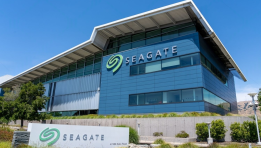
The semiconductor sector remains one of the most closely watched areas of the global technology market, and the latest

