





- Ronny Mor
- •
- 6 Min Read
- •
- 2 days ago
Key Points
- Oil prices posted modest gains after U.S. crude inventories declined by less than many market participants had anticipated.
- Investors continue weighing supply-demand fundamentals, OPEC+ production strategy, and global economic growth expectations.
- Future price direction will likely depend on inventory trends, geopolitical developments, and energy demand from major economies.
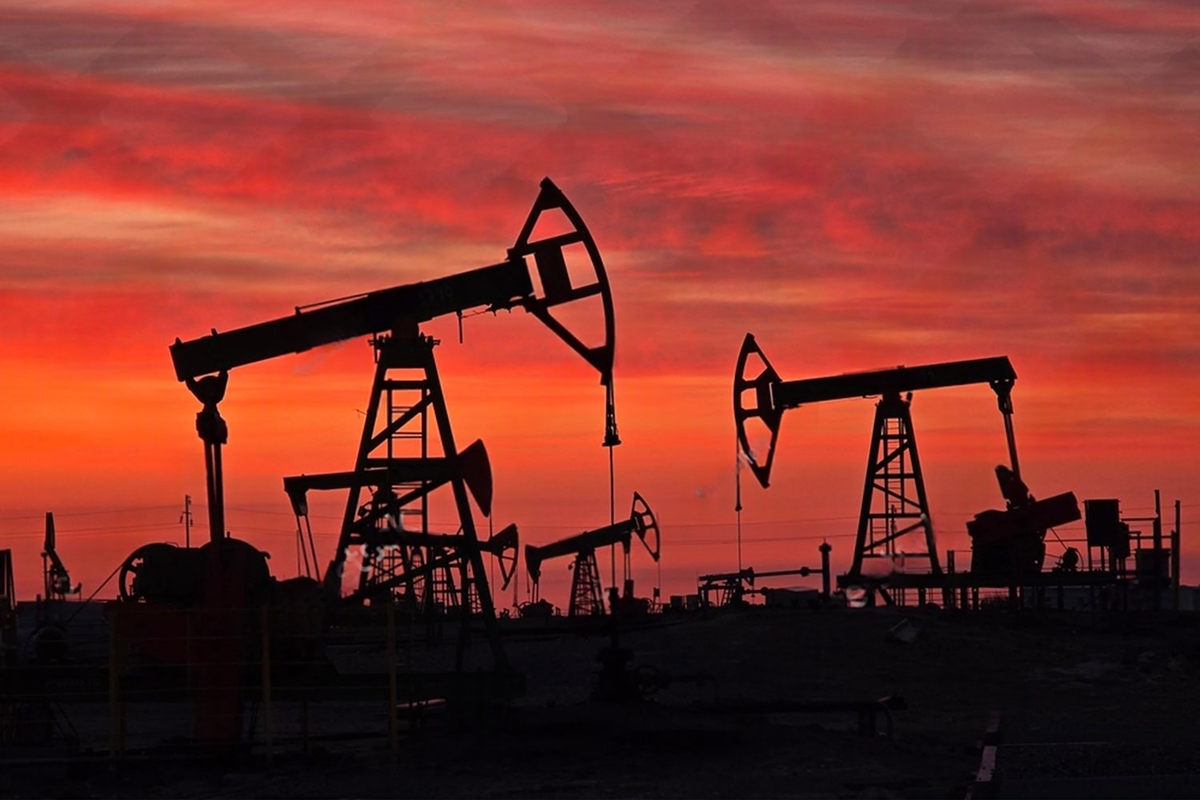
Oil prices edged higher following the latest U.S. inventory data, although the relatively small draw in crude stockpiles tempered bullish sentiment. The market remains focused on balancing signs of resilient energy demand against concerns over global economic growth, making inventory data one of the most closely watched indicators for commodity investors.
Smaller Inventory Draw Signals a Balanced Market
The latest U.S. petroleum inventory report showed a decline in crude oil stockpiles, but the reduction was smaller than some traders had expected. While falling inventories generally suggest stronger demand or tighter supply, a modest draw indicates that the market remains relatively balanced rather than experiencing a significant supply shortage.
Inventory data published each week continues to influence short-term oil price movements because it provides insight into refinery activity, domestic consumption, imports, and exports. A larger-than-expected draw often reinforces expectations of tightening supply, while a smaller decline can moderate expectations for sustained price appreciation.
Market participants are also evaluating gasoline and distillate inventories to better understand broader fuel demand trends. Seasonal consumption patterns, refinery maintenance schedules, and transportation activity remain important variables influencing overall energy market conditions.
OPEC+ Policy and Global Demand Remain Central Drivers
Although U.S. inventory figures play a significant role in daily trading, broader supply decisions by OPEC+ continue to shape the medium-term outlook for crude oil prices. The producer alliance has repeatedly adjusted production targets to maintain market stability while responding to changes in global demand.
At the same time, investors continue monitoring economic data from China, the United States, and Europe for signals regarding future energy consumption. Manufacturing activity, freight transportation, industrial production, and consumer spending all influence demand for crude oil and refined petroleum products.
If economic growth strengthens across major consuming nations, tighter supply conditions could emerge even without dramatic inventory declines. Conversely, slower economic activity could limit oil demand and offset production restraint efforts by major exporters.
Implications for Global Markets and Israeli Investors
Oil prices remain an important driver of inflation expectations, transportation costs, and corporate profitability across numerous industries. For investors in Israel, movements in crude prices can influence energy companies, industrial businesses, airlines, logistics providers, and broader market sentiment.
Higher energy prices may contribute to increased operating costs for businesses while also affecting central bank policy if inflationary pressures persist. Meanwhile, commodity-exporting economies and energy producers generally benefit from stronger crude prices, highlighting the broad impact of oil market developments across global financial markets.
Currency markets, government bond yields, and equity valuations also remain sensitive to sustained changes in energy prices, particularly during periods of heightened geopolitical uncertainty or changing monetary policy expectations.
Looking ahead, investors will continue monitoring weekly U.S. inventory reports, OPEC+ production decisions, global economic indicators, and geopolitical developments affecting energy supplies. Whether oil prices build on their recent gains will likely depend on the balance between improving global demand and the ability of producers to maintain disciplined supply, making upcoming economic data and inventory releases critical for determining the next direction of the crude oil market.
Comparison, examination, and analysis between investment houses
Leave your details, and an expert from our team will get back to you as soon as possible
* This article, in whole or in part, does not contain any promise of investment returns, nor does it constitute professional advice to make investments in any particular field.
To read more about the full disclaimer, click here
- Lior mor
- •
- 6 Min Read
- •
- ago 5 hours
SKN | Why Are Oil Prices Surging as Middle East Tensions Escalate?
Crude oil extended its rally on Friday, climbing above $81 per barrel and reaching its highest level in a month
- ago 5 hours
- •
- 6 Min Read

Crude oil extended its rally on Friday, climbing above $81 per barrel and reaching its highest level in a month
- Lior mor
- •
- 5 Min Read
- •
- ago 1 day
SKN | Why Are Oil Prices Holding Near One-Month Highs as U.S.-Iran Tensions Escalate?
Crude oil prices fluctuated around the $80 per barrel level on Thursday as intensifying military tensions between the United States
- ago 1 day
- •
- 5 Min Read

Crude oil prices fluctuated around the $80 per barrel level on Thursday as intensifying military tensions between the United States

- Ronny Mor
- •
- 5 Min Read
- •
- ago 2 days
SKN | Why Are Oil Prices Holding Near $80 Despite Pulling Back From Their Highs?
Crude oil prices retreated from their intraday highs on Wednesday but remained elevated as escalating military tensions in the Middle
- ago 2 days
- •
- 5 Min Read

Crude oil prices retreated from their intraday highs on Wednesday but remained elevated as escalating military tensions in the Middle
- Lior mor
- •
- 6 Min Read
- •
- ago 3 days
SKN | Could China, Not the Middle East, Drive the Next Global Oil Rally?
Global oil markets are entering a new phase in which demand dynamics may prove just as important as geopolitical risks.
- ago 3 days
- •
- 6 Min Read

Global oil markets are entering a new phase in which demand dynamics may prove just as important as geopolitical risks.


