


- omer bar
- •
- 7 Min Read
- •
- 37 minutes ago
Key Points
- Ford is launching a $30,000 midsize electric pickup built on a new cost-optimized EV platform.
- The Universal EV platform reduces parts by 20% and manufacturing steps by 40%, targeting profitability from launch.
- Battery strategy centers on lower-cost LFP chemistry produced in Michigan, though using licensed Chinese technology.
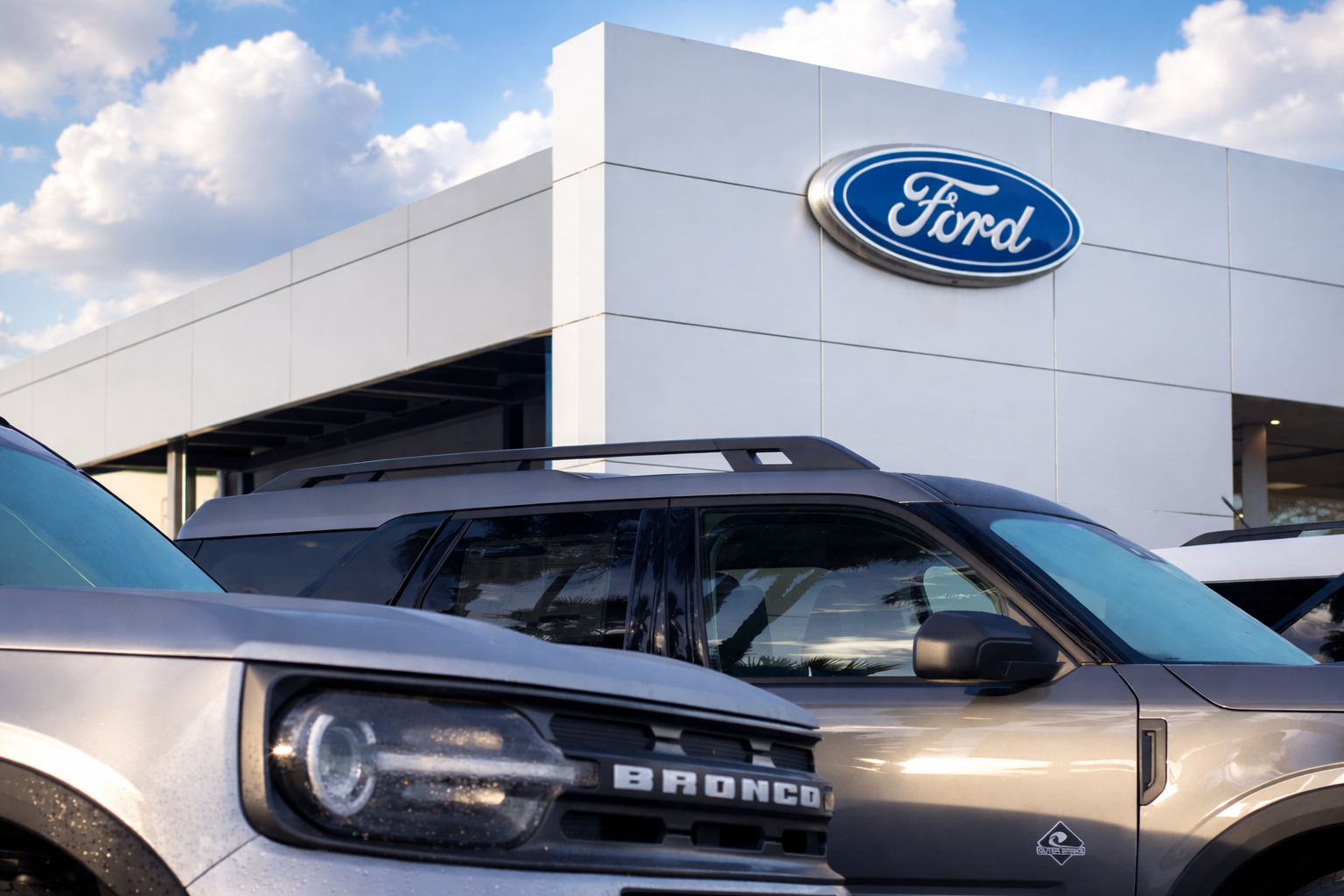
Ford is making a calculated comeback in the electric vehicle race, unveiling new details about a low-cost EV platform designed to support a midsize electric pickup priced at roughly $30,000. After absorbing nearly $19.5 billion in EV-related losses tied to earlier models such as the Mustang Mach-E and F-150 Lightning, the automaker is pivoting toward leaner engineering, simplified production, and profitability from launch. The strategy signals a broader industry shift as EV adoption in the United States stalls far below earlier expectations.
A Leaner Platform Built for Scale
At the core of Ford’s new strategy is its Universal EV platform, developed by a California-based “skunkworks” team led by former Tesla engineer Alan Clarke. The architecture reduces total parts by about 20% compared with a typical Ford vehicle, including 25% fewer fasteners. On the factory floor, the company has eliminated roughly 40% of process workstations, dramatically streamlining assembly.
This structural simplification is more than cost-cutting — it reflects a recognition that first-generation EV programs were built with legacy manufacturing mindsets. By redesigning the vehicle from the ground up, Ford aims to shrink capital intensity and improve margins. The first model, a midsize electric pickup, leverages Ford’s strong brand identity in trucks while targeting a price point largely absent in today’s EV landscape.
Battery Economics: The Decisive Lever
Battery cost remains the single most important variable in EV profitability. Ford estimates batteries account for more than 40% of total vehicle cost and approximately a quarter of total weight. To manage this, the company is adopting lithium iron phosphate (LFP) chemistry — a lower-cost, cobalt-free solution that trades some energy density for affordability and safety.
The batteries will be manufactured domestically at Ford’s BlueOval Battery Park in Michigan, though the technology is licensed from China’s CATL. That dynamic reflects a broader tension in U.S. industrial policy: securing domestic supply chains while navigating geopolitical dependencies.
Ford also claims aerodynamic efficiency improvements of more than 15% compared to existing pickups. Enhanced efficiency enables smaller battery packs, further reducing costs and improving range economics — a critical advantage in a price-sensitive segment.
Market Timing and Competitive Risk
The strategic pivot comes as U.S. EV penetration has plateaued around 6% to 8%, far below the 20% levels once forecasted by industry leaders. While models such as the Tesla Model 3 and Chevrolet Bolt have found demand, they have not driven mass adoption.
Ford is betting that affordability and familiarity will unlock broader appeal. The compact Maverick pickup has already proven that Americans are open to smaller trucks. However, translating that success into the EV category introduces new uncertainties. Pickup buyers often prioritize towing capacity and long-range performance — areas where EVs still face technical constraints.
At the same time, competitive pressure is intensifying, with both legacy automakers and startups pursuing sub-$35,000 electric offerings. The success of Ford’s new platform will depend not only on price, but on consumer trust and practical usability.
Looking ahead, investors will focus on official range figures, production timelines, and early order volumes. If successful, the platform could expand into SUVs and other segments, reshaping Ford’s EV trajectory. If demand remains muted, it could reinforce concerns that affordability alone is not enough to accelerate adoption.
Comparison, examination, and analysis between investment houses
Leave your details, and an expert from our team will get back to you as soon as possible
* This article, in whole or in part, does not contain any promise of investment returns, nor does it constitute professional advice to make investments in any particular field.
To read more about the full disclaimer, click here
- sagi habasov
- •
- 4 Min Read
- •
- ago 5 days
SKN | The “Grinch” Saved McDonald’s: Sales Surge Amid Cautious 2026 Outlook
Fast-food giant McDonald’s (MCD) reported its fourth-quarter results today (February 12, 2026), showcasing a successful turnaround after a challenging 2024.
- ago 5 days
- •
- 4 Min Read
Fast-food giant McDonald’s (MCD) reported its fourth-quarter results today (February 12, 2026), showcasing a successful turnaround after a challenging 2024.
- sagi habasov
- •
- 7 Min Read
- •
- ago 3 weeks
SKN | Is Apple Rewriting the iPhone Playbook by Putting Premium First in 2026?
Apple is preparing a notable shift in its iPhone release strategy for 2026, signaling a stronger tilt toward premium
- ago 3 weeks
- •
- 7 Min Read

Apple is preparing a notable shift in its iPhone release strategy for 2026, signaling a stronger tilt toward premium

- Ronny Mor
- •
- 6 Min Read
- •
- ago 4 weeks
SKN | Escalating Trade Tensions Between the US and Europe Rattle Risk Assets: Bitcoin Weakens as Gold and Silver Hit Record Highs
Global financial markets opened the week on a negative footing, against the backdrop of growing concerns over a potential escalation
- ago 4 weeks
- •
- 6 Min Read

Global financial markets opened the week on a negative footing, against the backdrop of growing concerns over a potential escalation
- sagi habasov
- •
- 6 Min Read
- •
- ago 1 month
SKN | While Silicon Valley Weeps, the Pentagon Buys: Defense Stocks Emerge as the Last Refuge in the Stagflationary Market of 2026
The sea of red across Wall Street screens today, responding to alarming inflation figures, masks one prominent island of green:
- ago 1 month
- •
- 6 Min Read

The sea of red across Wall Street screens today, responding to alarming inflation figures, masks one prominent island of green:

