


- orshu
- •
- 7 Min Read
- •
- 1 day ago
Key Points
- Ford and Geely are exploring a partnership to share European manufacturing capacity and reduce costs.
- The talks highlight how Western automakers are reassessing Chinese technology leadership in EVs and software.
- Political and regulatory risks, especially in the U.S., will be decisive in determining the scope of any deal.
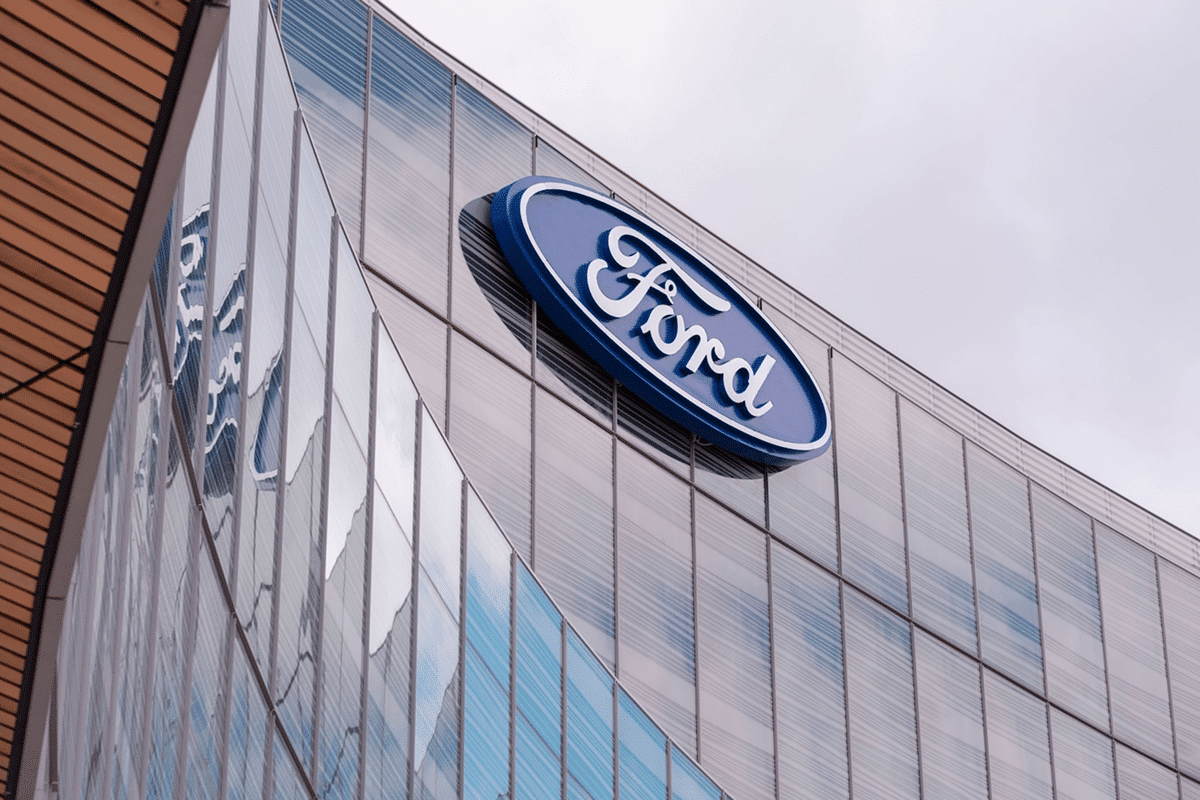
The global auto industry’s push to survive an era of electrification, automation, and geopolitical fragmentation is forcing unlikely conversations behind closed doors. Against that backdrop, Ford Motor Company and Geely are exploring a potential manufacturing and technology partnership that could reshape how Western and Chinese carmakers collaborate amid rising costs and political constraints.
Europe at the Center of the Talks
At the heart of the discussions is Europe, where sources say Geely could use Ford’s existing factory capacity to produce vehicles for regional markets. The talks are reportedly most advanced around manufacturing, with Ford’s Valencia plant in Spain emerging as a likely candidate. Such an arrangement would allow Geely to sidestep European Union tariffs of up to 37.6% on Chinese-made electric vehicles, a policy designed to protect local manufacturers from subsidized imports.
For Ford, underutilized European capacity has been a persistent challenge as demand patterns shift and competition intensifies. Sharing factory space offers a way to spread fixed costs while keeping plants viable in an increasingly unforgiving margin environment.
Technology Sharing in a High-Stakes Race
Beyond manufacturing, the discussions include potential collaboration on vehicle technologies, particularly automated driving and connected systems. This is where strategic urgency meets political sensitivity. Ford has openly acknowledged that Chinese automakers have moved faster in software-driven vehicles and EV platforms, areas that are now central to global competitiveness.
Ford CEO Jim Farley has previously described China’s lead in these technologies as “humbling,” underscoring how far traditional Western automakers must go to close the gap. A partnership with Geely could accelerate that learning curve, but it also raises questions about data security, intellectual property, and regulatory oversight.
Political Barriers and U.S. Scrutiny
Any extension of cooperation beyond Europe would likely face intense scrutiny in the United States. Chinese automakers remain effectively shut out of the U.S. market due to tariffs and national security restrictions targeting vehicle software and data collection. While President Donald Trump has signaled openness to Chinese firms building cars on U.S. soil if they bring jobs and investment, existing rules limiting Chinese technology in connected vehicles remain in force.
Ford has already faced criticism for licensing battery technology from China’s CATL, suggesting lawmakers would closely examine any deeper technology-sharing framework with Geely.
Partnerships as a Survival Strategy
The talks fit a broader industry pattern. Automakers are increasingly turning to partnerships to manage the spiraling costs of EV platforms, batteries, and software. Geely has used this strategy effectively, partnering with Renault in South Korea and Brazil, contributing to a rebound in Renault’s overseas sales. Similar arrangements are taking shape across Europe as Chinese brands look for local manufacturing footholds.
What Comes Next
Whether Ford and Geely ultimately strike a deal remains uncertain, but the direction of travel is clear. As electrification and automation compress margins and raise capital demands, collaboration is becoming less optional and more existential. Investors and policymakers will be watching closely to see if this potential alliance stays confined to Europe or becomes a test case for a new, more pragmatic phase in U.S.-China industrial relations.
Comparison, examination, and analysis between investment houses
Leave your details, and an expert from our team will get back to you as soon as possible
* This article, in whole or in part, does not contain any promise of investment returns, nor does it constitute professional advice to make investments in any particular field.
To read more about the full disclaimer, click here
- Lior mor
- •
- 7 Min Read
- •
- ago 6 hours
SKN | Wall Street Futures Rebound After Tech-Led Sell-Off — Is Market Sentiment Stabilizing?
US equity futures edged higher after a sharp tech-driven sell-off on Wall Street, signaling tentative stabilization in market sentiment following
- ago 6 hours
- •
- 7 Min Read

US equity futures edged higher after a sharp tech-driven sell-off on Wall Street, signaling tentative stabilization in market sentiment following

- Arik Arkadi Sluzki
- •
- 6 Min Read
- •
- ago 9 hours
SKN | Ford Explores China Partnership in Europe: Strategic Pivot or Calculated Risk?
Ford Motor is reported to be in early-stage talks with a Chinese automaker over a possible partnership in Europe,
- ago 9 hours
- •
- 6 Min Read
Ford Motor is reported to be in early-stage talks with a Chinese automaker over a possible partnership in Europe,

- sagi habasov
- •
- 5 Min Read
- •
- ago 1 day
SKN | 3M Declares $0.78 Quarterly Dividend, Extending Century-Long Payout Streak
3M Company announced on Tuesday that its board of directors has declared a quarterly dividend of $0.78 per share for
- ago 1 day
- •
- 5 Min Read
3M Company announced on Tuesday that its board of directors has declared a quarterly dividend of $0.78 per share for
- Arik Arkadi Sluzki
- •
- 6 Min Read
- •
- ago 1 day
SKN | Walmart Joins the $1 Trillion Club as Technology and Value-Seeking Consumers Drive Momentum
Walmart’s entry into the $1 trillion market capitalization club marks a notable milestone not just for the company, but
- ago 1 day
- •
- 6 Min Read

Walmart’s entry into the $1 trillion market capitalization club marks a notable milestone not just for the company, but

