


- omer bar
- •
- 7 Min Read
- •
- 4 hours ago
Key Points
- Russian oil flows to Hungary and Slovakia were halted after pipeline infrastructure in Ukraine was damaged.
- Alternative shipments through Croatia expose that Russian crude may not be the only viable supply route.
- The disruption is intensifying political tensions across Europe while reshaping energy security strategies.
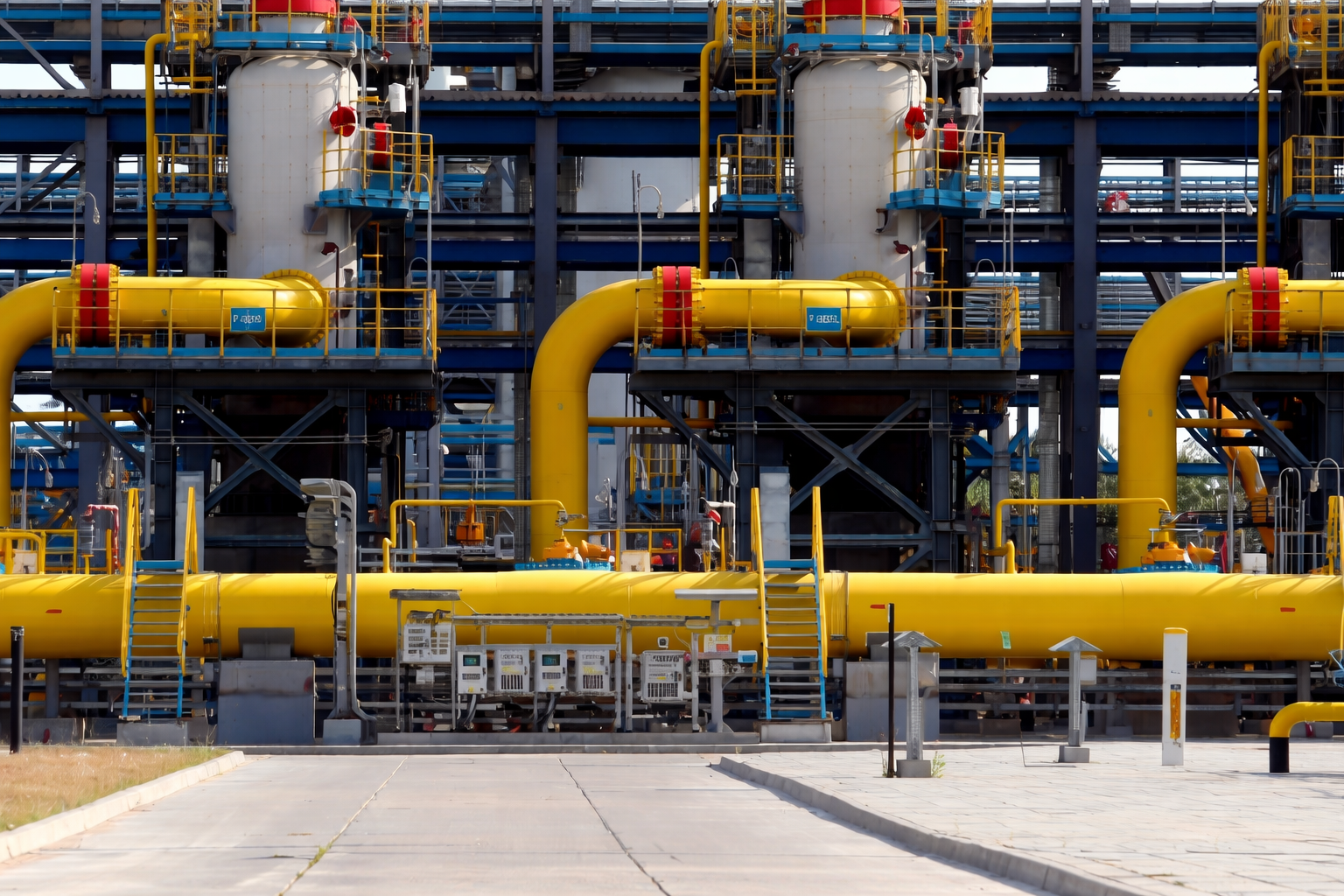
A sudden shutdown of Russian oil flows through a key pipeline in Ukraine is reshaping Europe’s energy and political landscape, exposing vulnerabilities for two of Moscow’s last remaining allies within the European Union. Hungary and Slovakia, which have long relied on Russian crude delivered through the Druzhba pipeline network, are now scrambling to secure alternative supplies after infrastructure damage halted shipments. The disruption has sparked renewed debate about Europe’s dependence on Russian energy and strengthened Brussels’ broader strategy to isolate Moscow economically.
Pipeline Damage Forces Energy Reality Check
The immediate trigger for the crisis was damage to the pipeline network running through Ukraine, which halted Russian oil flows toward Central Europe on January 27. The interruption forced Hungary and Slovakia to tap emergency reserves while seeking alternative supply routes that they had previously argued were impractical or too costly.
For years, both governments maintained that pipeline deliveries of Russian Urals crude were the only economically viable option. However, tankers delivering oil to Croatia’s Adriatic coast now present a potential workaround. While the alternative route is more expensive, the shift undermines claims that Russian oil was irreplaceable and highlights new logistical flexibility within Europe’s energy network.
At current market prices, replacing Russian crude with alternative supplies could cost roughly 60% more, pushing the estimated value of new shipments toward $650 million. Yet the rising cost may be viewed as an acceptable trade-off for reducing geopolitical exposure to Moscow.
Political Leverage and European Divisions
Energy dependence has long been a powerful political tool in Central Europe, particularly for Hungarian Prime Minister Viktor Orbán and Slovak Prime Minister Robert Fico. Both leaders have used their countries’ reliance on Russian energy to challenge European Union policy toward Ukraine, including blocking key financial support packages.
The pipeline disruption now adds a new layer of pressure to an already tense political landscape. Orbán has warned that Hungary could retaliate by blocking important transit routes for Ukraine if oil flows are not restored. Meanwhile, Ukrainian President Volodymyr Zelensky has shown little interest in rapidly repairing infrastructure that benefits Russia while the war continues.
The standoff reflects the broader geopolitical conflict surrounding energy supply chains. While Brussels has urged Ukraine to restore the flow temporarily to avoid further disruption in EU markets, the long-term objective remains reducing Europe’s reliance on Russian energy exports.
Croatia Emerges as Strategic Energy Gateway
Amid the crisis, Croatia’s Adriatic Pipeline, operated by Janaf, has emerged as a potential strategic alternative for supplying crude oil to Hungary and Slovakia. Croatian officials have emphasized that the infrastructure is capable of handling significantly larger volumes than previously utilized.
If adopted more broadly, the route could fundamentally reshape energy logistics across Central Europe. For years, Hungary and Slovakia viewed the Adriatic route as a backup supply channel rather than a primary energy corridor. However, current disruptions may accelerate plans to diversify energy imports away from Russia.
Looking ahead, the situation is unlikely to resolve quickly. Even if political leadership changes in Hungary following upcoming elections, energy diversification will likely remain gradual. Central European governments must now balance economic realities, domestic politics, and geopolitical alliances as they navigate a shifting global energy landscape.
Comparison, examination, and analysis between investment houses
Leave your details, and an expert from our team will get back to you as soon as possible
* This article, in whole or in part, does not contain any promise of investment returns, nor does it constitute professional advice to make investments in any particular field.
To read more about the full disclaimer, click here
- sagi habasov
- •
- 6 Min Read
- •
- ago 40 seconds
SKN | Which Chinese Stocks Could Benefit From the Oil Price Surge? Energy Rally Creates New Market Opportunities
The sharp surge in global oil prices is beginning to reshape investment opportunities across international markets, with analysts highlighting a
- ago 40 seconds
- •
- 6 Min Read

The sharp surge in global oil prices is beginning to reshape investment opportunities across international markets, with analysts highlighting a
- sagi habasov
- •
- 7 Min Read
- •
- ago 2 days
SKN | U.S. Crude Surges Nearly 10% as Global Buyers Rush for Barrels, Narrowing the Gap With Brent
Prices for U.S. crude oil surged nearly 10% in recent trading, rapidly closing the price gap with Brent crude,
- ago 2 days
- •
- 7 Min Read
Prices for U.S. crude oil surged nearly 10% in recent trading, rapidly closing the price gap with Brent crude,

- Ronny Mor
- •
- 6 Min Read
- •
- ago 7 days
SKN | Will Oil Surge Past $100 as Strikes on Iran Threaten the Strait of Hormuz?
Oil markets are bracing for volatility as U.S. and Israeli strikes on Iran raise the specter of supply disruptions across
- ago 7 days
- •
- 6 Min Read

Oil markets are bracing for volatility as U.S. and Israeli strikes on Iran raise the specter of supply disruptions across
- sagi habasov
- •
- 5 Min Read
- •
- ago 1 week
SKN | Oil Nears 7-Month High as Iran Talks Drag On and OPEC+ Decision Looms
WTI crude oil futures climbed toward $67 per barrel on Friday, hovering near a seven-month high as extended US-Iran nuclear
- ago 1 week
- •
- 5 Min Read
WTI crude oil futures climbed toward $67 per barrel on Friday, hovering near a seven-month high as extended US-Iran nuclear

