


- Ronny Mor
- •
- 6 Min Read
- •
- 32 minutes ago
Key Points
- Europe’s push for tech sovereignty faces structural limits due to U.S. cloud dominance.
- Capgemini advocates a balanced approach combining regulatory control with global partnerships.
- The evolving strategy will shape Europe’s competitiveness in artificial intelligence and digital infrastructure.
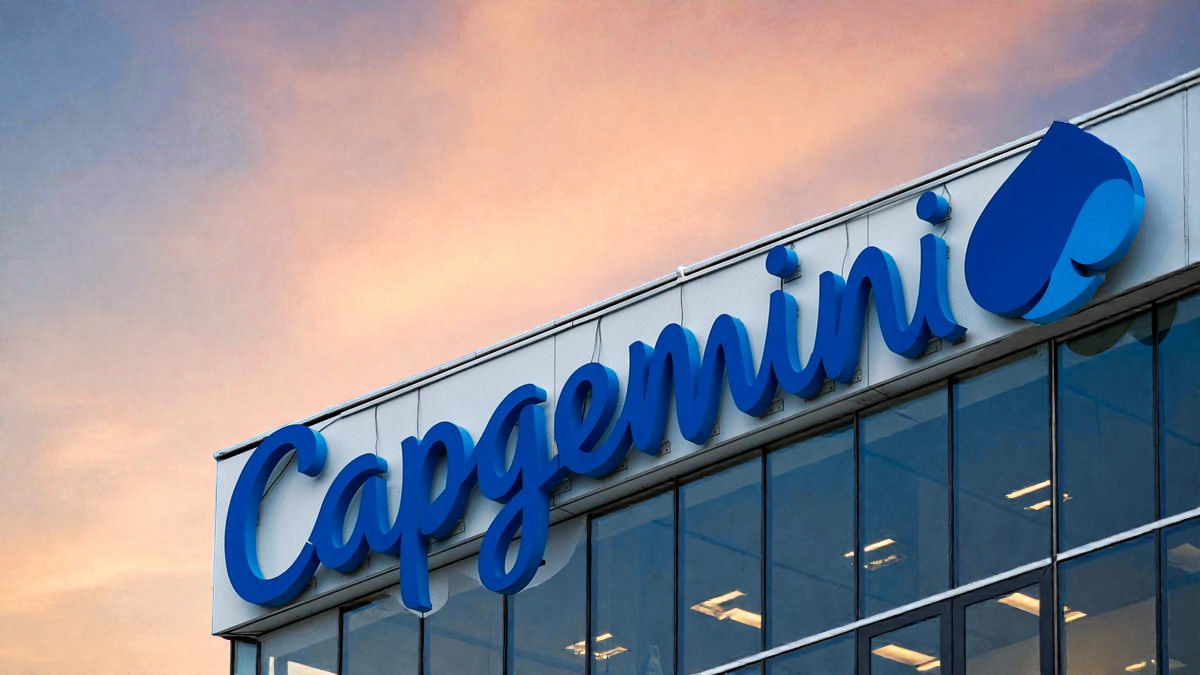
As geopolitical friction reshapes global alliances, calls for full European technological sovereignty are growing louder. Yet Capgemini CEO Aiman Ezzat has publicly dismissed the feasibility of complete autonomy, arguing that no region controls the entire technology value chain required to operate independently. His remarks come at a time when European policymakers are reexamining dependence on U.S. hyperscalers such as Amazon Web Services, Google Cloud, and Microsoft amid shifting transatlantic dynamics.
The debate is not merely political—it has economic and strategic implications for governments, enterprises and investors navigating the rapidly expanding artificial intelligence ecosystem.
The Four Layers of Digital Sovereignty
Ezzat framed digital autonomy through a four-layer model: data, operations, regulation and technology. According to him, Europe already maintains independence across the first three dimensions. The European Union’s regulatory architecture, including strict data governance frameworks and digital market oversight, provides a level of control that many regions lack.
The challenge lies at the technological infrastructure layer. U.S.-based cloud providers dominate global hyperscale infrastructure, creating an ecosystem in which European enterprises depend on American platforms to deploy AI and cloud-based services. Attempting to replicate that infrastructure domestically would require enormous capital expenditures, long development cycles, and potential competitive disadvantages.
“There is no such thing as absolute sovereignty,” Ezzat emphasized, reflecting a pragmatic stance that aligns with discussions taking place within the European Commission and industry forums such as Davos.
Balancing Sovereignty and Competitiveness
The tension facing European policymakers is how to foster autonomy without undermining competitiveness in AI and digital transformation. Artificial intelligence development demands scale, computational power, and integration into global ecosystems—areas where U.S. firms currently lead.
Capgemini’s strategy illustrates this balancing act. The company has signed partnerships with AWS, Google Cloud and Microsoft to deliver so-called “sovereign AI” solutions—cloud services operated by a European entity while leveraging American infrastructure. This hybrid approach seeks to reconcile compliance and data localization requirements with access to cutting-edge technology.
At the same time, partnerships with European AI players such as France’s Mistral highlight efforts to build regional capabilities gradually rather than pursue abrupt decoupling.
From an economic perspective, complete technological isolation could slow innovation and increase costs for European enterprises. Conversely, insufficient autonomy may leave critical sectors exposed to geopolitical risk.
Strategic and Reputational Pressures
Capgemini itself is navigating reputational considerations. The firm recently announced plans to divest its U.S. government subsidiary following public backlash over a $4.8 million contract with U.S. Immigration and Customs Enforcement. The episode reflects how political sensitivities increasingly intersect with technology services firms operating across borders.
For investors, the sovereignty debate carries broader implications. Digital infrastructure is becoming a strategic asset akin to energy security. However, markets typically reward integration and scale rather than fragmentation. Companies positioned as bridges—rather than isolationists—may capture value in a multipolar tech landscape.
Looking ahead, Europe’s path is likely to favor calibrated sovereignty: targeted autonomy in critical sectors combined with continued participation in global supply chains. The coming years will test whether that middle ground can preserve both resilience and innovation momentum in the AI race.
Comparison, examination, and analysis between investment houses
Leave your details, and an expert from our team will get back to you as soon as possible
* This article, in whole or in part, does not contain any promise of investment returns, nor does it constitute professional advice to make investments in any particular field.
To read more about the full disclaimer, click here
- sagi habasov
- •
- 7 Min Read
- •
- ago 23 seconds
SKN | How Trump’s Corporate Tax Break Is Supercharging Big Tech’s AI Spending Boom
President Donald Trump’s latest corporate tax overhaul is already reshaping the financial landscape for America’s largest technology companies. Google, Meta,
- ago 23 seconds
- •
- 7 Min Read

President Donald Trump’s latest corporate tax overhaul is already reshaping the financial landscape for America’s largest technology companies. Google, Meta,

- omer bar
- •
- 6 Min Read
- •
- ago 10 hours
SKN | Amazon’s Ring Ends Flock Partnership Following Super Bowl Ad Backlash
Amazon’s Ring has announced the termination of its partnership with Flock, a neighborhood security platform, following widespread criticism of a
- ago 10 hours
- •
- 6 Min Read

Amazon’s Ring has announced the termination of its partnership with Flock, a neighborhood security platform, following widespread criticism of a

- Ronny Mor
- •
- 7 Min Read
- •
- ago 11 hours
SKN | Artificial Intelligence Expands Across Industries – Is the Acceleration Just Beginning?
Artificial intelligence is no longer confined to Silicon Valley or experimental research labs. As of early 2026, AI deployment is
- ago 11 hours
- •
- 7 Min Read

Artificial intelligence is no longer confined to Silicon Valley or experimental research labs. As of early 2026, AI deployment is

- Lior mor
- •
- 6 Min Read
- •
- ago 15 hours
SKN | Cisco’s Outlook Under Pressure as Memory Price Surge Squeezes Margins
Cisco Systems is facing renewed margin pressure after a sharp increase in memory prices complicated its near-term outlook. The
- ago 15 hours
- •
- 6 Min Read
Cisco Systems is facing renewed margin pressure after a sharp increase in memory prices complicated its near-term outlook. The

