


- Lior mor
- •
- 7 Min Read
- •
- 34 minutes ago
Key Points
- Anthropic’s board expansion reflects growing political awareness in the AI sector.
- Chris Liddell’s background could strengthen ties with the Trump administration.
- Governance and regulatory positioning are emerging as core strategic assets in the AI race.
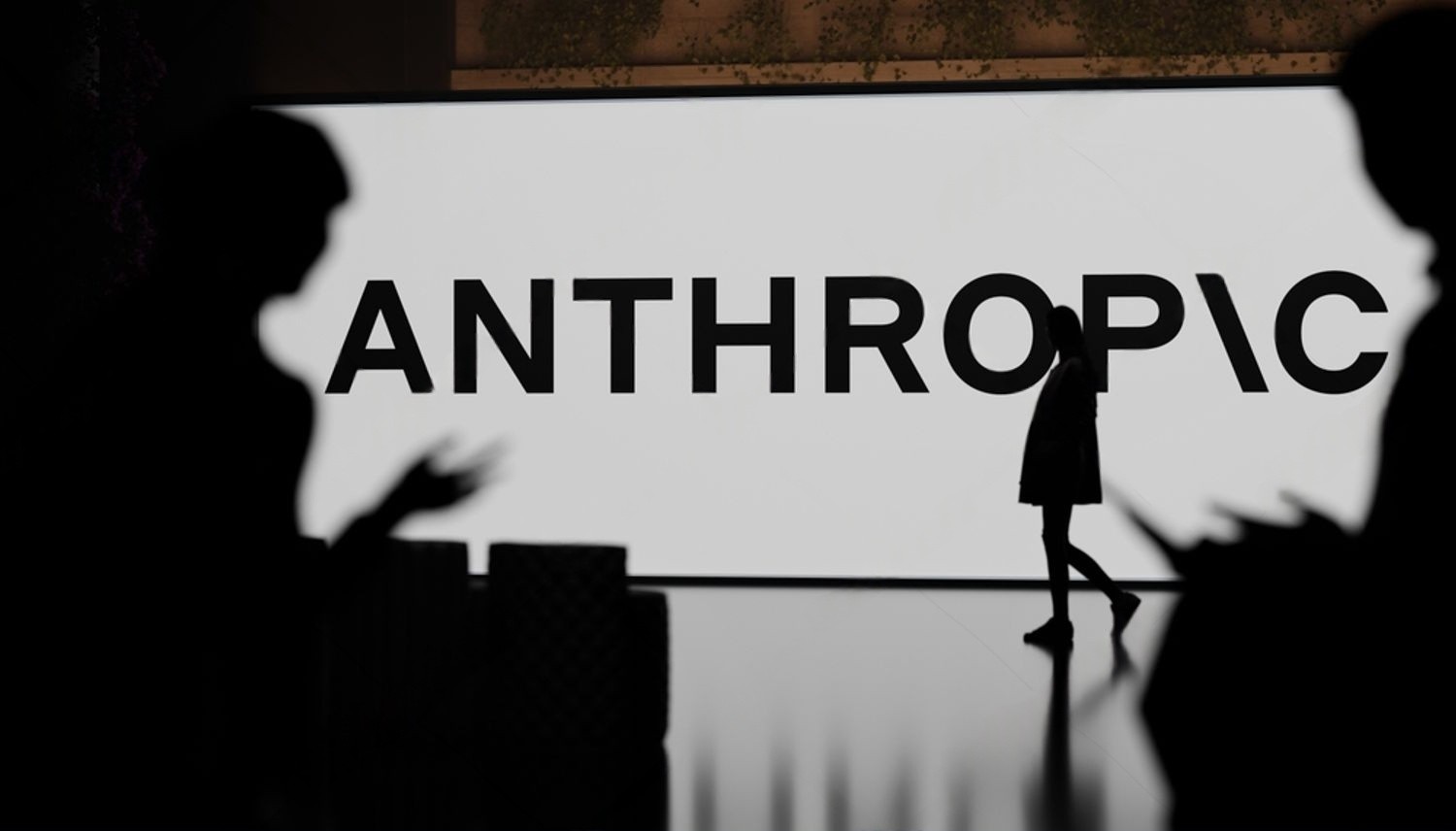
Anthropic has added veteran executive and political figure Chris Liddell to its board of directors, a move that appears as strategic as it is symbolic. As artificial intelligence regulation becomes a defining policy battleground in Washington, the AI startup is reinforcing its governance bench with a figure who bridges corporate leadership and high-level political experience. The appointment comes at a time when the Trump administration has sharpened its rhetoric toward certain AI firms, and as Anthropic scales rapidly following a landmark funding round.
Governance as a Competitive Advantage
Liddell brings a rare combination of financial and political credentials. He previously served as chief financial officer of Microsoft, vice chairman of General Motors, and deputy White House chief of staff during President Donald Trump’s first term. He has also participated in three presidential transition cycles, positioning him as a seasoned operator within both corporate and governmental systems.
For Anthropic, whose brand has centered on “responsible AI” and structured governance, the addition aligns with its broader narrative. Liddell emphasized that the governance of transformative technologies is as important as the technologies themselves — a message that echoes Anthropic’s positioning in contrast to rivals focused primarily on scale and deployment speed.
Board composition increasingly signals institutional maturity in high-valuation AI firms. With CEO Dario Amodei, President Daniela Amodei, and Netflix Chairman Reed Hastings already on the board, Liddell becomes the sixth member, reinforcing a governance structure that includes oversight from its Long-Term Benefit Trust.
Regulatory Optics and Political Capital
The appointment also carries political implications. Anthropic has faced criticism from figures within the Trump administration, including AI and crypto advisor David Sacks, who previously accused the company of promoting “woke AI” due to its regulatory positions. By bringing in a respected Republican-aligned figure, Anthropic may be seeking to broaden bipartisan credibility.
The company recently pledged $20 million to Public First Action, an organization backing pro-AI regulation candidates, including Republican senators Marsha Blackburn and Pete Ricketts. This follows Trump’s executive order aimed at establishing a unified federal AI regulatory framework and challenging state-level AI laws.
In an environment where AI policy may shape capital allocation, procurement access, and regulatory risk, political alignment is becoming a strategic variable. Firms operating at Anthropic’s scale — now valued at $380 billion post-money following a $30 billion funding round — cannot ignore the interplay between innovation and policy.
Capital, Scale, and Strategic Positioning
Anthropic, founded in 2021 by former OpenAI executives, is best known for its Claude family of AI models. Its latest funding round positions it among the most valuable private technology firms globally. As competitive dynamics intensify among OpenAI, Google, and other AI leaders, governance credibility and regulatory navigation may become differentiators alongside model performance.
Liddell’s appointment suggests Anthropic is proactively managing political risk as it scales. For investors, the move signals awareness that AI’s next phase will not be shaped solely by technological capability, but by regulatory structure and public trust.
Looking ahead, the company’s ability to maintain bipartisan goodwill while accelerating AI deployment could influence both its valuation trajectory and its competitive positioning. As Washington debates the architecture of AI oversight, firms that align governance with innovation may find themselves better insulated from policy shocks.
Comparison, examination, and analysis between investment houses
Leave your details, and an expert from our team will get back to you as soon as possible
* This article, in whole or in part, does not contain any promise of investment returns, nor does it constitute professional advice to make investments in any particular field.
To read more about the full disclaimer, click here
- sagi habasov
- •
- 7 Min Read
- •
- ago 6 hours
SKN | How Trump’s Corporate Tax Break Is Supercharging Big Tech’s AI Spending Boom
President Donald Trump’s latest corporate tax overhaul is already reshaping the financial landscape for America’s largest technology companies. Google, Meta,
- ago 6 hours
- •
- 7 Min Read
President Donald Trump’s latest corporate tax overhaul is already reshaping the financial landscape for America’s largest technology companies. Google, Meta,

- Ronny Mor
- •
- 6 Min Read
- •
- ago 7 hours
SKN | Can Europe Achieve Full Tech Sovereignty? Capgemini CEO Pushes Back on Calls for Total Autonomy
As geopolitical friction reshapes global alliances, calls for full European technological sovereignty are growing louder. Yet Capgemini CEO Aiman Ezzat
- ago 7 hours
- •
- 6 Min Read

As geopolitical friction reshapes global alliances, calls for full European technological sovereignty are growing louder. Yet Capgemini CEO Aiman Ezzat

- omer bar
- •
- 6 Min Read
- •
- ago 16 hours
SKN | Amazon’s Ring Ends Flock Partnership Following Super Bowl Ad Backlash
Amazon’s Ring has announced the termination of its partnership with Flock, a neighborhood security platform, following widespread criticism of a
- ago 16 hours
- •
- 6 Min Read

Amazon’s Ring has announced the termination of its partnership with Flock, a neighborhood security platform, following widespread criticism of a
- Ronny Mor
- •
- 7 Min Read
- •
- ago 17 hours
SKN | Artificial Intelligence Expands Across Industries – Is the Acceleration Just Beginning?
Artificial intelligence is no longer confined to Silicon Valley or experimental research labs. As of early 2026, AI deployment is
- ago 17 hours
- •
- 7 Min Read

Artificial intelligence is no longer confined to Silicon Valley or experimental research labs. As of early 2026, AI deployment is

