





- Ronny Mor
- •
- 7 Min Read
- •
- 59 minutes ago
Key Points
- Boeing confirmed that an IT outage impacted multiple computer systems and internal applications across operations.
- The disruption highlights ongoing vulnerability in complex aerospace digital infrastructure and production workflows.
- Investors are monitoring potential operational delays, supply chain effects, and execution risks in aircraft delivery schedules.
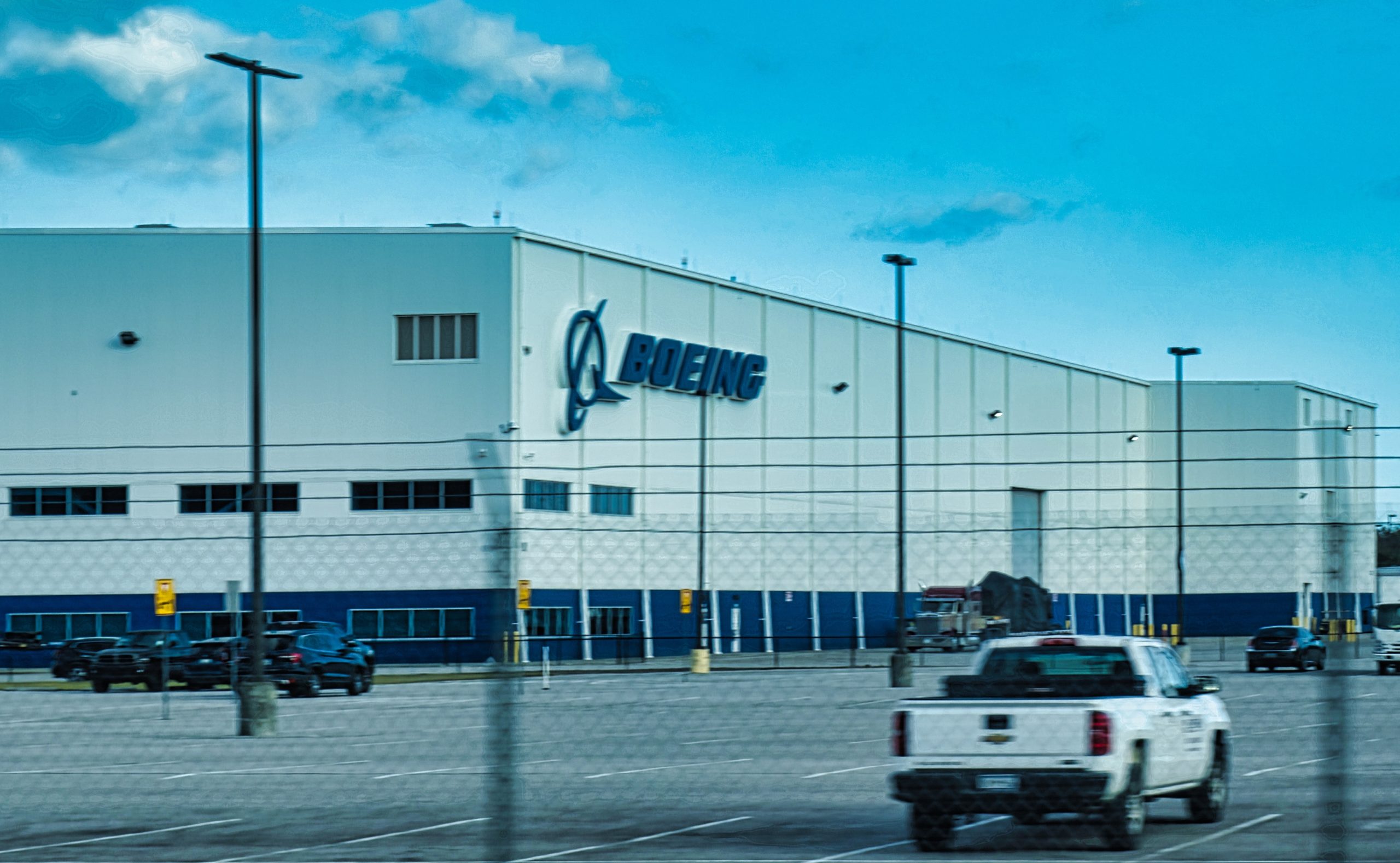
Boeing (NYSE: BA) has confirmed that a recent IT outage affected several of its computer systems and internal applications, temporarily disrupting parts of its operational infrastructure. The incident adds another layer of scrutiny to the aerospace giant at a time when global aviation demand is recovering and supply chain execution remains a central focus for investors. For global markets, including institutional investors in Israel, the development underscores the growing importance of digital resilience in large-scale industrial manufacturing systems.
Operational Disruption and System Impact
According to the company, the IT outage affected a range of internal systems and applications used across its business operations. While Boeing did not immediately disclose the full scope or duration of the disruption, such systems typically support engineering workflows, production scheduling, logistics coordination, and enterprise communications.
In large aerospace manufacturers, even temporary IT disruptions can create cascading effects across production lines and supplier coordination networks. Aircraft manufacturing relies on tightly synchronized processes involving thousands of components sourced globally, meaning system interruptions can slow decision-making and delay operational workflows.
Although Boeing has not indicated any immediate long-term damage, the incident highlights the operational sensitivity of highly digitized manufacturing ecosystems.
Supply Chain Complexity and Aviation Production Risks
The aerospace sector is characterized by deeply interconnected global supply chains, where manufacturers depend on tier-one and tier-two suppliers across multiple continents. Boeing, as one of the world’s largest aircraft producers, operates within a system that requires continuous coordination between engineering, procurement, and assembly operations.
IT infrastructure plays a critical role in ensuring that design specifications, compliance data, and production schedules are accurately aligned. Any disruption, even if temporary, can introduce inefficiencies or require manual workarounds that slow production timelines.
For investors, this raises attention on delivery schedules for key aircraft programs, particularly as Boeing continues to navigate production ramp-up efforts following prior supply chain constraints and quality-control challenges in the broader aviation sector.
Broader Market Context and Investor Sensitivity
The aerospace and defense industry remains closely watched by equity markets due to its capital intensity, long production cycles, and sensitivity to operational execution. Boeing, in particular, is often evaluated not only on financial performance but also on its ability to maintain production stability and meet delivery targets.
In recent years, investors have placed increased emphasis on operational risk factors, including cybersecurity, IT system reliability, and supply chain resilience. As industrial companies become more digitally integrated, system disruptions carry greater financial and reputational implications.
At the same time, global aircraft demand continues to recover, supported by strong airline travel trends and fleet modernization programs. This demand backdrop places additional importance on Boeing’s ability to maintain uninterrupted production and delivery performance.
Outlook: Execution Stability and Operational Resilience in Focus
Looking ahead, market attention is likely to focus on whether the IT disruption has any measurable impact on Boeing’s production schedules, delivery timelines, or supplier coordination efficiency. Key indicators include aircraft delivery numbers, production rate stability, and updates on system restoration and digital infrastructure resilience.
Risks include further operational disruptions, potential delays in aircraft deliveries, and broader vulnerabilities in complex IT-dependent manufacturing environments. On the opportunity side, continued global aviation demand and fleet expansion cycles could support long-term revenue visibility if operational execution remains stable.
For investors in Israel and globally, Boeing represents a critical benchmark in the aerospace sector, where operational reliability, digital infrastructure resilience, and supply chain execution are increasingly central to valuation and long-term performance expectations.
Comparison, examination, and analysis between investment houses
Leave your details, and an expert from our team will get back to you as soon as possible
* This article, in whole or in part, does not contain any promise of investment returns, nor does it constitute professional advice to make investments in any particular field.
To read more about the full disclaimer, click here
- omer bar
- •
- 7 Min Read
- •
- ago 37 minutes
SKN | What’s Driving IPG Photonics Higher as Laser Technology Demand Regains Momentum?
IPG Photonics Corporation (NASDAQ: IPGP) is trading higher as investor sentiment improves across the industrial laser and advanced photonics sector.
- ago 37 minutes
- •
- 7 Min Read

IPG Photonics Corporation (NASDAQ: IPGP) is trading higher as investor sentiment improves across the industrial laser and advanced photonics sector.

- Ronny Mor
- •
- 7 Min Read
- •
- ago 2 hours
SKN | Why Microsoft’s Latest Workforce Reduction Signals Strategic Recalibration in a Cost-Conscious Tech Cycle
Microsoft Corporation (NASDAQ: MSFT) is reportedly planning to cut under 2.5% of its global workforce, according to a Business Insider
- ago 2 hours
- •
- 7 Min Read

Microsoft Corporation (NASDAQ: MSFT) is reportedly planning to cut under 2.5% of its global workforce, according to a Business Insider

- Lior mor
- •
- 6 Min Read
- •
- ago 2 hours
SKN | Is Sweetgreen’s Stock Rally Getting Ahead of Fundamentals?
Sweetgreen (NYSE: SG) has attracted renewed investor attention as enthusiasm for growth-oriented consumer companies returns to equity markets. While the
- ago 2 hours
- •
- 6 Min Read

Sweetgreen (NYSE: SG) has attracted renewed investor attention as enthusiasm for growth-oriented consumer companies returns to equity markets. While the
- omer bar
- •
- 7 Min Read
- •
- ago 5 hours
SKN | Broadcom Pulls Back From Record Highs as Analysts Continue to See Long-Term AI Strength
Broadcom Inc. has experienced a notable correction after one of the strongest rallies among semiconductor companies, with its shares
- ago 5 hours
- •
- 7 Min Read

Broadcom Inc. has experienced a notable correction after one of the strongest rallies among semiconductor companies, with its shares


